The head of Iran’s judiciary has announced intentions for expedited trials and potential executions of individuals detained during recent nationwide protests, disregarding a warning issued by U.S. President Donald Trump. On March 15, 2024, Gholamhossein Mohseni-Ejei, Iran’s judiciary chief, made this declaration in a video shared by Iranian state television.
During his address, Mohseni-Ejei emphasized the need for swift legal proceedings. He stated, “If they are found guilty, they will face the consequences swiftly.” His remarks reflect a determination within the Iranian government to address what it perceives as a significant challenge to its authority.
Context of the Protests
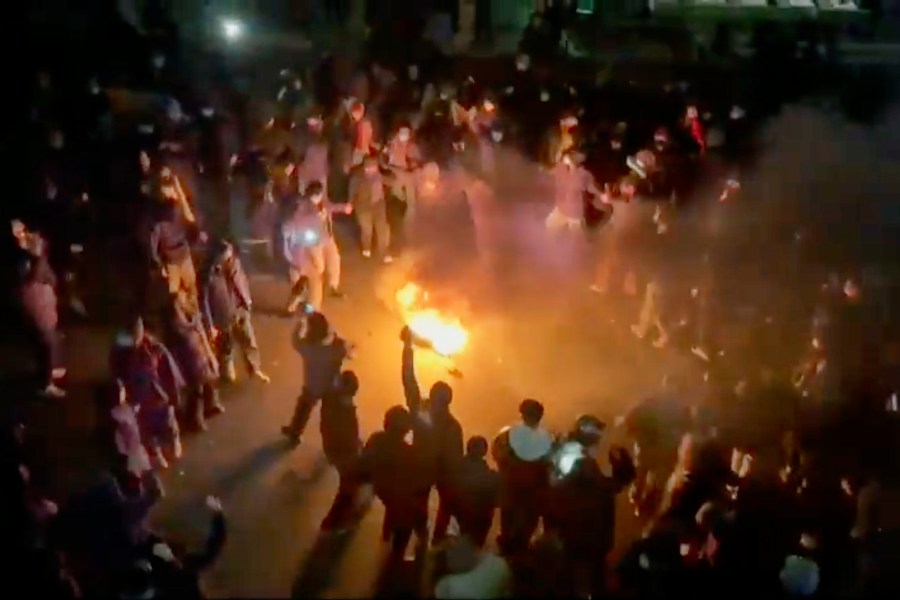
These protests began in late 2023, ignited by public outrage over various social and economic grievances. Demonstrators have called for greater freedoms and reforms, challenging the existing political structures. The Iranian government has responded with a heavy-handed approach, leading to widespread arrests and crackdowns on dissent.
The judiciary’s latest stance raises concerns among human rights organizations, which warn that such actions could lead to violations of due process and fair trial standards. Activists have reported that many detainees have faced harsh treatment and limited access to legal representation.
International Reactions and Implications
The announcement has drawn international scrutiny, particularly from Western governments. President Trump’s warning underscored the potential repercussions of these judicial actions. He stated that swift executions would be met with significant consequences from the international community. This statement aligns with broader concerns regarding human rights practices in Iran.
As the situation develops, the response from both domestic and international actors will be crucial. Observers are watching closely to see how Iran balances its internal security measures with growing external pressure for reform and adherence to human rights norms.
Authorities within Iran maintain that they are acting in accordance with national laws and security needs, yet the rapid pace of trials could escalate tensions further. The implications of these decisions extend beyond Iran’s borders, shaping perceptions of the nation’s commitment to justice and human rights in a global context.
The current situation remains fluid, with potential for further developments as protests continue and the government responds to ongoing dissent.