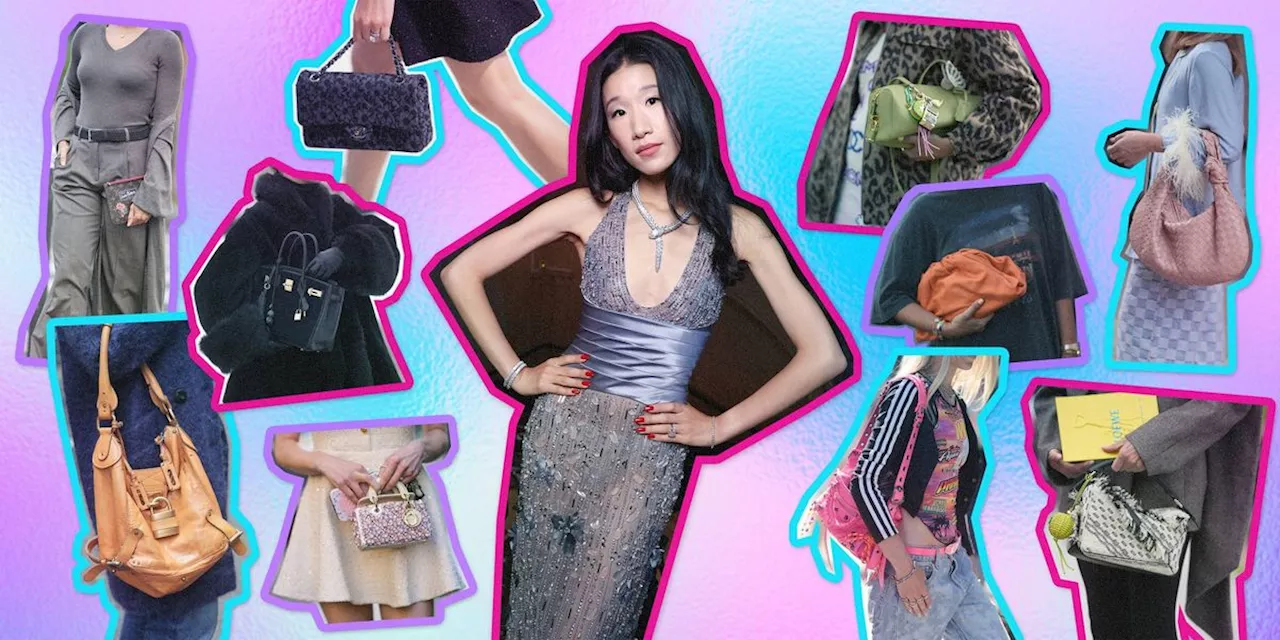
The rise of luxury consumption on TikTok, particularly within the #RichTok community, has come under intense scrutiny. Influencers like Becca Bloom, who have amassed millions of followers showcasing extravagant lifestyles, are facing criticism for their portrayal of wealth amid growing economic inequality. As concerns about income disparity and consumerism escalate, the platform’s users are beginning to question the implications of such ostentatious displays of affluence.
Bloom, often referred to as the queen of #RichTok, has garnered attention for her lavish lifestyle, which includes sharing videos of her cat’s breakfast served on Christofle dinnerware. Such content has not gone unnoticed, as many observers express discontent over what they perceive as a disconnect between her wealth and the struggles faced by ordinary citizens. This backlash highlights an increasing awareness of social responsibility among consumers who feel alienated by the glorification of excessive consumption.
The concept of “conspicuous consumption,” introduced by sociologist Thorstein Veblen, describes how the wealthy display their wealth to assert social status. This notion has become increasingly relevant in the digital age, where platforms like TikTok amplify messages of wealth and luxury. For many, the pursuit of status through consumption can lead to feelings of inadequacy and financial strain. As such, the desire to emulate influencers like Bloom can create a cycle of status anxiety and increased spending that ultimately benefits those at the top.
Amid this backdrop, TikTok users have noted a shift in the platform’s fashion trends. In 2022, certain luxury items, such as the Hermès Birkin bag and the Van Cleef & Arpel Alhambra collection, became symbols of aspiration. The popularity of these items reflects a desire to align oneself with the affluent, yet it also indicates a growing trend of purchasing knock-off luxury goods as a means of participation in this aspirational culture.
Interestingly, while high-end fashion remains a staple, there has been a noticeable resurgence of mid-tier brands like Coach and Brahmin. Creators have begun to pivot away from direct imitation of the ultra-wealthy, opting instead for more accessible fashion that allows for both style and practicality. This shift points to a potential reevaluation of consumer priorities, where the allure of luxury is tempered by a desire for authenticity and relatability.
Despite changing trends, the presence of affluent figures on TikTok is still prominent. Users continue to seek validation through luxury, often finding themselves in a paradox where the pursuit of status becomes a burden. The ongoing cycle of consumption and desire for approval creates a landscape that is difficult to navigate, particularly for younger generations who may feel immense pressure to fit in with the ideals presented online.
As the discussion around wealth and consumption continues to evolve, social media platforms like TikTok must grapple with their role in shaping consumer behavior. While influencers may thrive on the attention garnered from their lavish lifestyles, the broader implications of such displays warrant critical examination.
In conclusion, as consumers become more aware of the economic realities facing many, the allure of #RichTok may begin to fade. The challenge remains for platforms and their users to find a balance between aspiration and responsibility, ultimately shaping a more equitable narrative around wealth and consumption in the digital age.