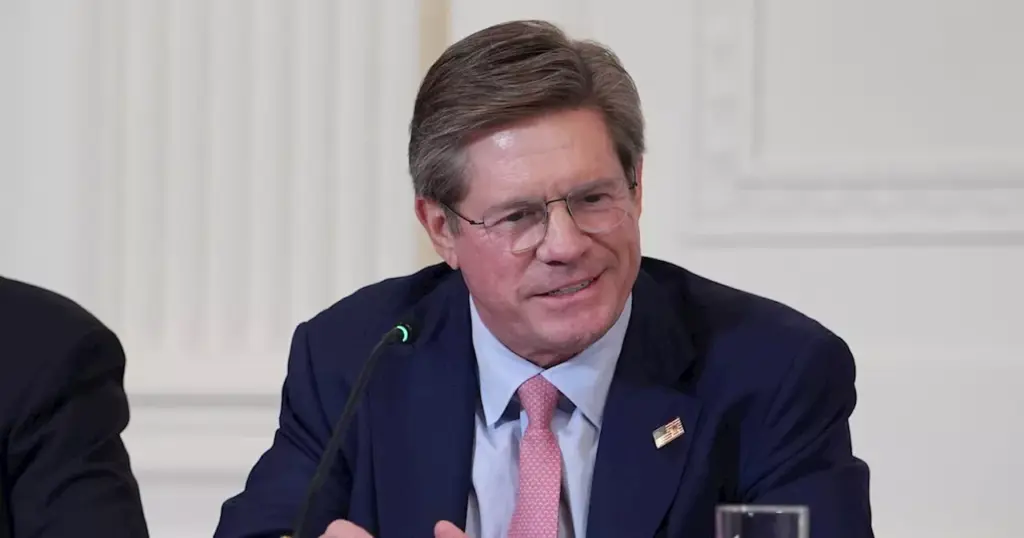
Hilcorp Energy, a prominent player in Alaska’s oil sector, has announced intentions to invest in Venezuela following the recent ousting of Nicolas Maduro. The announcement was made during a meeting with President Donald Trump on January 9, 2026, where Hilcorp’s chairman, Jeff Hildebrand, expressed the company’s readiness to engage in the reconstruction of Venezuela’s oil infrastructure.
The meeting took place shortly after a U.S. military operation resulted in Maduro’s removal. Trump indicated that American oil companies would be pivotal in revitalizing Venezuela’s struggling petroleum industry. Hildebrand assured the President that Hilcorp is “fully committed and ready to go” in this venture, a sentiment echoed by other executives present.
Bill Armstrong, CEO of Armstrong Oil and Gas, also revealed his company’s eagerness to explore opportunities in Venezuela. Armstrong’s firm, which has recorded significant oil discoveries in Alaska, controls approximately 8 million acres adjacent to Venezuela. He referred to Venezuela as “prime real estate” for oil investment, highlighting the potential for lucrative opportunities in the region.
While Hildebrand and Armstrong’s enthusiasm stood in stark contrast to the more cautious stance of larger publicly traded firms, their comments point to a shifting landscape in the oil industry. The CEO of ExxonMobil, Darren Woods, remarked that Venezuela remains “uninvestable” due to past asset seizures and a challenging political climate.
In discussions with Alaska-based lobbyist Ashley Reed, he acknowledged the significant challenges facing investment in Venezuela, including security concerns and political instability. Nonetheless, Reed suggested that Alaskan companies should not underestimate the possibility of Venezuela emerging as competition for investment dollars.
Reed noted that some issues facing investors in Venezuela mirror those currently observed in Alaska, such as “erratic fiscal policy” and a government seemingly resistant to reform. This comparison raises questions about the future of Alaska’s oil industry should investment in Venezuela gain traction.
As the situation develops, the implications for both Alaska and Venezuela’s energy sectors will be closely monitored. The interest shown by Hilcorp and Armstrong may signal a broader trend of American oil firms seeking new opportunities abroad, particularly in regions considered resource-rich but politically volatile.
The meeting at the White House reflects a pivotal moment for the U.S. oil industry as it navigates the complexities of international investment and geopolitical shifts. As Hilcorp and other companies pursue opportunities in Venezuela, the resulting competition could reshape the dynamics of oil investment in North America.