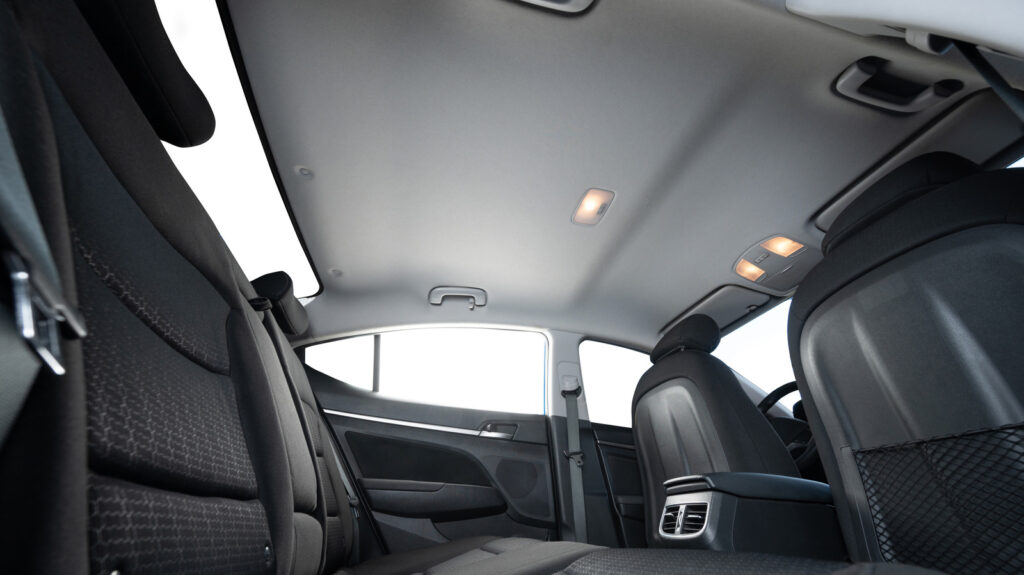
The choice of material for your car’s headliner can significantly impact both the aesthetic and functional aspects of the vehicle’s interior. As modern car design evolves towards minimalism and sustainability, understanding the best material options available is crucial for drivers looking to upgrade or replace their headliner. According to AutoZone, foam-backed fabric stands out as the most versatile choice due to its affordability, ease of installation, and factory appearance.
Evaluating Headliner Material Options
When considering headliner materials, several factors come into play, including durability, maintenance, and overall feel. Fabric-backed foam is composed of a laminated fabric layer glued to the roof. Not only is it lightweight, but it can also be easily stretched to prevent wrinkling. While this material generally resists sagging, high temperatures can weaken the adhesive over time, potentially leading to drooping.
For those residing in humid climates or driving heavily used vehicles, a vinyl headliner may be more suitable. Vinyl is highly durable, easy to clean, and less susceptible to damage from moisture. This makes it a popular choice for convertibles and other vehicles exposed to the elements. However, vinyl does come with drawbacks, including a firmer texture, reduced sound dampening, and more complex repair processes compared to fabric or suede.
Suede and microsuede headliners offer a luxurious texture that appeals to many car owners. True suede is often the most expensive option, while microsuede provides a more budget-friendly alternative. Both materials, however, present installation challenges due to their difficulty in stretching, and they can be harder to clean because of their rich textures.
Polyester is another option, combining durability with affordability. As a synthetic material, it offers a wide range of colors and textures. While polyester is stain-resistant, it may not provide the soft feel associated with fabric or suede, which could be a consideration for buyers prioritizing luxury.
Maintaining Your Headliner
Proper maintenance is essential to prolong the life of your headliner, regardless of the material chosen. Start by vacuuming to remove loose dirt, followed by a dry clean using a microfiber towel. It is advisable to select cleaning solutions specifically designed for the material of your headliner. After applying the cleaner, brush it gently into the fabric and allow it to dry before addressing tougher stains.
Regular cleaning can prevent old, unsightly stains from becoming a problem. A steamer can be used for deep cleaning, but only by those experienced enough to avoid potential damage.
To protect the headliner, avoid direct sunlight exposure. If your vehicle experiences leaks from windows or sunroofs, it is vital to address these issues promptly to prevent moisture buildup and mold growth. Monitoring for minor issues, such as sagging, and addressing them early can prevent further damage.
Routine vacuuming every month, limiting contact with the headliner, using dehumidifiers inside the car, and conducting seasonal deep cleans are recommended practices, especially for lighter-colored headliners showing signs of wear.
In conclusion, the choice of headliner material is subjective and should align with individual preferences, budgets, and usage conditions. With options ranging from fabric-backed foam to luxury suede, understanding the benefits and drawbacks of each can help car owners make informed decisions that enhance their driving experience.