Understanding the habits of white-tailed deer can significantly enhance hunting success in Pennsylvania. As winter sets in, the presence of snow provides a unique opportunity for hunters to observe deer behavior and identify feeding and bedding areas. This preparation is essential for those looking to harvest a mature buck during the upcoming firearms season.
Hunting preparation often starts long before the season begins. Activities such as scouting, practicing marksmanship, and acquiring new gear can lay the groundwork for a successful hunt. One of the most effective strategies is to utilize the snow-covered landscape to gain insights into deer habits. The snow, which is typically present for a limited time during the colder months, reveals crucial information about deer movement and preferences.
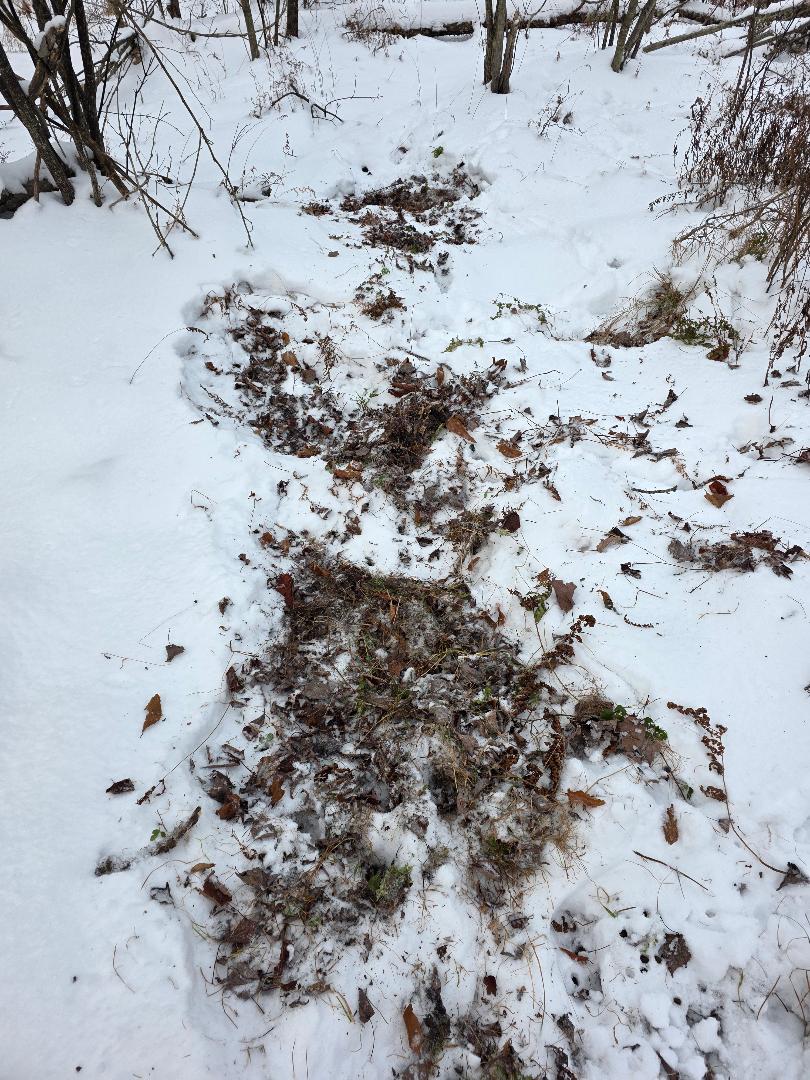
When snow blankets the ground, hunters can easily track deer paths leading to feeding and bedding areas. During late fall and winter, deer primarily forage on what the woods naturally provide, such as acorns and other mast crops, as food plots and agricultural fields are often depleted. Observing where deer dig through snow in search of these food sources can help hunters identify promising locations for future hunts.
Scouting in Snow: Key Insights
Taking a walk in the snow can unveil preferred travel routes for deer, guiding hunters to areas where they are likely to find activity. Notably, certain locations may reveal deer beds, offering valuable insights into deer behavior. For example, Rick Hynick, a freelance outdoors writer, recently discovered a deer bed under a large hemlock tree on a remote mountaintop. The elevated position provided the deer with a vantage point, while the breeze helped mask its scent, making it difficult for potential threats to approach unnoticed.
Marking these locations on a GPS or taking mental notes can be beneficial for planning future hunts. Hynick notes that spending time in larger areas, such as state game lands, can yield rich discoveries. Many hunters tend to remain close to parking areas during the season, which may limit their opportunities. Exploring further afield can reveal concentrated areas of deer activity, often found only a short distance from where tracks are scarce.
Hunters may find that the terrain holds pockets of deer, which are often more accessible through winter scouting. This understanding of the land and deer habitats can be invaluable when the rifle season arrives.
Lessons from Nature
The winter months provide a rare chance to learn directly from nature. Observing deer behavior in snowy conditions offers practical knowledge that can translate into more effective hunting strategies. While no hunting outcome is guaranteed, increasing time spent outdoors enhances a hunter’s understanding of their environment.
As one prepares for the next hunting season, embracing the lessons winter has to offer can yield significant advantages. Whether it’s tracking deer paths or observing feeding habits, the insights gained from winter scouting can make a notable difference when the time comes to take aim.
Rick Hynick encourages all outdoor enthusiasts to seize the opportunity that winter provides, stating, “The more time you spend in the outdoors, the more you will learn with Mother Nature as your instructor.” With thoughtful preparation and an eagerness to learn, hunters can maximize their chances of success in the upcoming season.