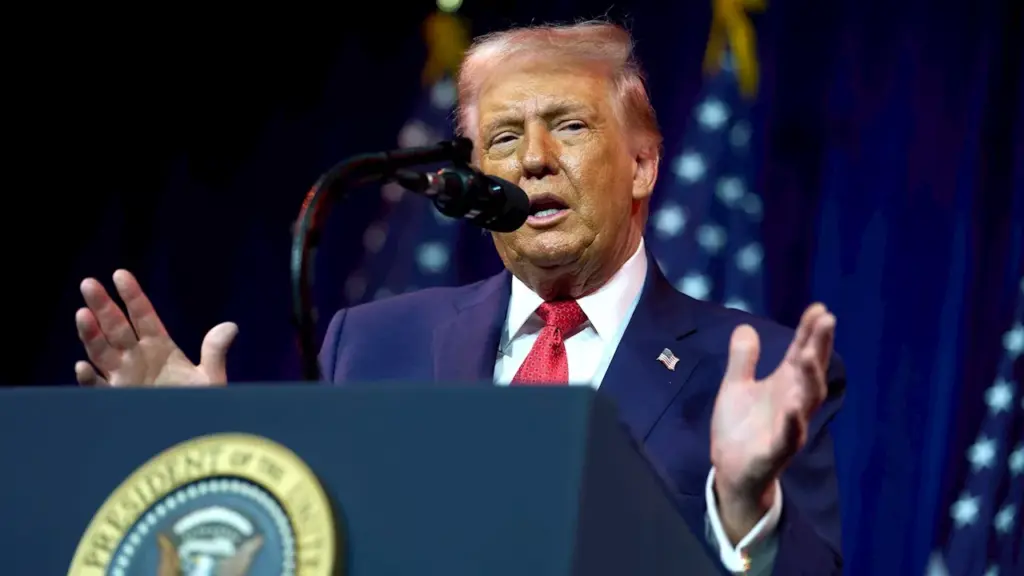
U.S. President Donald Trump confirmed discussions with oil executives regarding investments in Venezuela prior to a recent military operation that led to the ousting of President Nicolás Maduro. However, he did not inform members of Congress beforehand, citing concerns over potential leaks. The White House confirmed that oil company leaders would meet with Trump to discuss the U.S.’s role in Venezuela’s oil sector.
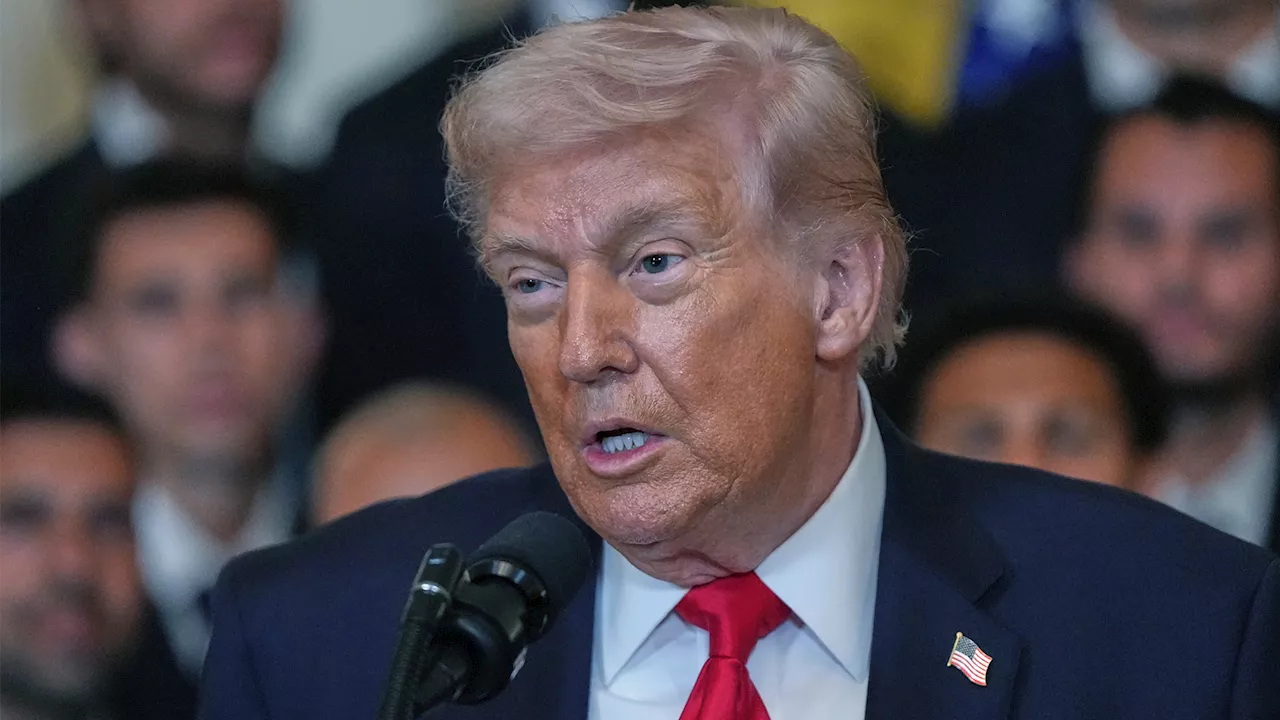
During a press briefing on Air Force One, Trump stated he had conversations with “all” the oil companies both “before and after” the military action. When asked if the oil companies were briefed on the operation beforehand, he replied, “No. But we’ve been talking to the concept of, ‘what if we did it?’” He maintained that while the companies were aware of the U.S. considering an intervention, they were not informed of the operation’s exact timing.
The operation, described by the Trump administration as a law enforcement action rather than a military attack, has drawn mixed reactions. Following the operation, Trump indicated that the U.S. would play a significant role in Venezuela, stating, “We’re going to be taking out a tremendous amount of wealth out of the ground.” His remarks suggest that U.S. oil companies could benefit significantly from the country’s resources.
Chemical companies including Chelver have denied receiving any advance notice about the operation. In a statement, Chevron spokesperson Bill Turenne said the firm had no prior warning concerning the military action. He emphasized that Chevron conducts regular meetings with various stakeholders, adhering to all relevant laws and regulations. Other major oil firms, such as ConocoPhillips and Exxon Mobil, have not responded to inquiries regarding their communications with Trump about Venezuela.
Congressional Response and Legal Implications
Following the operation, lawmakers voiced concerns regarding the lack of notification. Trump justified his decision not to brief Congress by stating that alerting members could jeopardize the mission. He remarked, “It’s just not the kind of mission that you can pre-notify because it endangers the mission.” Senator Marco Rubio corroborated this, explaining that immediate notification was provided after the operation’s completion.
The War Powers Resolution of 1973 mandates that the president must inform Congress within 48 hours of initiating military action. After 60 days, military operations must cease unless Congress grants approval. While Congress typically authorizes military action through formal measures, no such approval has been sought in regard to Venezuela.
Critics, especially among Democratic lawmakers, have condemned the Trump administration for not notifying Congress before the operation. Senator Chris Murphy expressed his frustration, stating, “This is why there was no briefing to Congress to explain this action.”
Venezuela’s Oil Reserves and Future Prospects
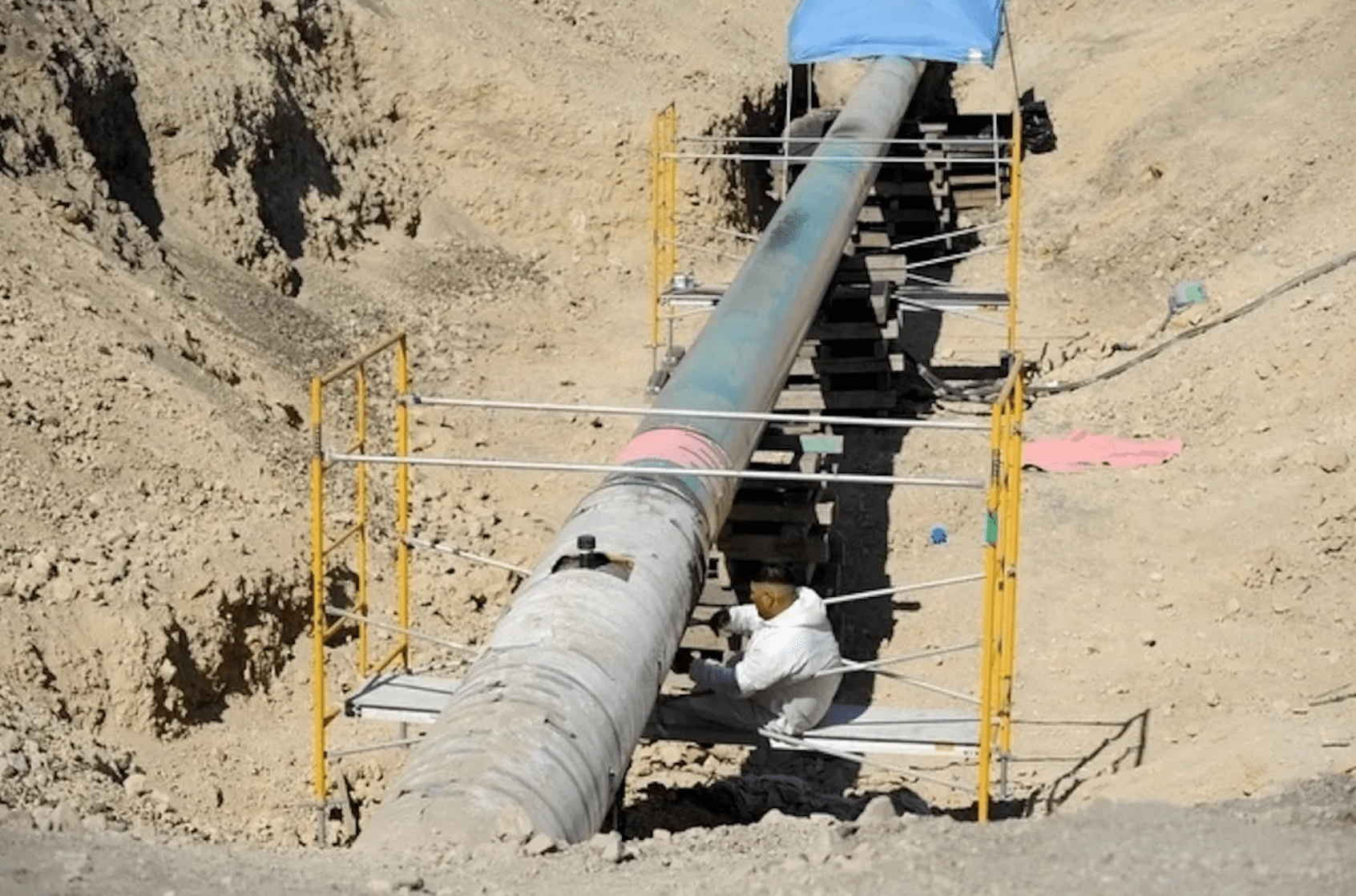
Venezuela is home to the world’s largest proven oil reserves, with approximately 303 billion barrels, equating to around 17% of global reserves. Trump’s administration has indicated that a significant investment by U.S. oil companies could revitalize the nation’s oil infrastructure, which has suffered from years of mismanagement and economic decline.
Trump indicated that U.S. firms would invest billions to enhance Venezuela’s oil infrastructure, saying, “We’re going to have our very large United States oil companies — the biggest anywhere in the world — go in, spend billions of dollars, fix the badly broken infrastructure.”
In light of the evolving situation, ConocoPhillips stated it is closely monitoring developments in Venezuela and their implications for global energy supply. Chevron similarly reiterated its commitment to compliance with all applicable laws.
As the political landscape in Venezuela continues to shift, the implications of U.S. involvement in the oil sector remain to be fully understood. While the Trump administration positions itself to capitalize on Venezuela’s resources, the legality and morality of bypassing Congress could have long-lasting consequences for U.S. foreign policy and governance.