Fertility treatment can profoundly affect a person’s perception of their body and sense of control. Many individuals undergoing procedures such as in vitro fertilization (IVF) report feelings of disconnection from their bodies, often resulting from the invasive nature of treatment. As patients navigate this challenging journey, addressing these emotional experiences becomes crucial for their overall well-being.
The emotional toll of fertility treatment is often underappreciated. Patients frequently find themselves subjected to numerous medical interventions, including hormone injections, blood draws, and regular monitoring. This constant medical oversight can create a sense of vulnerability, leaving individuals feeling as though they are trapped in a body that no longer feels familiar. What once provided comfort in daily routines may be disrupted, leading to feelings of exposure and a loss of autonomy.
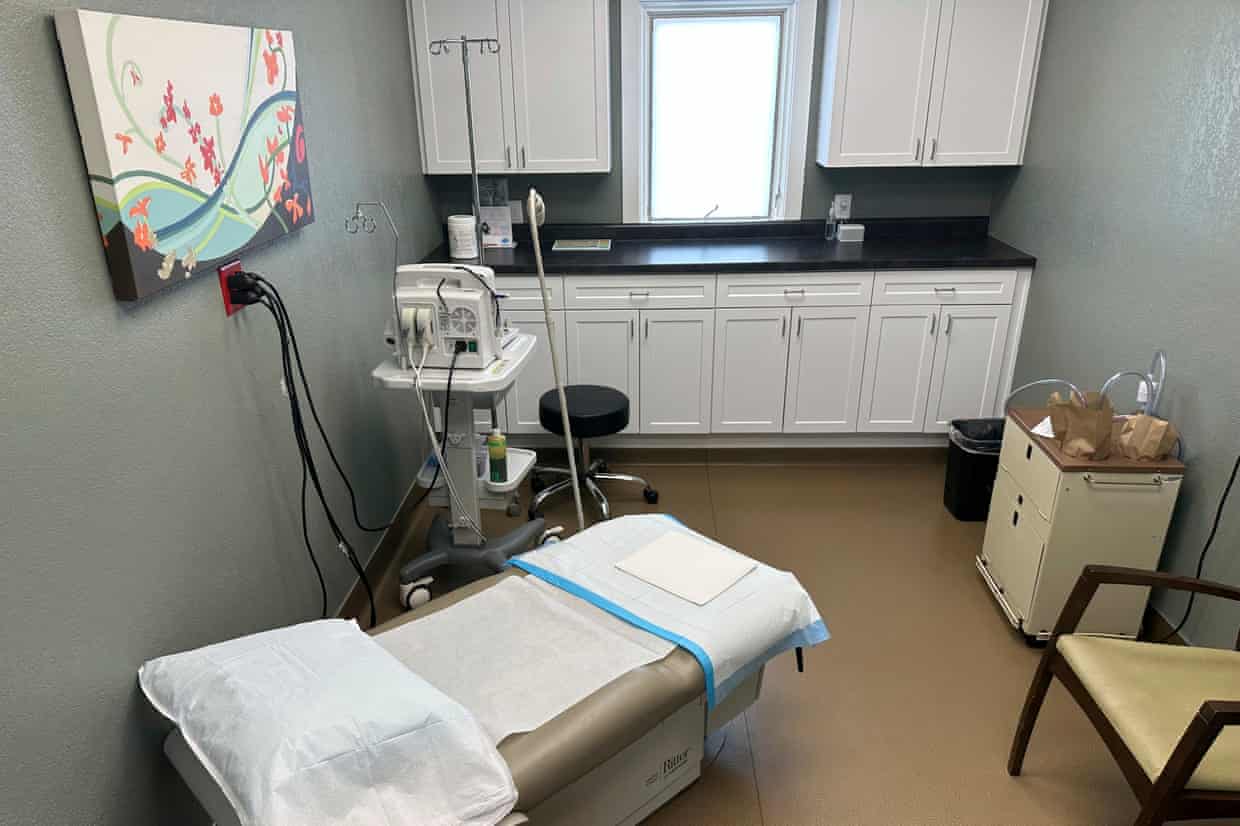
For many, the intimate experience of trying to conceive at home is replaced by the sterile environment of clinic rooms, where personal matters become public. The loss of privacy, combined with physical changes such as weight gain or bloating, can contribute to a disconnection from one’s body. When efforts to conceive do not yield the desired outcomes, disappointment can intensify feelings of inadequacy, leading individuals to believe that their bodies have failed them.
This disconnection can have significant implications for mental health. According to research published in *Sexual & Reproductive Healthcare*, emotional responses to infertility are common and can include anxiety, depression, and a negative body image. Acknowledging these feelings is the first step toward reclaiming a sense of ownership over one’s body.
Reconnecting with Your Body
Rebuilding that sense of connection often requires a multifaceted approach. It starts with recognizing and accepting the grief associated with losing the body you once knew. This journey involves understanding that mourning the loss of your previous self is a valid and necessary process. Taking steps to reconnect with your body can include making conscious choices that prioritize your comfort and well-being.
For instance, separating medical touch from comforting touch can help individuals reclaim a sense of agency. Engaging in physical activities purely for enjoyment, rather than as part of a treatment protocol, can foster a renewed appreciation for one’s body. It is important to remember that it is normal to mourn the body you trusted and to feel overwhelmed by the weight of these experiences.
Simple acts, such as writing a letter of gratitude to your body, recognizing its resilience throughout the fertility journey, can also be therapeutic. These exercises can pave the way for healing and help restore a positive relationship with oneself.
The Path Forward
Ultimately, reclaiming your body after fertility treatment does not mean forgetting the journey. It involves integrating those experiences into a broader understanding of oneself without allowing them to define identity. Your body is a vessel for not only medical procedures but also for feelings, connections, and joys that extend beyond reproduction.
With time, patience, and self-compassion, it is possible to rebuild trust in your body. As individuals navigate the complexities of fertility treatment, recognizing the emotional landscape of this journey is essential. It is a process of healing that acknowledges both the struggles and the strength it takes to move forward.
Research continues to shed light on these experiences. Studies, such as those published in *BMC Women’s Health* and *Dialogues in Clinical Neuroscience*, highlight the mental health challenges faced by women undergoing fertility treatment. Addressing these issues is vital not only for personal recovery but also for enhancing the overall quality of care within reproductive health services.
As individuals confront the emotional aftermath of fertility treatment, it is crucial to seek support, whether through professional help or connecting with others who share similar experiences. Understanding that feeling disconnected is a common response can provide comfort and foster resilience during a challenging time.