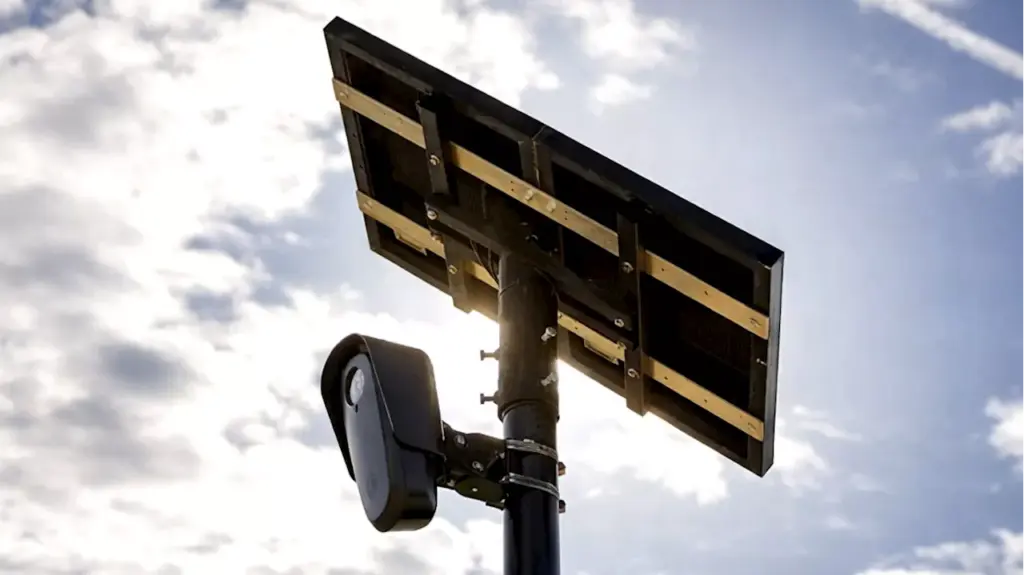
Connecticut has approved automated speed cameras in ten towns, with more municipalities preparing to apply. This initiative aims to enhance road safety and generate additional revenue through traffic fines. The towns officially received state approval for these cameras under a roadway safety law passed in 2023, demonstrating a growing trend towards automated traffic enforcement across the United States.
Municipalities Embrace Technology for Traffic Enforcement
The ten towns that have received the green light include major areas such as New Haven, Middletown, Fairfield, Greenwich, Milford, Stratford, Wethersfield, Beacon Falls, Marlborough, and Washington, which was the first town to be approved back in November 2024. In addition, Hamden and Stamford have submitted applications and are currently awaiting approval from the Connecticut Department of Transportation (DOT).
The law permits towns to utilize automated cameras to enforce local traffic ordinances. However, the approval process is neither quick nor automatic. Municipalities must conduct a public hearing and submit a detailed safety plan to the DOT, outlining how the cameras will contribute to reducing crashes, injuries, or fatalities. After submission, the DOT has 60 days to review the application. If rejected, feedback will be provided to guide necessary revisions.
According to CT News Junkie, West Hartford is currently the closest to joining the approved list, having received unanimous support from its Town Council for a speed camera plan covering 15 locations. Officials anticipate a rollout by mid-2026.
Broader Surveillance Measures and Privacy Considerations
In a broader approach, East Hartford has enacted an ordinance that encompasses not only speed cameras but also red-light cameras, license plate readers, drones, and noise cameras. To address privacy concerns raised by the American Civil Liberties Union (ACLU), the ordinance imposes a limit on the retention of license plate images to 30 days, unless they are linked to an active investigation.
Under state law, automated speed cameras activate when a vehicle exceeds the posted speed limit by 10 mph or more. A photograph of the vehicle’s license plate is then reviewed by law enforcement. If validated, a citation is mailed to the registered owner. The fines for first offenses start at $50, while repeat violations incur a fee of $75, alongside a typical administrative charge of $15.
As municipalities across Connecticut embrace these automated systems, the potential for increased revenue is significant. Similar programs in states like Hawaii, Florida, and Indiana have proven lucrative, suggesting that Connecticut could soon experience a similar fiscal impact.
The integration of technology into traffic enforcement continues to spark discussions about safety, revenue, and privacy, reflecting broader trends in urban management and public safety strategies. As more towns look to adopt these measures, the conversation about how to balance efficiency with civil liberties will likely intensify.