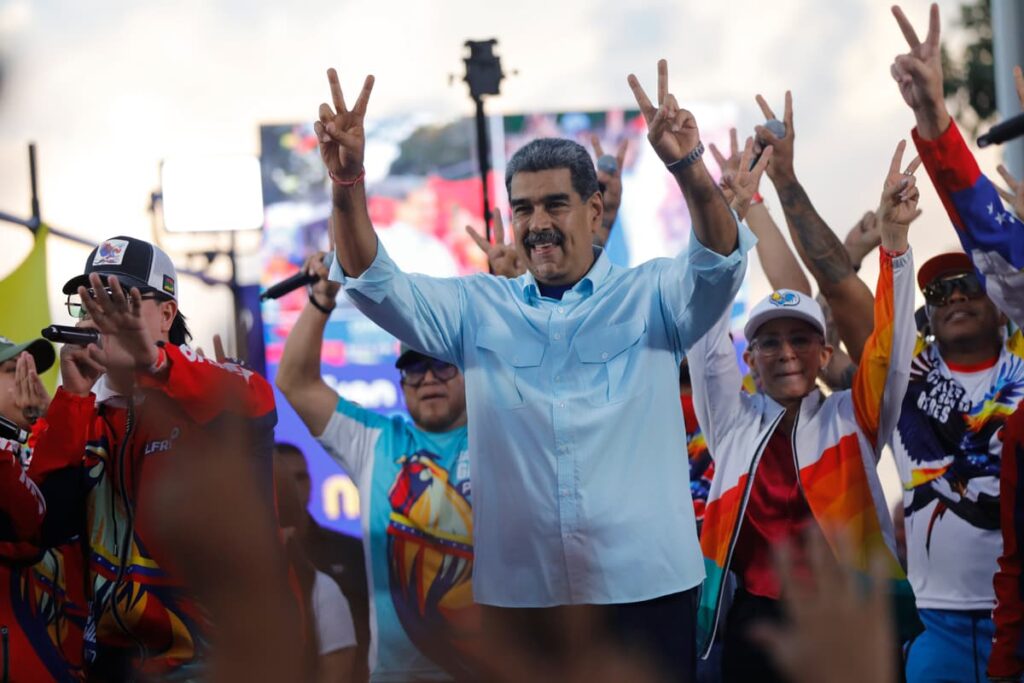
Venezuelan President Nicolás Maduro has expressed a willingness to engage in discussions with former U.S. President Donald Trump regarding cooperation on issues such as drug trafficking and the potential reopening of Venezuela’s oil industry. This announcement comes amidst increasing military pressure from U.S. forces in the region, which has heightened the urgency of diplomatic dialogue.
Maduro’s remarks reflect a shift in strategy as he faces growing international scrutiny over his administration’s handling of the economy and social unrest within Venezuela. During a televised address on September 20, 2023, he stated, “We are ready to talk about the fight against drug trafficking and to open the oil industry to U.S. investment.” This statement signals a possible thawing of relations, which have been strained since Trump’s presidency.
The Venezuelan leader highlighted that the discussions could pave the way for enhanced collaboration, particularly in combating drug trafficking that has plagued both nations. According to the U.S. Drug Enforcement Administration, Venezuela has been a significant transit point for cocaine trafficking, raising concerns for U.S. security.
Impact on the Oil Industry
The potential reopening of Venezuela’s oil industry could be a game-changer for the beleaguered economy. Venezuela possesses some of the largest oil reserves in the world, yet production has plummeted due to years of mismanagement, sanctions, and a lack of foreign investment. In recent years, oil production has fallen to approximately 600,000 barrels per day, far below its capacity of over 3 million barrels.
Maduro’s government has struggled to maintain production levels, and any agreement with Trump could provide the necessary influx of capital and expertise to revitalize the sector. Analysts suggest that U.S. investment could significantly boost production, leading to increased revenues for the Venezuelan government, which is facing a severe economic crisis marked by hyperinflation and widespread poverty.
Military Pressure and Diplomatic Efforts
The backdrop to Maduro’s proposal is a surge in military presence from the United States in the Caribbean and South America. This move has been interpreted as a signal of America’s commitment to addressing drug trafficking and regional stability. The U.S. has engaged in various operations aimed at disrupting drug routes and has imposed sanctions on key Maduro allies.
In light of these developments, the Venezuelan administration appears to be recalibrating its approach. By reaching out to Trump, Maduro may be seeking to mitigate the military pressure while also repositioning himself as a willing partner in regional security.
While the prospect of talks may seem unlikely given the historical tensions, both leaders face unique challenges that could motivate them to explore diplomatic avenues. For Trump, reviving discussions with a country like Venezuela could serve as a means to bolster his political platform, while Maduro seeks to alleviate his country’s economic struggles.
In summary, Nicolás Maduro’s openness to dialogue with Donald Trump over drug trafficking and the oil industry signifies a potential shift in Venezuela’s foreign relations. As both leaders navigate complex political landscapes, the future of their discussions remains uncertain, yet significant for both nations.