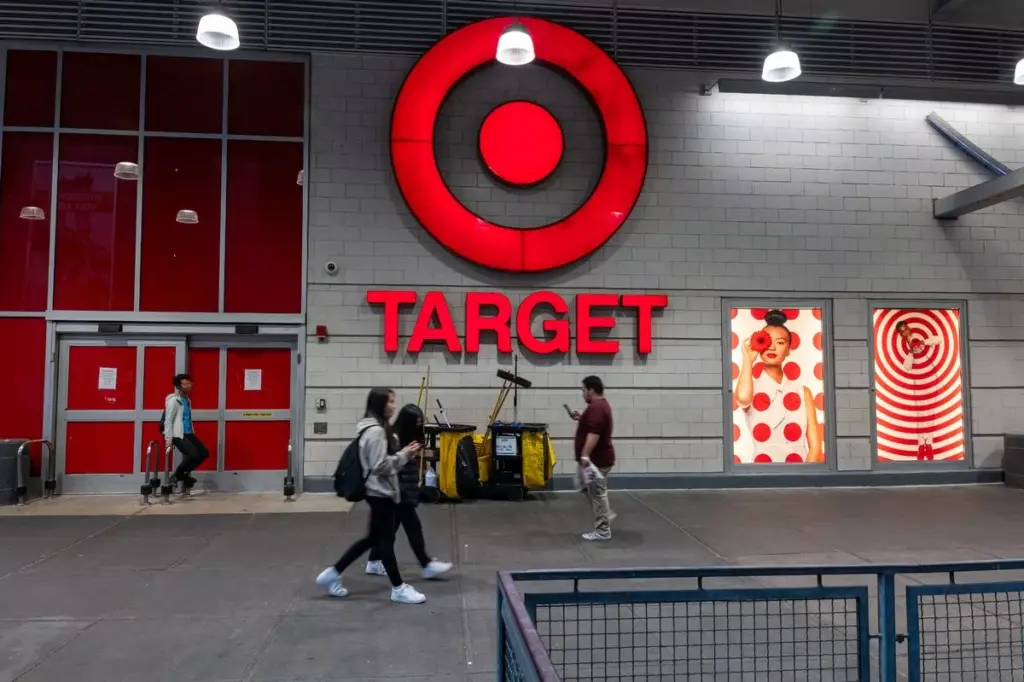
Target Corporation has agreed to distribute approximately $4.6 million to around 13,700 current and former employees as part of a settlement related to a lawsuit. The case, initiated by lead plaintiff Krystal Sadler, accused the retail giant of failing to compensate hourly, non-exempt employees at its New Jersey distribution centers for all time worked.
The lawsuit, known as Sadler v. Target Corp., was filed in November 2022. It claimed that Target did not provide pay for time spent on mandatory security screenings and the extensive walks employees undertook to reach their workstations. These practices, the suit argued, contravened New Jersey law. Target has denied any wrongdoing but opted for the settlement to avoid lengthy litigation.
Details of the Settlement
Eligible employees include those who worked at Target’s distribution centers in Burlington, Perth Amboy, and Logan Township from August 6, 2019, onward. The settlement payments will be calculated based on Target’s pay records and distributed on a pro rata basis.
Those entitled to receive a payment do not need to take any action to obtain their checks. Employees who wish to opt out of the settlement must do so by February 13, 2026. If they do not opt out, they will automatically receive their payments following the court’s final approval. A hearing to finalize the settlement is scheduled for February 24, 2026.
Company Restructuring and Implications
The settlement announcement follows Target’s recent decision to cut approximately 1,000 jobs and eliminate 800 open positions as part of a significant restructuring initiative. This represents about 8% of the company’s corporate workforce, marking the largest layoffs Target has experienced in over a decade.
The settlement is noteworthy not only for its financial implications but also for the broader context of employee rights and compensation practices in the retail sector. Legal documents indicated that Target has the capability to track employee time accurately, emphasizing that there should be no technological barriers to ensuring fair compensation for all hours worked.
As the case progresses toward its final court hearing, many current and former employees are awaiting a resolution that could set a precedent for similar cases in the retail industry.