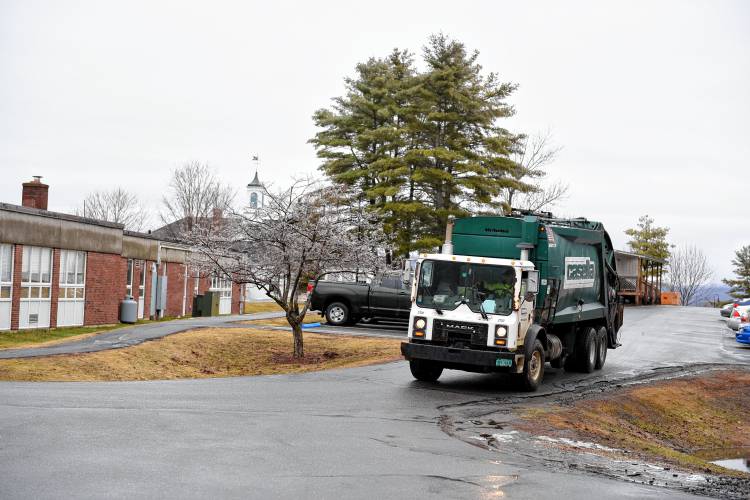
The recent acquisition of two local waste management companies by Casella Waste Systems has sparked concerns among residents and officials regarding rising waste disposal costs. The Vermont-based company, with annual revenues of approximately $1.8 billion, has purchased Pinard Waste Hauling and Purmore Waste, further consolidating its presence in the trash collection industry. This trend reflects a broader national movement towards consolidation in the sector, a situation that may limit competition and increase expenses for consumers.
Casella now caters to over 124,000 households and 11,000 businesses across more than 200 towns in New Hampshire, including significant municipal contracts in cities such as Concord and Manchester. According to Jeff Weld, vice president of communications at Casella, these acquisitions facilitate smoother transitions for both employees and customers while enhancing service reliability and sustainability. He noted that operational efficiencies gained from these mergers lead to fewer trucks on the road and improved safety through updated technology.
One notable advancement includes the use of trucks equipped with robotic arms for automated trash collection. This technology is currently operational in several locations, including Bow, Laconia, and Manchester, with plans to trial it in parts of Concord in summer 2025.
Despite these technological improvements, communities have not seen a corresponding decrease in costs. For instance, Bow experienced a staggering 40 percent increase in its waste collection expenses following Casella’s acquisition of Pinard Waste. Angela Brennan, vice chair of the Bow Select Board, expressed her concerns at a public meeting, stating, “The change to Casella is costing us quite a lot, and I wish there were other options for us to consider. But it seems like they have a hold on the market and that’s a little concerning.”
Similarly, Concord’s latest contract with Casella saw disposal costs jump from approximately $70 per ton to about $100 per ton, marking the first time additional charges for recycling have been implemented. This trend is likely to continue, as Casella completed six acquisitions in the first half of 2025, which are expected to generate an annualized revenue exceeding $90 million. The company has plans for further expansion along the Eastern Seaboard.
This consolidation is not unique to Casella. The five largest publicly traded companies in the U.S. solid waste industry collectively spent around $2.7 billion on acquisitions in the first three quarters of 2025, as reported by industry publication Waste Dive. Many of these transactions involve smaller firms being fully integrated into larger companies, often referred to as “tuck-ins,” which can diminish brand diversity in the market.
Traditionally, the waste management industry in the U.S. has been characterized by a vast number of small operators, with an estimated 20,000 firms engaged in trash collection. Many of these businesses serve only a handful of communities, relying on a few trucks to meet local demands. As the industry consolidates, factors such as increasing fuel, equipment, and labor costs are further driving up the expense of waste collection services.
In addition to these challenges, New England is facing a reduction in landfill space, which will impose a $3.50 surcharge per ton for businesses and out-of-state haulers starting next year. This combination of consolidation, rising operational costs, and limited landfill capacity is likely to create ongoing financial pressure for waste collection services in the region.
As communities adapt to these changes, many residents and officials are left questioning the future of waste management services and the potential for increased costs as market competition continues to decline.