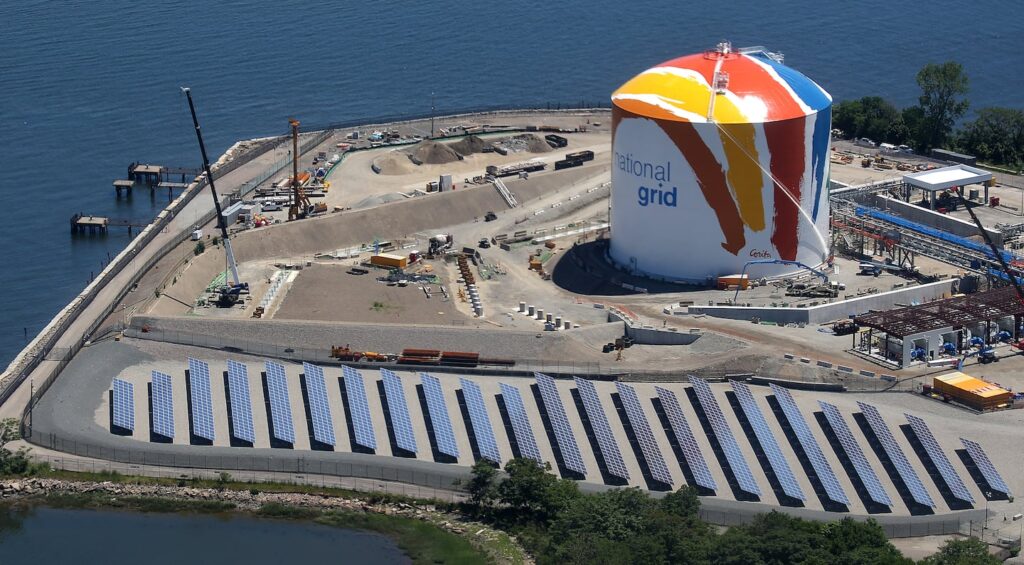
UPDATE: National Grid’s proposed 10 percent hike in natural gas base rates is meeting fierce opposition as households across Massachusetts grapple with soaring energy costs. This urgent development, announced today, follows a shocking request from Liberty Utilities to raise gas rates by an average of 55 percent in the Fall River area.
This rate increase threatens to deepen the energy affordability crisis affecting countless families already struggling to make ends meet. The reliance on expensive fossil fuels is a key factor driving these rising costs, disproportionately impacting environmental justice communities that spend a significant share of their income on energy.
Cynthia Mendes, Massachusetts director of Clean Water Action, criticized the proposal, stating it prioritizes fossil fuel infrastructure at a time when Massachusetts urgently needs to decarbonize its energy systems. “This approach is fiscal malfeasance,” Mendes declared, highlighting that while National Grid acknowledges affordability issues, it continues to perpetuate dependency on volatile fossil fuel markets.
The Department of Public Utilities recently mandated an end to ratepayer-funded subsidies for new gas line extensions, shifting costs entirely onto new customers. As of August 2025, the average connection cost for new homes is around $9,000, escalating the financial burden on residents in a state striving for net-zero carbon emissions by 2050.
The proposed rate hike is not just a number; it represents a significant shift in the energy landscape of Massachusetts. Upgrades to gas distribution pipes, some dating back to before 1970, will do little to combat the ongoing volatility in gas prices. Instead, experts advocate for a transition towards more sustainable energy solutions, such as heat pump technology, which can lower emissions and stabilize long-term costs.
As Massachusetts leaders focus on reducing energy costs, the urgency to invest in clean energy sources has never been greater. Investments in renewable energy not only promise reliability and cost stability but also create jobs and protect public health. The Mass Save program has already delivered over $34 billion in benefits and savings since its inception, demonstrating the potential of a clean energy future.
With residents’ financial stability on the line, this latest rate hike proposal has sparked widespread debate and concern. Authorities urge swift action to ensure that clean energy resources become a priority, moving away from profit-driven fossil fuel dependence.
As the situation develops, Massachusetts residents and energy advocates are calling for a reevaluation of energy policies to prioritize affordability and sustainability. The path forward is clear: move towards local energy solutions that empower communities and shield them from the volatility of the fossil fuel market.
Stay tuned as this story unfolds, and share your thoughts on how these changes may impact your community.