UPDATE: The transformation of Chelfham Mill into a groundbreaking community hub is underway, marking a significant milestone for North Devon. The GrowForward Project, designed to blend heritage restoration with mental well-being, is drawing extensive community support as it evolves into a vital resource for local residents.
Over the past two years, a dedicated yet largely unfunded team has been working tirelessly to restore the once-derelict Chelfham Mill site. What was a heavily damaged complex is now partially operational, providing spaces for community activities and well-being initiatives. The project’s significance has been underscored by numerous endorsements from local leaders in mental health, government, and heritage sectors.
“This project is a brilliantly conceived programme to convert the former special needs school into a centre for restoration and rejuvenation,” stated Andrew Bell, CEO of UNESCO North Devon Biosphere. His words reflect a growing recognition of the project’s potential to connect people with nature for positive community outcomes.
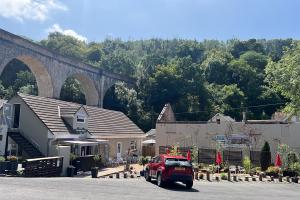
The ambitious vision includes the refurbishment of historic buildings, such as the iconic Grade II listed Chelfham Viaduct, a riverside bistro, and a mental well-being learning centre. Expected offerings will range from training courses in counselling and psychotherapy to exhibitions celebrating the local heritage, including the historic Lynton and Barnstaple Railway.
Director of community and communications, Daniel Argent, described the journey as “exhausting but overwhelmingly positive,” emphasizing the overwhelming interest and support from across North Devon. His connection to the site runs deep; as a former pupil, he initially proposed the project despite initial skepticism from colleagues.
Community engagement has been pivotal to the project’s strategy. An event held on December 4, 2023, exploring local waterways and woodlands, drew significant attendance, filling the venue to capacity. This successful gathering, supported by organizations like the National Trust, highlighted the project’s commitment to integrating biodiversity with public engagement.
Local residents have expressed strong support, as evidenced by a social media post thanking participants that garnered over 160 likes. This enthusiastic backing is crucial for the project’s upcoming funding bid to the Heritage Lottery Fund, aimed at restoring the mill and its surrounding landscape.
“This project is a truly visionary undertaking, transforming an overgrown site into a sanctuary that offers immense value to the community and the environment,” said Devon County Councillor Andrea Davis. Her remarks underline the project’s multifaceted approach to education, reflection, and relaxation.
The GrowForward Project is particularly notable for its inclusivity, featuring neurodivergent-led programmes. The upcoming digital creativity and e-sports hub will provide safe, sensory-considerate environments for participants to engage in creative learning and gaming. Although awaiting necessary equipment, the hub promises to enhance digital engagement and skills development.
Local partnerships with organizations like Hakeford Woods and the Barnstaple & Yeo Valley Railway Trust enrich the project’s collaborative ethos. These alliances foster a cohesive community ecosystem, pooling resources and promoting a holistic approach to well-being and environmental stewardship.
Member of Parliament for North Devon, Ian Roome, hailed the initiative as “a model for community-led regeneration” that could inspire similar efforts elsewhere. The potential for expanding social prescribing and nature-based therapies is also gaining traction, according to Phil Harris from the Devon Mental Health Alliance.
With plans to fully open by 2026, the GrowForward Project is positioning Chelfham Mill as a destination for ethical tourism and holistic well-being. The opening timeline hinges on the success of funding applications, including support from the Heritage Lottery. Current forecasts suggest that most facilities, excluding the former mill house and watermill, will be operational between 2026 and 2027.
The dedicated team remains optimistic that continued community engagement and institutional support will help realize the project’s full potential, ultimately benefiting not just North Devon, but the broader region. As this ambitious initiative takes shape, it is set to redefine community-driven regeneration in the area.