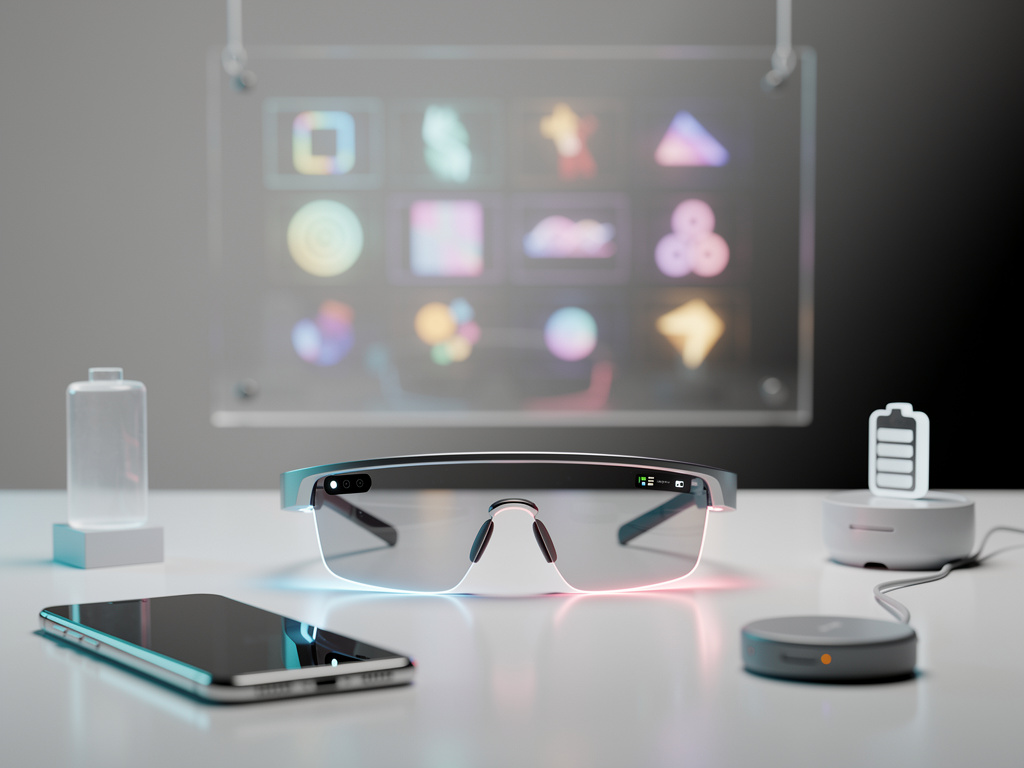
URGENT UPDATE: Smart glasses are rapidly transforming TikTok content creation as of December 2025, revolutionizing how users engage with the platform. These innovative devices allow creators to film hands-free, eliminating the traditional hassles of smartphone filming, and are now essential tools for millions of TikTok users.
This breakthrough comes as companies like Meta and Rokid unveil cutting-edge models that seamlessly integrate with TikTok, enabling effortless point-of-view video capture. For example, the Ray-Ban Meta Smart Glasses have become a hit, allowing users to sync their recordings directly to social feeds without the need for editing, marking a significant shift in content creation.
The demand for more authentic and spontaneous content is driving this trend. TikTok thrives on genuine moments, and smart glasses deliver precisely that. Creators can film while multitasking—walking, cooking, or dancing—resulting in engaging content that resonates with audiences. Recent statistics reveal that hashtags like #SmartGlassesTikTok have garnered billions of views, reflecting a growing appetite for this technology.
One notable advancement is from Rokid, whose latest smart glasses feature optimized camera aspect ratios for social media, eliminating the frustration of cropping videos to fit TikTok’s vertical requirements. As highlighted by Gizmodo, these glasses streamline the posting process, making it significantly more efficient for creators.
Alongside convenience, smart glasses introduce AI-driven capabilities that enhance creativity. Real-time features enable overlays like subtitles and effects, transforming solo creators into polished producers. Influencers are now streaming high-definition video directly from their glasses to TikTok and other platforms, sparking innovations like calorie counters and memory aids, as shared on X.
The surge in adoption rates is particularly notable among Gen Z and millennial creators, who are reshaping TikTok’s landscape. The stigma surrounding earlier models, such as Google Glass, has faded as users embrace smart glasses for immersive content creation. Insights from Digital Trends reveal that these devices are no longer seen as niche gadgets but as mainstream essentials for content creators.
Style is also a significant factor driving this trend. TikTok trends emphasize fashionable frames, merging aesthetics with technology. Popular hashtags like #TikTokGlassesTrend showcase oversized and sustainable designs that appeal to environmentally conscious creators.
Moreover, accessibility features are expanding the user base. AI-powered glasses providing real-time captions for the deaf and hard of hearing are making TikTok more inclusive, fostering new communities and content around these innovations.
Despite the excitement, challenges remain. Privacy concerns over built-in cameras are a significant issue, with regulators closely examining how these devices manage data. Battery life is another concern; however, updates from brands like Meta have significantly improved endurance, with users praising the enhancements on social media.
The competitive landscape is heating up, with Meta’s partnership with Ray-Ban establishing it as a leader, while newcomers like Rokid offer affordable alternatives. According to a TechCrunch roundup, smart glasses shipments doubled in 2025, driven by social media integration, with TikTok reporting a 40% increase in point-of-view videos linked to these devices.
As content creators find new ways to monetize their work, brands are rapidly sponsoring challenges and campaigns that leverage smart glasses, leading to viral trends. The impact of these devices extends beyond TikTok, with users streaming simultaneously across multiple platforms, redefining content strategies for influencers.
Looking ahead, the integration of health and wellness features, such as UV protection and voice control, is appealing to outdoor creators. As per LookerOnline, smart glasses are poised to dominate in 2025, merging hands-free tech with health and entertainment capabilities.
Critics warn that reliance on smart glasses could lead to scripted content, yet proponents argue they empower users, especially those with disabilities, by providing essential tools like real-time subtitles during interactions.
As we near the end of 2025, the smart glasses revolution is reshaping TikTok content creation, making posting faster, more intuitive, and significantly more engaging. With ongoing innovations, the line between observer and participant in social media is blurring, ushering in an era where technology sees through our eyes.