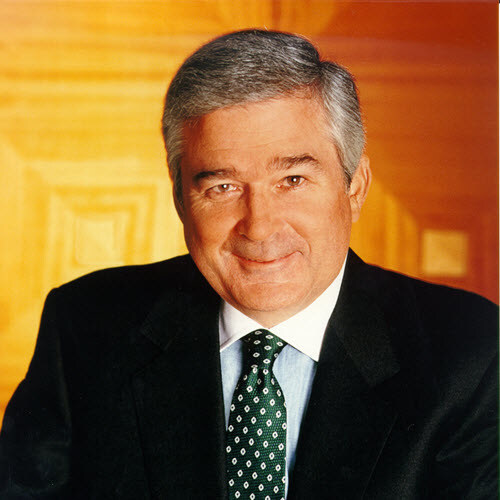
Lou Gerstner
IBM has announced the passing of Lou Gerstner, the company’s Chairman and CEO from 1993 to 2002, who died on December 27, 2025, at the age of 81. In an email to all IBM employees, current Chairman and CEO Arvind Krishna expressed his sorrow and reflected on Gerstner’s significant impact during a pivotal time for the company.
When Gerstner joined IBM, the company’s future was uncertain amid rapid industry changes and internal pressures. He took the helm at a time when many questioned whether IBM could remain intact. His leadership transformed the company by shifting its focus towards understanding client needs and delivering integrated solutions.
Transformative Leadership Style
One of Gerstner’s hallmark moments as CEO occurred during a lengthy internal presentation when he abruptly stated, “Let’s just talk.” This marked a shift away from insular discussions and emphasized the importance of direct communication with clients. Gerstner believed that IBM had become overly focused on its internal processes rather than on delivering value to customers. He recognized that understanding customer needs was fundamental to the company’s success.
Under his leadership, meetings became more fact-driven, and decision-making prioritized client impact over traditional corporate hierarchies. Gerstner’s approach to innovation was pragmatic; he emphasized that new ideas must translate into reliable solutions for clients. While quarterly results were important, he insisted that they should always serve the longer-term relevance of the organization.
Perhaps Gerstner’s most consequential decision was to keep IBM unified during a time of fragmentation. He understood that clients sought integrated technology solutions rather than disparate offerings. This vision was instrumental in reestablishing IBM’s relevance among major global enterprises.
Cultural Shift and Lasting Influence
Gerstner recognized that strategy alone would not suffice; he believed a cultural transformation was essential. He encouraged IBM employees to confront reality honestly and to embrace challenges openly. Rather than discarding IBM’s long-standing values, he sought to renew them to align with the demands of a rapidly evolving business landscape.
Krishna recalled his own experiences with Gerstner during the mid-1990s, describing his intensity and focus as memorable. Gerstner had the rare ability to balance short-term results with long-term innovation. Even after his tenure, he remained engaged with IBM, offering advice and insights while always emphasizing the importance of listening and adapting to feedback.
Gerstner’s legacy extends beyond IBM. Before joining the company, he had a distinguished career that included becoming one of the youngest partners at McKinsey & Company, serving as President of American Express, and leading RJR Nabisco. Following his time at IBM, he chaired The Carlyle Group and dedicated significant resources to philanthropic efforts, particularly in education and biomedical research.
A native of Long Island, New York, Gerstner earned his undergraduate degree from Dartmouth College and an MBA from Harvard Business School. Throughout his life, he maintained a deep commitment to his family. He was preceded in death by his son, Louis Gerstner III.
IBM plans to hold a celebration in the new year to honor Gerstner’s legacy and the profound impact he had on the company and its employees. Krishna extended his thoughts to Gerstner’s wife, Robin, his daughter, Elizabeth, and his grandchildren, as well as to the many friends and colleagues who were influenced by his leadership and vision.