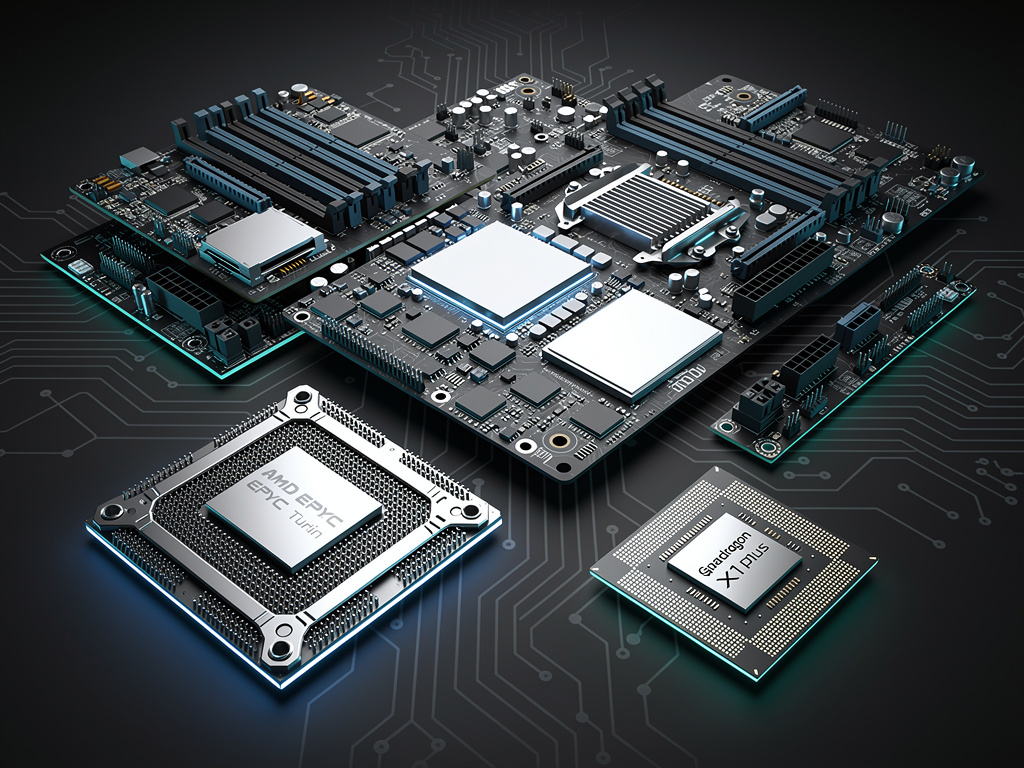
UPDATE: The release of Coreboot 25.12 has just been announced, bringing significant enhancements including support for AMD EPYC 9005 processors and Qualcomm’s Snapdragon X1 Plus. This milestone in open-source firmware development, unveiled in December 2025, marks a critical step towards greater hardware compatibility.
In a move that could reshape the future of open firmware, Coreboot’s latest version incorporates over 750 commits from more than 110 contributors, including numerous first-time developers. This collaborative effort exemplifies the community’s dedication to freeing devices from proprietary BIOS constraints, enhancing both security and customization capabilities.
One of the most notable features in Coreboot 25.12 is the proof-of-concept support for the latest AMD EPYC “Turin” processors, which promise efficiency gains crucial for data centers and cloud infrastructure. Although still in experimental stages, this development sets the groundwork for future integrations, potentially accelerating adoption in enterprise environments where open firmware can significantly reduce vendor lock-in.
As Coreboot expands its support, this update also enhances compatibility with the Snapdragon X1 Plus platform. Industry analysts are closely watching this move, as it could pave the way for a broader range of Arm-based devices within the Coreboot ecosystem, challenging traditional x86 architectures.
The release emphasizes critical performance improvements, including faster boot times and enhanced driver compatibility, addressing long-standing challenges in firmware development. Updates to tools like amdfwtool facilitate better management of AMD’s firmware blobs, improving deployment processes on Ryzen and EPYC systems.
Community reactions have been overwhelmingly positive, with developers expressing excitement on platforms like X about the potential impact of these updates on custom server builds. The unification of Coreboot’s payload ecosystem with improved options such as SeaBIOS and GRUB ensures smoother transitions to operating systems, a key requirement for embedded systems and IoT devices.
Security is another vital focus, with patches addressing vulnerabilities in memory handling and firmware verification, aligning with industry standards and enhancing overall system integrity. The release also expands motherboard support, adding several new models from niche vendors, increasing the total supported platforms for enthusiasts and professionals alike.
Coreboot 25.12 demonstrates the project’s ethos of inclusivity and collaboration. The influx of new contributors not only enriches the project but also enhances accessibility through improved documentation and codebase refinements. Observers note parallels with other open-source initiatives, indicating a broader movement towards modernizing core system components.
Looking ahead, the implications of Coreboot’s Arm expansions could extend to sectors such as mobile computing and automotive systems, where proprietary firmware often stifles innovation. The integration of Qualcomm’s Snapdragon X1 Plus reflects a commitment to fostering an ecosystem that promotes longer device lifecycles through the ability to install custom operating systems.
As Coreboot 25.12 sets the stage for future innovations, industry insiders are urged to monitor how these developments will influence server trends and adoption rates for open firmware in critical infrastructure. The quarterly release cycle ensures that Coreboot continues to make steady progress, with upcoming updates likely to focus on emerging architectures and AI-driven workloads.
In conclusion, Coreboot 25.12 not only enhances existing capabilities but also charts a course for inclusive, high-performance firmware that benefits a diverse range of users. The ongoing contributions from the community signal a dynamic future for open-source firmware, promising exciting developments for all invested in reclaiming control over their hardware.