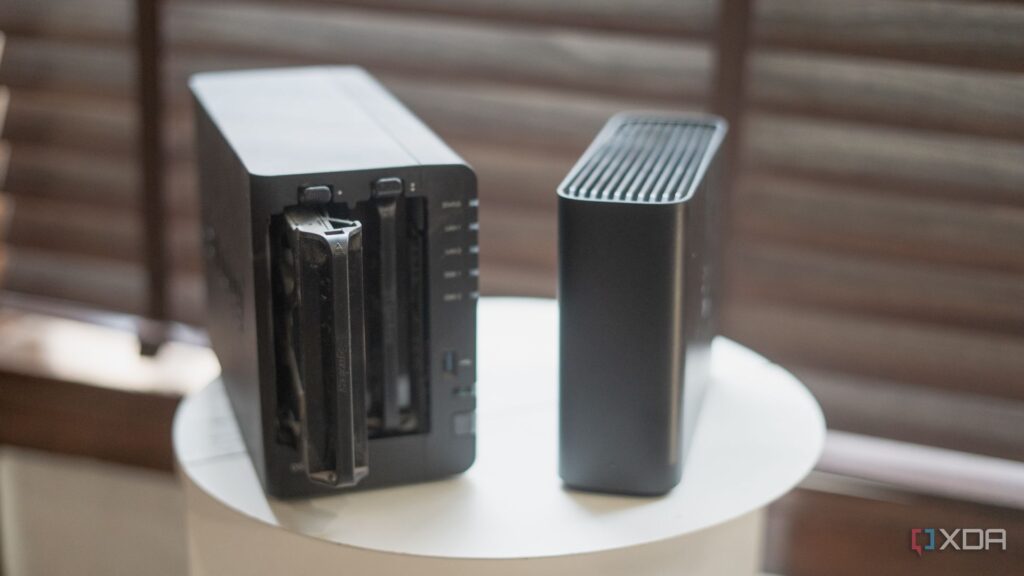
UPDATE: New insights reveal critical misconceptions surrounding Network Attached Storage (NAS) systems that could jeopardize your data security. Users are urged to rethink their strategies NOW to prevent potential disasters.
Many NAS owners mistakenly believe that once their system is set up, the hard work is over. However, ongoing issues can lead to devastating data loss, with the majority of failures arising from minor, everyday problems rather than major hardware malfunctions. This urgent warning highlights the necessity of adopting a robust maintenance routine.
IMMEDIATE IMPACT: If you own a NAS, your data could be at risk. Understanding and addressing common misconceptions is essential for safeguarding your information, especially as reliance on digital storage increases across homes and businesses.
1. **RAID is Not a Backup**: Users often think that having a RAID setup guarantees complete data protection. However, RAID systems are primarily designed to keep your NAS operational in case of a drive failure. They can mirror mistakes and preserve corrupted data. A solid backup strategy, including off-site backups, is crucial to ensure data integrity.
2. **Drive Failures Are Unpredictable**: Users frequently believe they will receive clear warnings before a drive fails. While NAS devices provide health indicators and alerts, not all failures are announced. Some may present subtle signs, like unusual noises or degraded performance. Regular monitoring is essential to catch these issues before they escalate.
3. **Monitoring Habits Deteriorate**: Initially, users may frequently check their NAS dashboards, but this habit often fades. Alerts can seem non-urgent until it’s too late. Establishing a consistent routine for checking logs and notifications is vital for early detection of potential problems.
4. **Off-Site Backups are Essential**: Many users underestimate the value of off-site backups, thinking personal files do not warrant the added complexity. However, losing critical data can result in irretrievable memories and time-consuming recovery efforts. Connecting your NAS to a cloud service for routine backups is highly recommended.
5. **Stability is Deceptive**: After a period of reliable operation, users may develop a false sense of security regarding their NAS. Past performance does not guarantee future reliability. Simple oversights, like weak passwords or lacking two-factor authentication, can leave your data vulnerable.
WHAT’S NEXT: Experts advise that users must remain vigilant and proactive in their data protection strategies. Regularly revisiting and reinforcing backup plans, monitoring habits, and security measures can significantly reduce the risk of catastrophic data loss.
Don’t wait for a failure to occur. Act now to ensure your NAS is as secure and reliable as you believe it to be. Stay informed, prepared, and proactive to make the most of your NAS for years to come. Share this urgent message with fellow NAS users to help protect their data today!