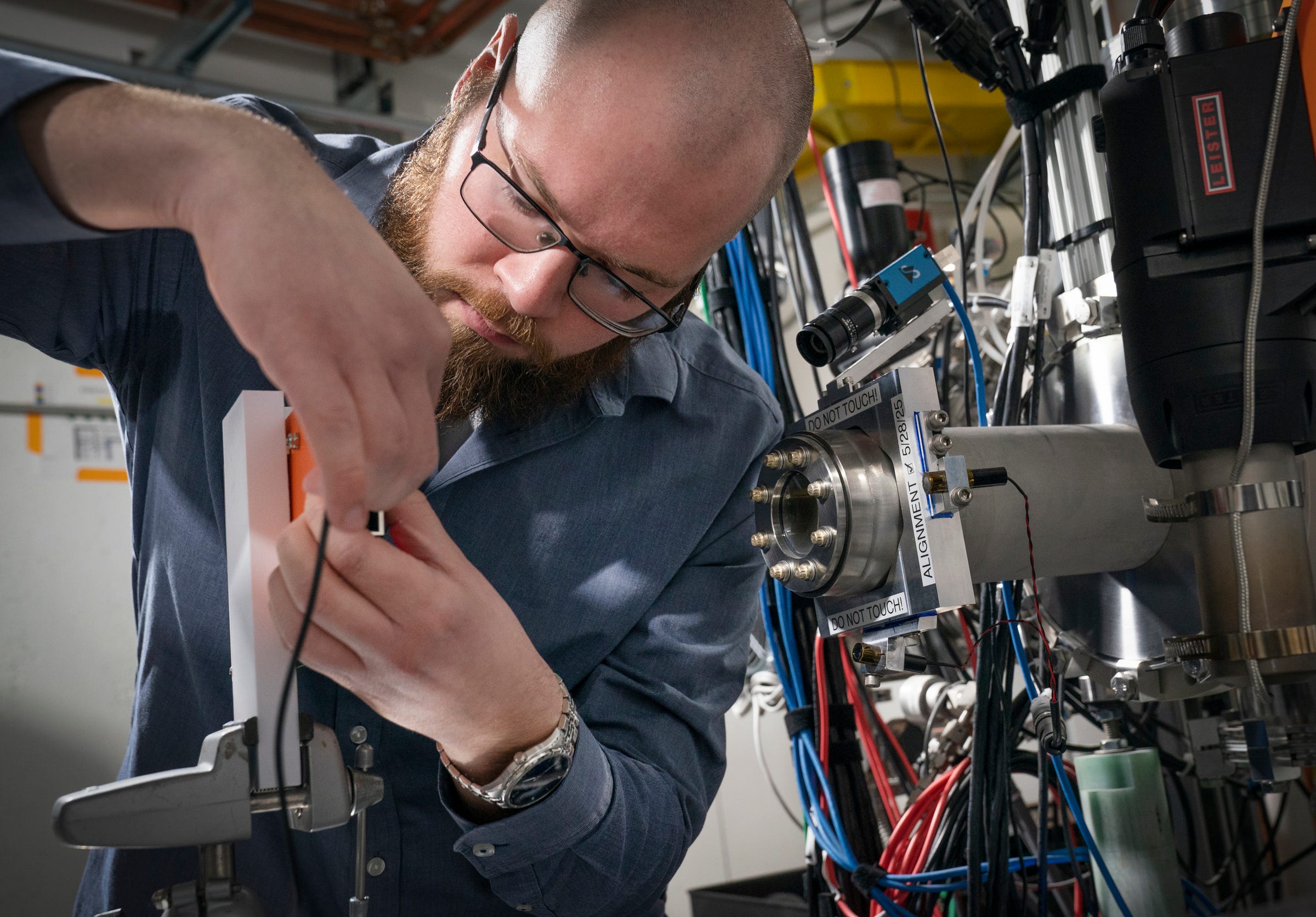
Researchers at the Johns Hopkins Kimmel Cancer Center have made significant advances in cancer treatment with the development of a new therapy aimed at T-cell lymphomas and leukemias. This targeted approach specifically addresses TRBC2-positive T-cell cancers, building on a precision medicine strategy introduced in 2024 for treating TRBC1-positive tumors.
The innovative therapy represents a crucial step forward in the ongoing battle against these aggressive forms of cancer. By focusing on the unique characteristics of TRBC2-positive cells, researchers aim to enhance treatment effectiveness while minimizing harm to healthy tissues. This precision targeting aligns with a broader trend in oncology, where treatments are increasingly tailored to the genetic profiles of individual tumors.
Advancements in T-Cell Cancer Treatment
The research team, based at the Ludwig Center within the Johns Hopkins facility in Baltimore, Maryland, utilized cutting-edge techniques to identify and selectively inhibit the pathways that drive the growth of TRBC2-positive cancers. This method not only addresses the immediate needs of patients but also opens doors for future therapies targeting various subtypes of T-cell malignancies.
According to the study published in a peer-reviewed journal, the new therapy demonstrated promising results in preclinical models, indicating a potential for improved patient outcomes. The researchers emphasized that this treatment could significantly alter the landscape of care for patients suffering from these challenging cancers.
The precision approach taken by the researchers reflects a growing understanding of the molecular bases of cancer. By focusing therapy on specific markers, such as TRBC2, oncologists can better manage the disease and reduce the side effects commonly associated with traditional chemotherapy treatments.
Future Implications for Cancer Treatment
The implications of this research extend beyond immediate treatment benefits. As the understanding of T-cell cancers evolves, it paves the way for the development of personalized medicine strategies that could eventually lead to cures for previously untreatable forms of the disease.
Moreover, this breakthrough highlights the importance of continued funding and support for cancer research initiatives. The collaborative efforts at the Johns Hopkins Kimmel Cancer Center and the Ludwig Center underscore the need for interdisciplinary approaches in tackling complex health challenges.
As additional research and clinical trials progress, the global medical community eagerly awaits the potential rollout of this therapy in clinical settings. The hope is that with effective targeted treatments, patients facing T-cell lymphomas and leukemias will experience not only extended survival rates but also improved quality of life.
In summary, the development of this targeted therapy marks a promising advancement in the fight against T-cell cancers, offering new hope for patients and redefining treatment possibilities. The focus on precision medicine reflects a transformative shift in how cancers are treated, setting a precedent for future innovations in oncology.