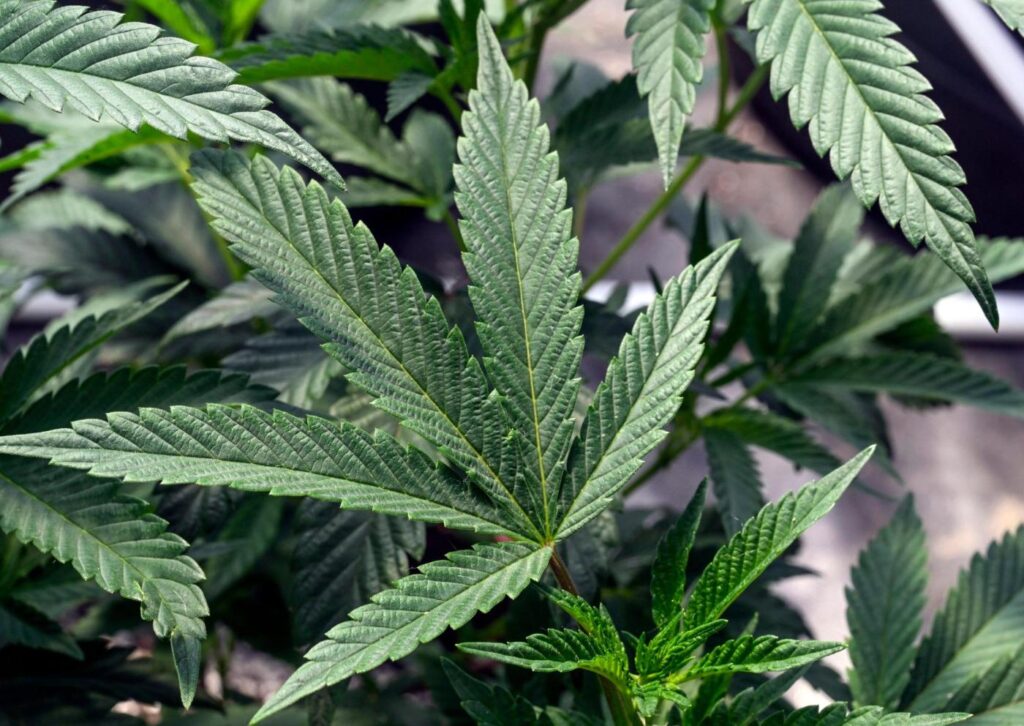
President Donald Trump has initiated a significant shift in cannabis policy with his recent executive order to reclassify marijuana as a less dangerous substance. This decision, announced on December 23, 2023, will primarily benefit the cannabis industry rather than consumers who may seek improved access to the drug. Industry analysts warn that this reclassification may encourage more individuals to use marijuana despite the ongoing debate regarding its medical efficacy and potential health risks.
The Centers for Disease Control and Prevention (CDC) estimates that approximately three in ten marijuana users may develop an addiction. Critics argue that the reclassification does not equate to an endorsement of its safety, as research on the drug’s medical benefits remains limited. While there are exceptions, such as certain treatments for epilepsy, the broader medical community largely emphasizes the potential harms associated with marijuana use.
One of the most significant implications of this reclassification is the financial windfall it presents to the cannabis industry. Companies in this sector, including major players like Trulieve, stand to gain from new tax advantages and enhanced opportunities for capital investment. The reclassification could lead to increased revenue streams and spur further growth within the sector.
Moreover, the financial ties between the cannabis industry and political figures have drawn scrutiny. Notably, Trulieve has been a substantial contributor to Trump’s political endeavors, donating $1 million to his inaugural committee and a similar amount to MAGA Inc., a pro-Trump super PAC. These contributions raise questions about the influence of corporate funding in shaping policy decisions, especially given the significant financial interests at play.
In light of these developments, it is essential to consider the broader implications for public health and regulation. While the cannabis industry may see immediate benefits, the long-term effects on public health and safety remain uncertain. As President Trump continues to navigate the complexities of cannabis policy, stakeholders will be closely monitoring the financial and societal outcomes of this reclassification.
Beryl Rosenstein, a resident of Pikesville, expressed concerns over the motivations behind the reclassification, suggesting that the primary beneficiaries are not the users but rather the industry itself. This commentary highlights a sentiment shared by many who fear that such policy changes prioritize corporate interests over public welfare.
The conversation surrounding marijuana reclassification is likely to evolve as stakeholders from various sectors weigh in on its implications. As the cannabis industry grows and adapts to new regulations, the potential for both positive and negative outcomes will remain a topic of considerable public interest.