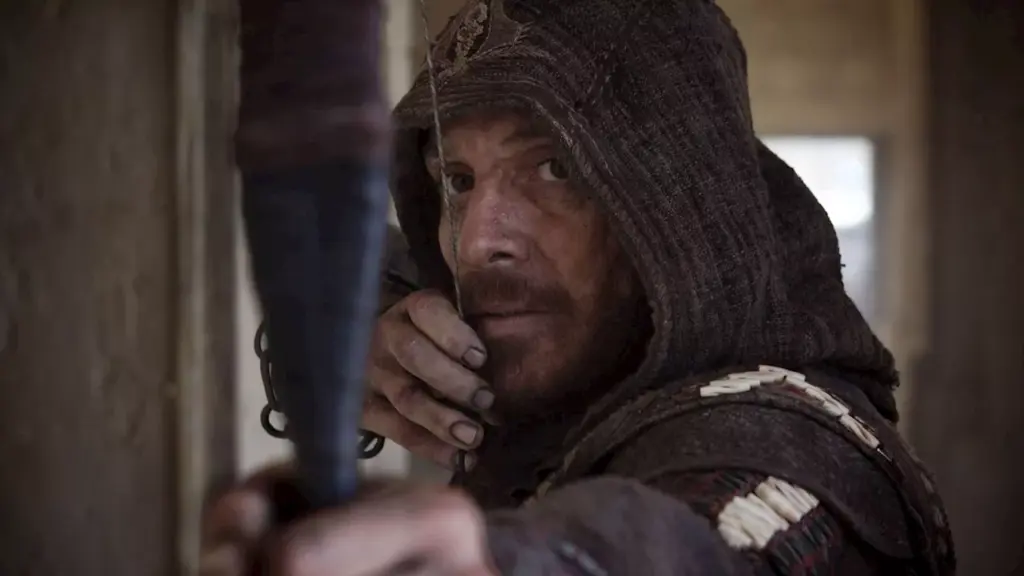
Netflix is set to produce a new adaptation of the popular Assassin’s Creed video game franchise, providing a potential path for redemption following the franchise’s previous cinematic misstep. The 2016 film adaptation, which cost approximately $240 million, received widespread criticism and failed to resonate with audiences. As Netflix prepares to bring the iconic narrative to television, there is hope that this new series can capture the essence of the games more effectively.
Reviving a Beloved Franchise
The Assassin’s Creed franchise has enjoyed considerable success in the gaming world, boasting a main series of 14 games that have garnered a dedicated fan base. Yet, adaptations of video games have historically struggled to translate well to the screen. The upcoming series, announced in July 2025, marks Netflix’s entry into the growing trend of video game adaptations, joining the ranks of successful titles like Castlevania and Arcane.
While specific details about the series remain sparse, casting announcements have generated interest, with actors such as Laura Marcus, Zachary Hart, Lola Petticrew, and Toby Wallace confirmed for undisclosed roles. The creative team includes Robert Patino, known for his work on Westworld and Sons of Anarchy, and David Weiner, who has contributed to Halo and The Killing.
The official description provided by Netflix indicates that the series will focus on “the secret war between two shadowy factions,” a theme familiar to fans of the franchise. This premise allows for a broad exploration of historical narratives intertwined with the present-day storyline, providing ample material for a longer format.
A Format Better Suited for Storytelling
Unlike the previous film, a television series format offers the opportunity to delve deeper into the rich lore of Assassin’s Creed. The franchise’s unique premise—where modern characters experience the memories of their ancestors—creates a narrative structure that could benefit significantly from episodic storytelling.
In video games, players encounter historical figures at pivotal moments, enriching the experience with a blend of fiction and reality. A series could take viewers through significant events like Renaissance Italy, the Crusades, or the American Revolutionary War, providing a more comprehensive view of the complex narrative involving the Templars and Assassins.
The potential for character development and nuanced storytelling in a television format appears promising. By dedicating time to both modern and historical arcs, Netflix may be able to craft a series that resonates with both existing fans and newcomers to the franchise.
As anticipation builds for the release of the Assassin’s Creed series, the stakes are high for Netflix to deliver a product that not only redeems the franchise but also sets a new standard for video game adaptations in general. The series has the potential to bridge the gap between gaming and television, reimagining a beloved narrative for a new audience.