A significant challenge looms over the future of artificial intelligence (AI): the energy demands of advanced AI models. Training a single model can consume more electricity than the annual usage of 120 U.S. homes. As the global adoption of AI accelerates, projections indicate that data center energy demand could double by 2030. This surge in demand confronts the limitations of terrestrial power generation, raising urgent questions about how to sustainably fuel the technological advancements that lie ahead.
The founder of the holistic biotech platform Holiverse, Lado Okhotnikov, emphasizes the gravity of this issue. He states, “The problem is becoming especially urgent now, as AI is advancing rapidly and its energy demands are growing just as fast.” Okhotnikov’s work focuses on integrating human biology and technology, highlighting the need for a comprehensive approach to energy sourcing that prioritizes human well-being and existing industries.
Many experts point to renewable energy as the current solution. Okhotnikov acknowledges the strides made in this area, noting, “Renewable energy collected on Earth is no longer a fantasy: many countries are actively transitioning to it.” Wind, solar, and geothermal energy are essential components of this transition. However, these sources face inherent limitations, such as geographical constraints and the intermittent nature of solar and wind energy, which can restrict their capacity to support a continuously learning global AI ecosystem.
Given these challenges, a pivotal question arises: what comes next? Visionaries like Okhotnikov argue that the answer lies beyond Earth. He asserts, “Very soon, we will have to look to space—because the future, without question, belongs there.” This perspective introduces the concept of Space-Based Solar Power (SBSP).
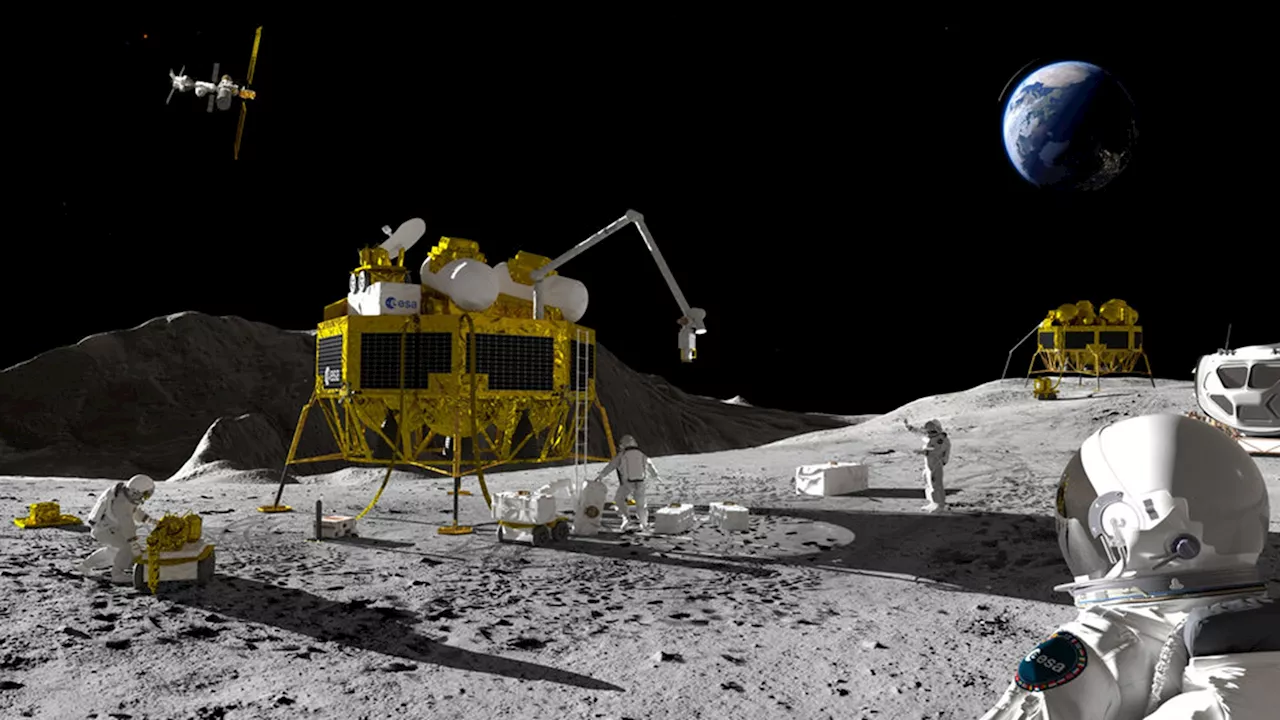
Imagine large, lightweight solar arrays positioned in geostationary orbit, capturing unfiltered sunlight around the clock. These systems would convert the energy and transmit it wirelessly—using safe, low-intensity microwaves or lasers—to receiving stations on Earth. The outcome is a reliable source of baseload, carbon-free power that could be delivered to any location globally.
This is not a mere vision; organizations such as the European Space Agency and NASA are actively conducting feasibility studies on SBSP. A 2025 analysis of the European energy grid suggested that such systems could provide the stable foundation that intermittent renewable sources cannot. Okhotnikov remarks, “The solar power we can collect here on Earth is only a tiny fraction of what is available in space.” He believes this presents a vast opportunity for innovation, which Holiverse is poised to explore.
Holiverse is investigating potential designs and collaborations to align future AI infrastructure with energy generated in space. Okhotnikov describes this endeavor as ambitious yet achievable, stating, “We are developing technologies capable of powering the next era of AI.” He emphasizes the importance of collaboration among leading experts in the field to bring this vision to fruition.
The journey to harness solar energy from space is fraught with challenges, including international governance, orbital construction, transmission efficiency, and launch costs. Despite these hurdles, advancements in materials science and the development of reusable rockets have transformed these challenges into solvable engineering and diplomatic issues.
The implications of successfully integrating SBSP into the global energy landscape are profound. By freeing AI from the constraints of terrestrial energy sources, researchers could significantly expand their capabilities. A sustainable energy network powered by space-based solar power could facilitate massive computational workloads essential for breakthroughs in material science, personalized medicine, and climate prediction.
As this vision unfolds, it becomes clear that the future of AI is inextricably linked to how we choose to power it. The energy allocation for AI will shape its evolution, potentially redefining the boundaries of intelligence. From Holiverse to the various specialists rethinking energy and governance, there is a consensus: to genuinely advance AI, humanity must look skyward, tapping into the sun’s limitless energy as a pathway to the next major leap in artificial intelligence.