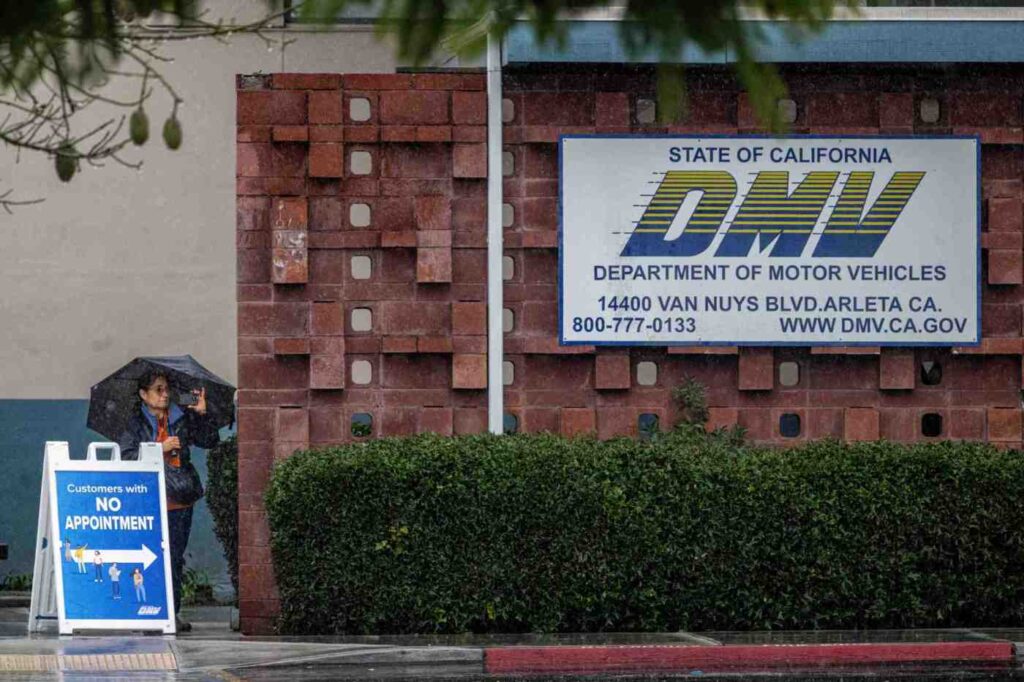
Changes regarding the renewal of driver’s licenses for older adults in California have been clarified by the Department of Motor Vehicles (DMV). Starting January 1, 2024, older drivers need to understand the specific requirements they must meet when renewing their licenses.
Carole Ottosen from Riverside inquired whether individuals over a certain age would be required to take an in-person driving test to renew their licenses. Ronald Ongtoaboc, a spokesperson for the DMV, confirmed that there is no age limit that mandates an on-road driving test for license renewals. According to the California Vehicle Code, specifically section 12814 (a), age alone cannot justify a requirement for examination of driving ability.
While the DMV does not impose an automatic driving test for older adults, it retains the authority to restrict driving privileges for any individual, regardless of age, if they demonstrate unsafe driving behaviors. Concerns regarding a driver’s capability can arise from law enforcement agencies or community members, prompting a reevaluation of that individual’s driving skills. For further information, the DMV provides resources on its “Potentially Unsafe Driver” page.
California drivers aged 70 and older are required to renew their licenses in person at a DMV office every five years. During this process, they must pay an application fee, undergo a vision test, have a new photo taken, and provide a thumbprint. If a driver’s record contains issues, such as multiple violations, they may also be required to complete a knowledge test. Renewal notices will clearly indicate if a knowledge test is necessary.
In addition to these driver’s license updates, a new law aimed at enhancing consumer protection for car buyers will take effect on October 1, 2026. Known as the California Combating Auto Retail Scams Act, this legislation aims to ensure greater transparency and fairness in vehicle purchases.
The Act imposes stricter regulations on car dealers, requiring them to provide accurate information in advertising and sales practices. Misrepresentation of vehicle sales, leases, or financing will be prohibited. Advertisements and price quotes must clearly outline the total cost of the vehicle, while non-essential add-on products will be banned. Furthermore, businesses will need to retain all advertising and contract records for at least two years, facilitating oversight and accountability.
For used car purchases, the new law grants consumers a three-day return period for vehicles priced under $50,000 that have fewer than 400 miles added since the purchase and have not incurred any damage. While dealers may charge a restocking fee of up to $600, this is capped at 1.5% of the sale price, providing some financial relief for buyers who change their minds.
As California residents navigate these updates, the DMV remains a vital resource for information on driving regulations and consumer rights. For residents of the Inland Empire or anyone with questions about driving, freeways, toll roads, or parking, contacting the DMV or visiting their website can provide the necessary guidance.