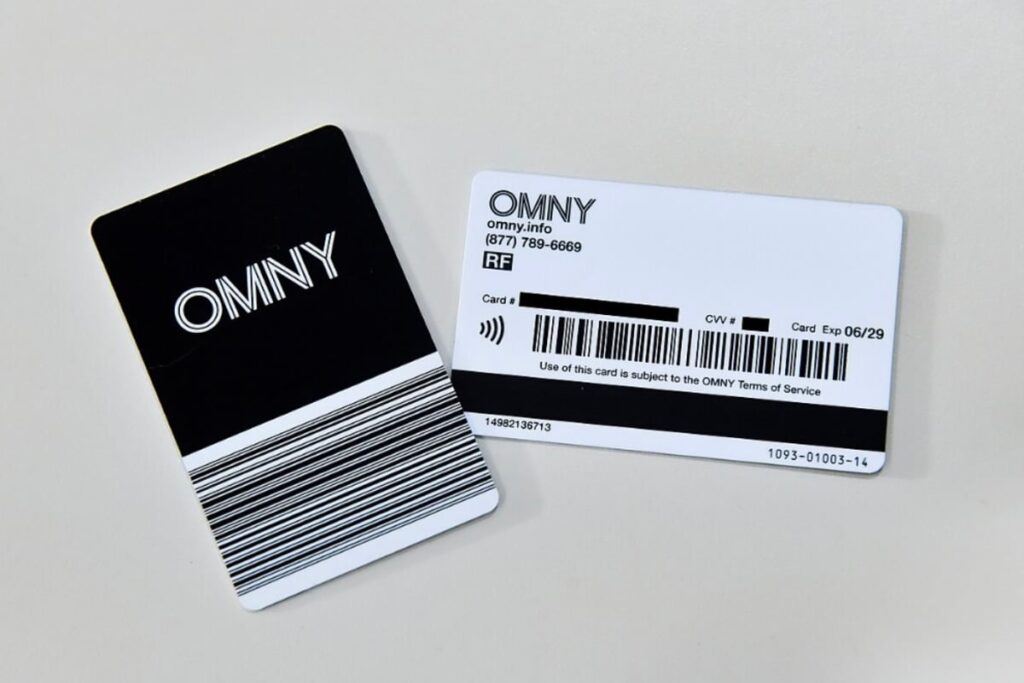
The New York Metropolitan Transit Authority (MTA) is transitioning from the MetroCard system to the new OMNY (One Metro New York) fare system, causing significant challenges for seniors and disabled riders. As the MTA prepares to retire the MetroCard by January 1, 2024, many users are struggling to adapt to the new technology, with reports of difficulties in transferring balances and concerns about security.
At a recent outreach event, Pat and Chick Schissel, an elderly couple, shared their frustrations regarding the transfer of their MetroCard balances to OMNY cards. They are part of approximately 1.5 million individuals enrolled in the MTA’s discount program who are navigating the complexities of this transition. The Schissels’ experience highlights broader issues faced by older adults, who may find the new system challenging due to mobility and technological barriers.
Concerns extend beyond the technical aspects of the transition. Beth Childs, an 86-year-old resident of Midtown, expressed apprehension about potential security risks associated with linking her OMNY card to her bank or credit account. “I don’t want a card linked to my checking account or linked to my credit card that can possibly be lost or stolen and my account drained,” Childs stated.
Advocacy groups have raised alarms about the impact of this shift on disabled individuals who previously depended on paper vouchers for their Access-A-Ride trips. The new tap-to-pay system may prove to be an obstacle for these users, as they adjust to the changes imposed by the MTA.
To facilitate the transition, the MTA has organized multiple outreach events aimed at assisting New Yorkers in transferring their MetroCard balances to OMNY cards. According to the New York Post, these in-person services are vital because there is currently no option for digital balance transfers. The MTA advises users to transfer their balances before their MetroCards expire, although balances remain eligible for transfer or reimbursement for up to two years after the expiration date printed on the card.
MTA spokesperson Michael Cortez emphasized that 94% of reduced-fare trips are now paid using OMNY, highlighting that the new system offers greater access, flexibility, and fare management options compared to the MetroCard. Despite this, a substantial number of users have yet to make the switch.
OMNY cards can be obtained at subway station vending machines, select retail stores, and they can also be reloaded online through a registered account. The New York Post and other reputable sources have provided detailed schedules for balance transfers, ensuring users have the necessary information to make the transition before the MetroCard is fully retired.
As the MTA embarks on this technological shift, the authority faces the dual challenge of implementing the new system while ensuring that all riders, particularly older adults and individuals with disabilities, can access and navigate it effectively. The transition to OMNY represents a significant change in New York’s public transportation landscape, and how the MTA addresses these issues will be crucial in determining its success.