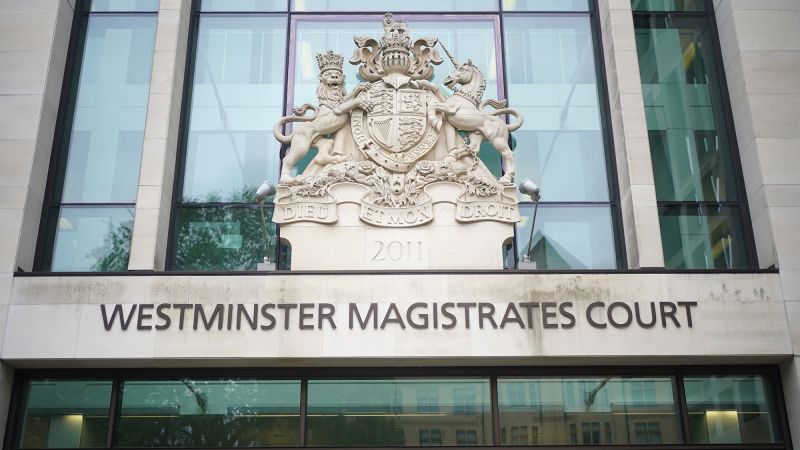
The UK Government is proposing significant changes to the long-standing right to jury trials for certain crimes in response to a severe backlog within the criminal justice system. According to Justice Secretary David Lammy, a new tier of jury-free courts will be introduced to expedite cases involving defendants facing sentences of up to three years for crimes such as fraud, robbery, and drug offenses. This reform aims to address the growing number of cases waiting for trial, which currently stands at nearly 80,000 and is projected to reach 100,000 by 2028.
The proposed reforms will not affect serious crimes like murder, sexual assault, or human trafficking, which will continue to be tried by jury. This change, however, has sparked considerable debate among legal experts, politicians, and victims’ advocates, with many expressing concerns about potential impacts on the fairness of trials.
Impact of Court Backlog and Proposed Changes
The backlog in the UK’s Crown Courts has become a pressing issue, with some victims waiting up to four years for their cases to be heard. A report from the Victims’ Commissioner highlights a strained criminal justice system, with significant delays affecting victims of sexual offenses. “The police told me that the CPS (Crown Prosecution Service) were unlikely to prosecute an assault I reported, despite clear evidence,” one victim recounted, emphasizing the frustration felt by many.
In response to the proposed reforms, Sarah Sackman, Minister of State for Courts and Legal Services, noted the distressing wait times for victims. During a speech in the House of Commons, she stated that “justice delayed is justice denied,” underscoring the urgency of addressing the backlog.
Opposition and Concerns Over Jury Trials
Despite the government’s rationale for the reforms, opposition has emerged from various political groups and legal professionals. Robert Jenrick, Shadow Justice Minister, labeled the proposal a “disgrace” that threatens an “ancient right.” The right to a jury trial in the UK is deeply rooted in history, dating back to the Magna Carta of the 13th century.
Critics argue that jury trials serve as a critical safeguard against discrimination and biases. A 2017 independent review led by David Lammy found evidence of racial bias in the justice system, concluding that jury trials are more likely to result in fair outcomes. “With the jury system, you are tried by your peers, which encompasses different ethnicities and backgrounds,” explained Lachlan Stewart, a criminal barrister in Birmingham. In contrast, judges often come from more homogenous backgrounds, raising concerns about impartiality.
While some advocates for reform suggest that the system needs to evolve, others argue that increasing funding for the judiciary would better address the crisis. A group of 39 Labour Party backbenchers recently urged Prime Minister Keir Starmer to reconsider the proposed changes, suggesting that more court sitting days could alleviate the backlog without compromising the right to a jury trial. They pointed out that there are approximately 130,000 sitting days available, yet current restrictions limit this by 20,000 annually.
As the debate continues, the potential implications of these reforms remain a focal point for discussions about justice and fairness in the UK. Advocates for victims of sexual offenses, such as Rape Crisis England & Wales, have highlighted the flaws in the current system and stressed the need for urgent change. They have suggested piloting juryless trials for sexual offenses, emphasizing that the existing process often causes additional trauma to survivors.
The situation highlights the delicate balance between ensuring timely justice and upholding fundamental rights within the legal system. As the UK navigates this complex landscape, the outcomes of these proposed reforms will be closely monitored by all stakeholders involved.