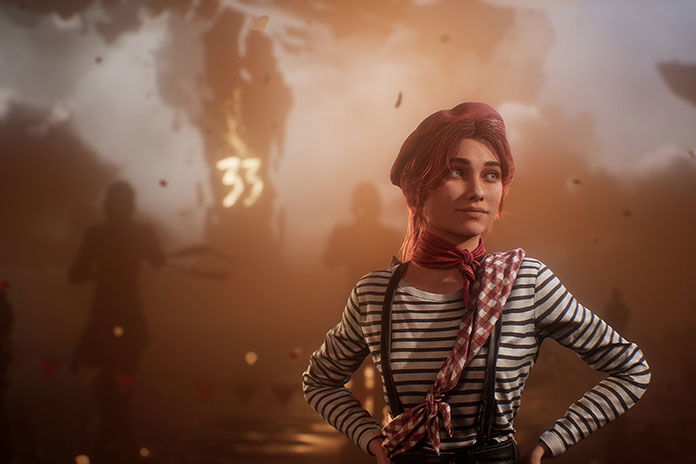
The acclaimed indie game “Clair Obscur: Expedition 33” has faced significant backlash following its disqualification from the Indie Game Awards due to its use of artificial intelligence (AI) during development. The decision came just days after the game secured multiple awards, including the coveted title of Game of the Year. In a surprising turn of events, the award was subsequently reassigned to “Blue Prince.”
The controversy began when the Indie Game Awards committee announced that any use of generative AI, regardless of scale, disqualifies a title from eligibility. As reported by The India Times, this rule applies to any phase of game development. While Sandfall Interactive, the developer behind “Clair Obscur,” emphasized that the final version contained no AI-generated assets, one co-founder acknowledged that “limited AI tools had been used very early in development to speed up experimentation.”
The disqualification has ignited a broader debate regarding the ethics of AI in game development. Supporters of “Clair Obscur” have labeled the decision as “unjust,” while others, including members of the awards group Six One Indie, maintain that the committee acted within its rights. The incident has raised questions about where the industry should draw the line on AI utilization, particularly in indie development.
In a statement issued via Reddit, Sandfall clarified its position on AI use. The company confirmed that AI was briefly employed to create “temporary placeholder textures.” Some of these textures unintentionally made it to the final product but were corrected within five days of the game’s release. The developer expressed disappointment over the disqualification but acknowledged the need for clarity in the rules surrounding AI use.
The controversy did not end with the awards disqualification. Speculation arose that “Blue Prince” might have also utilized generative AI. However, the developers of “Blue Prince” firmly denied these allegations, stating unequivocally that no AI was involved in their game’s creation.
Despite the backlash, the overall sentiment toward “Clair Obscur: Expedition 33” remains positive among its fanbase. Gamers continue to celebrate its stunning visuals and captivating storytelling, which have resonated widely within the gaming community.
The debate over AI in gaming development is ongoing, with discussions proliferating across social media platforms. Many are contemplating whether the ends justify the means, particularly when a game garners critical acclaim. As the industry grapples with the implications of AI technology, the fallout from this incident may prompt a reevaluation of existing rules and practices in game development.
As the gaming landscape evolves, the case of “Clair Obscur: Expedition 33” serves as a crucial touchpoint in the ongoing dialogue about the role of AI in creative processes. The community’s response to this incident may shape future regulations and influence how indie developers navigate the complex terrain of innovation and ethics in gaming.