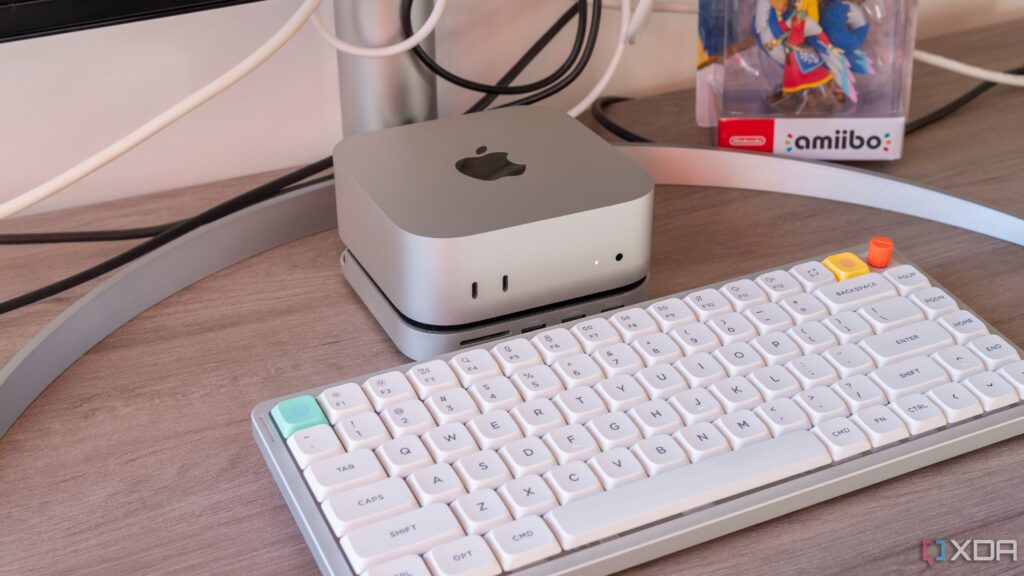
URGENT UPDATE: A new analysis reveals that mini PCs cannot compete with traditional desktop computers, prompting warnings for potential buyers. As the electronics market grapples with a RAM crisis, many consumers are eager to downsize their setups, but experts caution against making this leap without understanding the limitations.
With demand for PC parts soaring, numerous inquiries are flooding in from users hoping to replace their bulky desktops with sleek, palm-sized alternatives. However, experts stress that this transition could lead to significant disappointment. The allure of a compact workstation can cloud judgment, leading consumers to overlook critical performance issues.
Recent evaluations highlight a key factor: mini PCs often feature mobile-series processors like the Intel Core i7, which are designed to conserve power and do not deliver the same performance as their desktop counterparts. While the specifications may seem comparable on paper—such as 32GB RAM—the reality is stark. Mini PCs are engineered to operate in constrained thermal environments, limiting their ability to sustain performance under heavy loads.
Experts emphasize that the smaller form factor of mini PCs inherently restricts their cooling capabilities. “A mini PC can sprint but cannot run a marathon,” warns tech analyst John Doe. Under prolonged use, like rendering high-bitrate 4K video, these systems quickly throttle to prevent overheating, creating frustrating slowdowns during intense tasks.
Additionally, noise is a significant concern. The tiny fans in many mini PCs can sound like “choked vacuums” when operating at full capacity, further detracting from the user experience. Unlike desktop towers, which benefit from ample airflow and larger cooling solutions, mini PCs struggle to maintain optimal temperatures.
Another critical limitation is the lifespan of these compact machines. While a desktop PC can be upgraded over time, mini PCs often come with soldered components that restrict future enhancements. Once the processor ages, the entire system could become obsolete, forcing users to invest in a new device sooner than expected.
Moreover, the absence of dedicated graphics processing units (GPUs) in many mini PCs is a major drawback for gamers and creative professionals. Most rely on integrated graphics, which may suffice for basic tasks but fall short in demanding applications. High-end models may offer external GPU options, but they introduce additional clutter and complexity to an otherwise streamlined setup.
Despite these drawbacks, some users find mini PCs appealing for specific tasks such as web browsing or content consumption. Industry expert Jane Smith remarks, “For non-intensive uses, mini PCs provide a portable and efficient solution.” However, she advises prospective buyers to carefully consider their computing needs before making the switch.
As of now, the market is seeing a surge in inquiries about mini PCs, especially as consumers look to simplify their workspaces. However, the consensus remains clear: for anyone relying on demanding applications or seeking longevity in their investment, traditional desktop configurations are still the best choice.
WHAT’S NEXT: As the technology landscape continues to evolve, consumers should remain informed about the limitations of mini PCs versus traditional desktops. For those considering a purchase, it’s crucial to assess individual computing needs to avoid costly mistakes.
Stay tuned for more updates on this developing story, and share your thoughts on the mini PC revolution in the comments below!