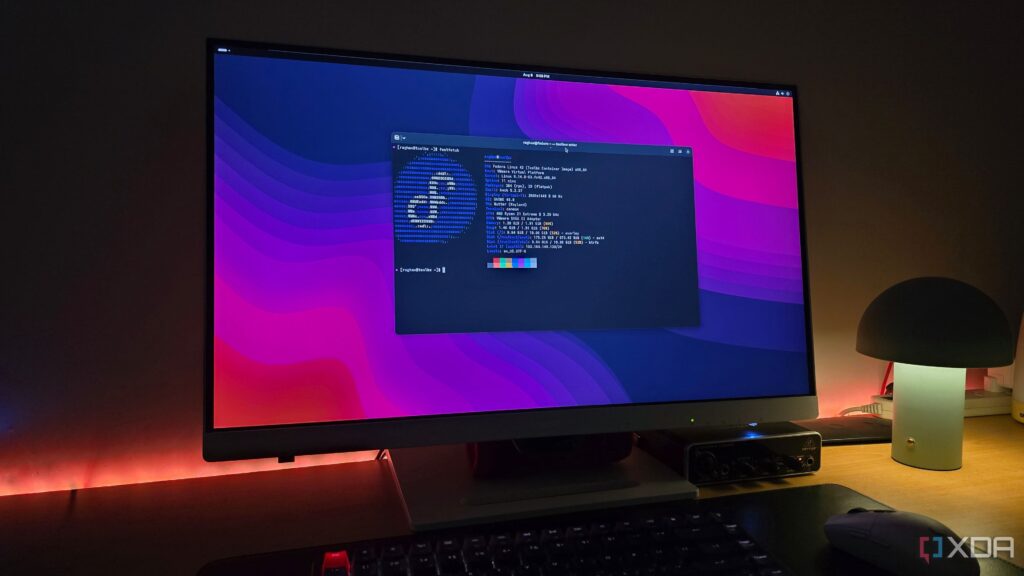
The release of Fedora Silverblue marks a significant milestone in the evolution of Linux distributions. Designed to provide a more stable and modern experience, Fedora Silverblue offers a glimpse into the future of Linux, showcasing innovative features that set it apart from traditional systems.
One of the most notable aspects of Fedora Silverblue is its emphasis on immutability. This approach means that the core operating system remains unchanged, while applications and updates are managed separately. This separation enhances security and reliability, as users can confidently install applications without risking the integrity of the entire system.
Innovative Features Enhance User Experience
Fedora Silverblue utilizes OSTree technology, which allows for efficient management of system updates. This method enables users to roll back to previous versions if issues arise, providing a safety net that is especially beneficial for developers and system administrators. The user interface is also designed to be intuitive, making it accessible even for those new to Linux.
In addition, Fedora Silverblue supports containerized applications through Flatpak. This feature allows users to run applications in isolated environments, reducing the risk of conflicts between software packages. As the demand for applications that can run across various platforms grows, this capability is becoming increasingly important.
A Step Toward the Future of Computing
The vision behind Fedora Silverblue is to create a more predictable and efficient computing environment. The developers aim to streamline the user experience while prioritizing stability and security. With the increasing complexity of software ecosystems, solutions like Fedora Silverblue could represent a turning point in how users interact with their systems.
The feedback from early adopters has been positive, with many praising its performance and ease of use. As the technology landscape continues to change, Fedora Silverblue stands out as a potential model for future Linux distributions. Its innovative features could set a new standard for what users can expect from their operating systems.
In conclusion, Fedora Silverblue represents a forward-thinking approach to software development within the Linux community. By focusing on stability, security, and usability, it offers a glimpse into how operating systems may function in the coming years. As more users explore its capabilities, the impact of this distribution will likely be felt across the tech industry.