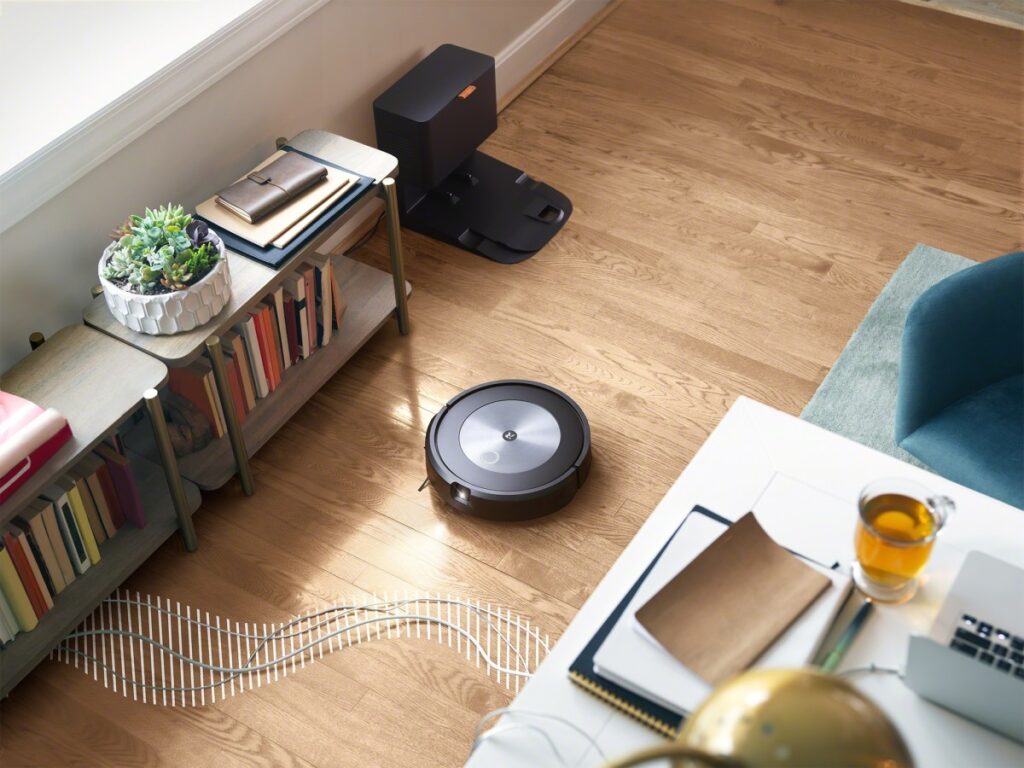
UPDATE: iRobot, the iconic maker of the Roomba vacuum, has officially filed for Chapter 11 bankruptcy, marking a shocking end to a legacy that has seen over 50 million robots sold since its inception in 2002. This devastating news comes just days after Amazon terminated its $1.7 billion acquisition bid, a decision influenced by an extensive investigation from the FTC and European regulators.
Colin Angle, iRobot’s founder, expressed his profound disappointment, calling the bankruptcy an “avoidable tragedy for consumers.” He cited the regulatory opposition as a significant factor in the company’s downfall. The acquisition was aimed at fostering innovation and expanding consumer choices in a competitive market.
In an exclusive interview, Angle detailed the overwhelming challenges of the 18-month regulatory scrutiny, describing it as a “torturous process” that hampered iRobot’s ability to operate effectively. “Over 100,000 documents were created and delivered, and our discretionary earnings were heavily invested in satisfying regulatory demands,” he said.
The FTC’s decision has sent shockwaves through the entrepreneurial community. Angle warned that this may deter future startups from seeking mergers and acquisitions as viable exit strategies. “Risk has a chilling effect. If you’re an entrepreneur, your only option is to hope it doesn’t happen again,” he added.
Founded on the promise of creating revolutionary robots, iRobot’s journey has been a rollercoaster of innovation and setbacks. The Roomba was eventually launched after a tumultuous development phase, but Angle reflects on how external factors, including market competition and regulatory hurdles, have shaped the company’s fate.
As iRobot navigates its bankruptcy proceedings, Angle remains hopeful. He is already planning a new venture in consumer robotics, focusing on developing emotionally intelligent robots for health and wellness applications. “It’s going to be awesome,” he said with renewed enthusiasm.
The implications of iRobot’s bankruptcy extend beyond the company itself, raising critical questions about the future landscape of tech startups and the role of regulatory bodies in shaping innovation. As Angle emphasizes, the current environment poses significant challenges for entrepreneurs who aspire to create the next big thing in technology.
Stay tuned for further updates on this developing story, as the repercussions of iRobot’s bankruptcy unfold across the tech industry.