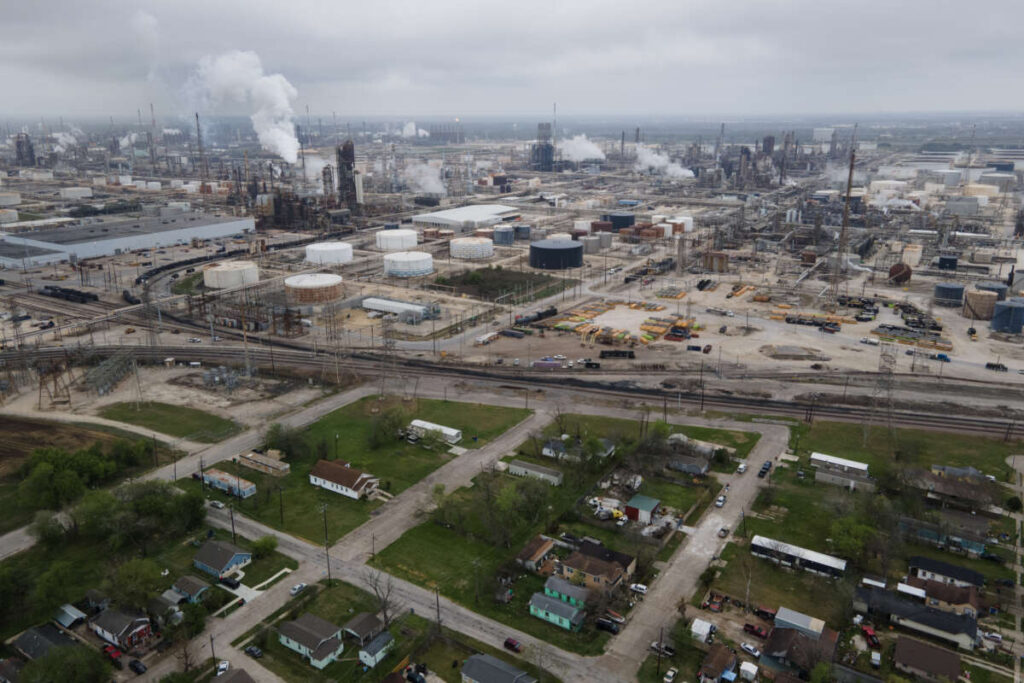
The Trump administration is seeking to dismantle a key environmental initiative that has provided the public with crucial data on greenhouse gas emissions. The Environmental Protection Agency (EPA) is proposing to end its Greenhouse Gas Reporting Program, which has mandated large industrial facilities to disclose their emissions since 2010. This move is viewed as a significant setback in the fight against climate change and a restriction on the public’s right to know about climate pollution.
Since its inception, the Greenhouse Gas Reporting Program has collected data from major polluters, offering transparency that is vital for environmental advocacy and policy-making. Researchers at the Political Economy Research Institute (PERI) at the University of Massachusetts Amherst have relied on this data to compile their annual Greenhouse Gas Emissions Index. The latest edition, released in 2025, highlights the ongoing contributions of the largest U.S. polluters, including significant players in the fossil fuel industry.
Impact of Proposed Regulatory Changes
The data compiled by PERI reveals that the top three greenhouse gas emitters are fossil fuel-based electricity providers: Vistra Energy, Southern Company, and Duke Energy. Collectively, these companies emitted approximately 235 million metric tons of CO2 equivalent in the previous year, representing nearly 4 percent of total U.S. greenhouse gas emissions. This figure includes all sources of emissions, not just industrial outputs.
The stability of these rankings demonstrates the entrenched nature of fossil fuel emissions in the U.S. economy. While changes can occur due to corporate mergers or facility sales, the overall trend shows little fluctuation among the top emitters. This consistency underscores the challenges of reducing greenhouse gas emissions without robust regulatory oversight.
The potential termination of the Greenhouse Gas Reporting Program raises concerns about the availability of reliable emissions data. Michael Ash, a professor at PERI, expressed apprehension about the impact of removing this program. He stated that the mandatory nature of the reporting has provided a clear and uniform view of emissions, which is invaluable for stakeholders aiming to hold corporations accountable.
Environmental Justice and Community Impact
The implications of greenhouse gas emissions extend beyond climate change; they intersect with issues of environmental justice. Communities of color often bear the brunt of pollution, as many major polluters are located near these populations. The analysis from PERI indicates that a significant number of emissions occur in areas where more than 50 percent of residents identify as people of color. This demographic reality highlights the urgent need for equitable policy measures that address both emissions and associated health risks.
The proposed changes come at a time when the Trump administration has also sought to roll back investments in clean energy and revive the coal industry. Such actions have raised questions about the future of corporate responsibility in addressing climate change. Without the EPA’s regulatory framework, there is concern that corporations will lack incentives to reduce their greenhouse gas emissions, potentially leading to increased pollution levels.
Despite these challenges, some states are pursuing legislative measures to hold corporations accountable for their climate impact. Initiatives like state-level Climate Superfund Bills aim to compel companies to address the costs associated with climate change. These legislative efforts, modeled after the Superfund program for hazardous waste, seek to establish a framework for financial responsibility among polluters.
The fight for environmental accountability is expected to intensify as activists navigate the changing landscape. The elimination of the Greenhouse Gas Reporting Program represents a significant barrier to information access, which is critical for advocacy and policy development. Moving forward, environmental groups and researchers will need to adapt to these changes while continuing to push for transparency and accountability in emissions reporting.
In conclusion, the Trump administration’s proposal to end the EPA’s Greenhouse Gas Reporting Program poses serious risks to public knowledge about climate pollution. The implications for environmental justice, corporate accountability, and the broader fight against climate change are profound, underscoring the need for continued vigilance and advocacy in this area.