A tragic series of shootings has reignited the debate over gun control in both the United States and Australia. On March 2, 2024, a gunman opened fire at Brown University in Providence, Rhode Island, killing two students and injuring nine others. The assailant used a 9-mm handgun, firing over 40 rounds in a location designated as a “no-gun zone.” Just a day later, a father-son duo carried out a brutal attack at a Jewish Hanukkah ceremony in Bondi Beach, Australia, resulting in the deaths of 15 individuals and injuries to 40 more.
The Bondi Beach incident marked Australia’s first mass shooting since the implementation of the National Firearms Agreement (NFA) in 1996, which followed a mass shooting that claimed 35 lives in Tasmania. This legislation introduced strict controls on firearms, including a mandatory buyback program that successfully collected nearly 700,000 weapons.
Despite these regulations, the recent attack has raised questions about the effectiveness of the NFA. The shooters were reportedly licensed to possess their firearms, which included handguns and rifles. Critics argue that loopholes in the regulations allow individuals with questionable backgrounds to acquire weapons easily.
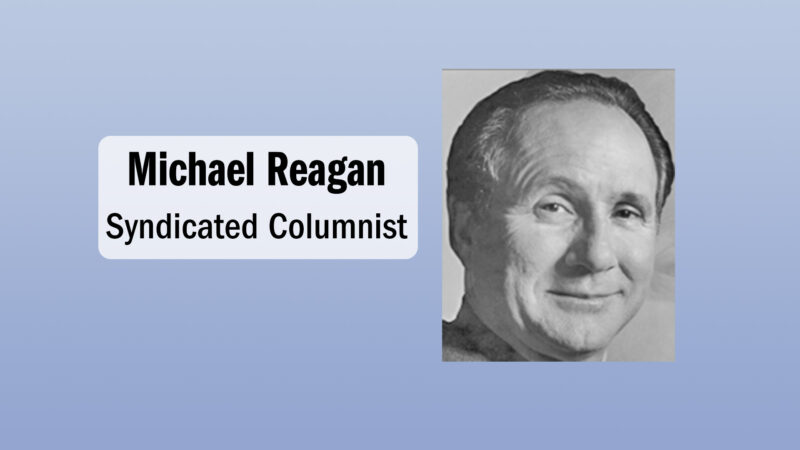
Michael Reagan, son of former U.S. President Ronald Reagan, addressed the contrasting gun control measures between the two countries. He highlighted that while Australia has a much lower overall murder rate—around 300 homicides annually compared to approximately 18,000 in the United States—the NFA’s success is often overstated. Reagan pointed out that there are now 4 million licensed gun owners in Australia, an increase of 800,000 since the NFA was enacted.
Reagan also noted that the most common weapon used in homicides in Australia is not a firearm but a knife. The debate surrounding gun control in the U.S. often escalates following mass shootings, but many argue that stricter laws similar to those in Australia would be ineffective due to the sheer number of guns in circulation—estimated between 400 million and 500 million.
As public outcry grows following the events in both countries, advocates for gun control in the U.S. have pointed to Australia’s model as a potential solution. However, Reagan contends that the realities of American society, including the widespread gun ownership and cultural attitudes towards firearms, make such comparisons misleading.
In the aftermath of these tragedies, the ongoing conflict over gun control laws continues to draw attention from both sides of the debate. The incidents have not only highlighted the complexities of gun legislation but have also prompted a reevaluation of existing laws and their enforcement. As discussions progress, the focus will likely remain on finding a balance between public safety and the rights of individuals to own firearms.