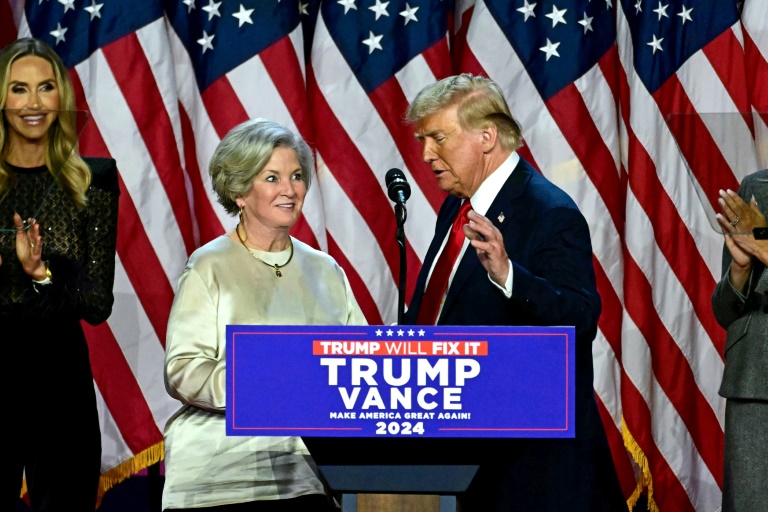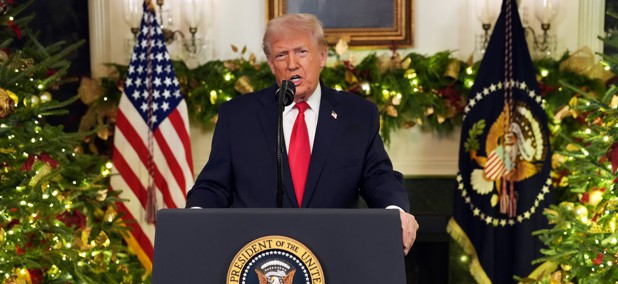
President Donald Trump announced a one-time payment of $1,776 to approximately 1.45 million military service members, branding the initiative as a “warrior dividend.” The payments, which will be sent before Christmas, are derived from Congressionally-allocated funds meant to supplement housing allowances for military personnel, according to a senior administration official.
During a prime-time television address, Trump expressed pride in the initiative, stating, “Think of that. And the checks are already on the way.” The funds are part of a broader allocation of $2.9 billion appropriated by Congress as part of the “One Big Beautiful Bill,” which is intended to enhance the Basic Allowance for Housing (BAH) for service members.
Details of the Warrior Dividend
The Department of Defense confirmed that the payment will be distributed to eligible service members, specifically those in the ranks of O-6 and below. This includes about 1.28 million active-duty members and 174,000 Reserve members who are on active-duty orders lasting 31 days or more as of November 30, 2025. The funding aims to provide direct financial support to military families, improving their housing and overall quality of life.
According to the official, Defense Secretary Pete Hegseth directed the Pentagon to allocate $2.6 billion in housing supplements. This decision comes as many service members have reported challenges in making the most of their BAH benefits, particularly amid fluctuations in the housing market.
A report released by the Rand Corporation on January 27 indicated that while the BAH is generally adequate, the rapidly changing housing market necessitates a reevaluation of the methodology used for calculating these allowances. The report stated, “BAH is generally adequate for Army personnel, though not necessarily when the housing market is changing rapidly and dramatically, as it has in recent years.”
Congressional Oversight and Concerns
Top Congressional leaders have voiced their expectations for the Pentagon to adhere to the spending guidelines outlined in the reconciliation bill. Senate Armed Services Chairman Roger Wicker, a Republican from Mississippi, has emphasized the importance of congressional oversight regarding the allocation of defense funds. He highlighted that much of the funding in the reconciliation bill is unspecific and will largely be at the discretion of the Defense Department.
Senator Jack Reed, the ranking Democrat on the Senate Armed Services Committee, has expressed skepticism about the Pentagon’s commitment to following Congress’s intended plans for the funds. He remarked, “Some of it will be consistent with what we’re doing, but some things, I think inevitably, will be their own initiatives, their own sense of what’s important, even if we don’t agree or don’t support it.”
Concerns over the reallocation of military funding have also arisen. Lawmakers such as Elizabeth Warren and John Garamendi recently highlighted a report showing that $2 billion has been diverted from the Defense Department and the Department of Homeland Security to fund border enforcement. This redirection has raised alarms regarding its impact on military infrastructure, including barracks, maintenance hangars, and elementary schools.
As the Pentagon prepares to implement these changes, service members and families await the promised payments, which aim to bolster their financial stability during challenging economic times. The Defense Department recently announced that BAH rates will increase by an average of 4.2 percent starting on January 1, 2026, further underscoring the ongoing need for adequate support for military personnel.
The administration’s focus on the “warrior dividend” highlights an attempt to acknowledge and reward the dedication of service members while navigating the complexities of military funding and housing allowances.