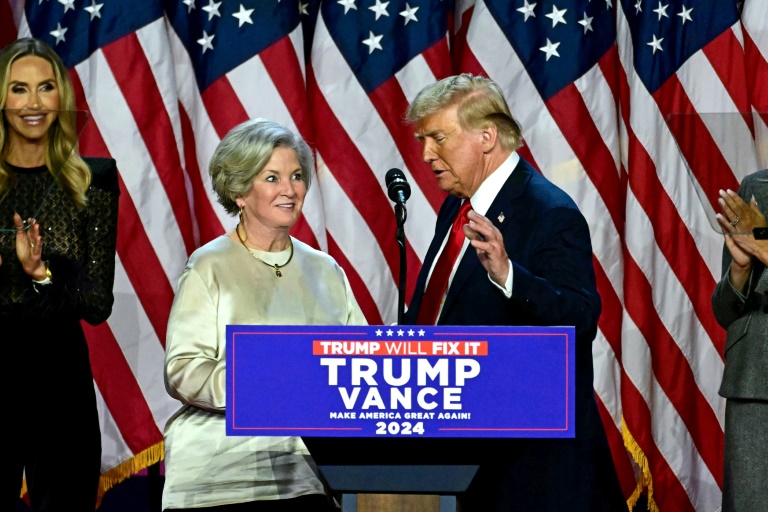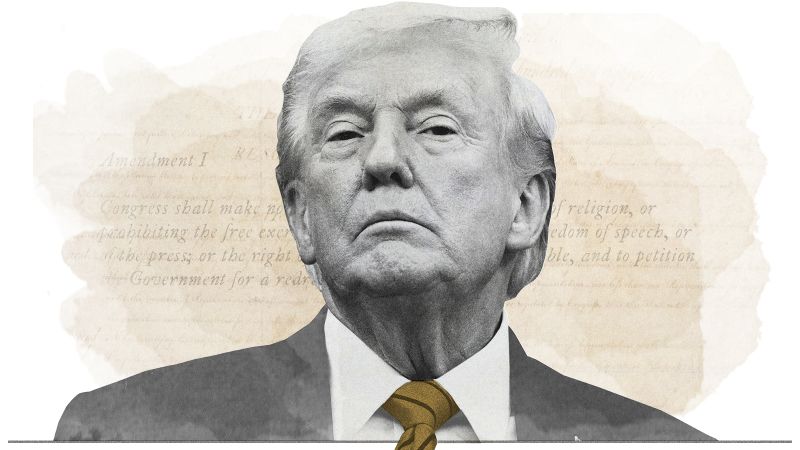
In recent months, former President Donald Trump has intensified his scrutiny of the First Amendment, raising concerns among civil rights advocates and political observers. Following his return to political prominence, Trump claimed he had “brought free speech back to America.” Yet, his actions suggest a complex relationship with these fundamental rights, as he repeatedly tests their boundaries through various means.
The First Amendment safeguards essential freedoms including religion, speech, the press, peaceful assembly, and the right to petition the government for redress. It prohibits the government from enacting laws that would infringe upon these rights. Despite this, Trump’s administration has engaged in actions that challenge these protections, including executive orders and lawsuits targeting dissenting voices.
Recent Legal Actions and Controversies
This week, Trump initiated a defamation lawsuit against the BBC in a federal court in Florida, a move that legal experts describe as likely weak. Many analysts believe this lawsuit aims to deter criticism rather than seek genuine legal redress. Additionally, concerns were raised during a hearing involving the Federal Communications Commission (FCC) chairman, who suggested that the agency lacks independence, a statement that alarmed lawmakers.
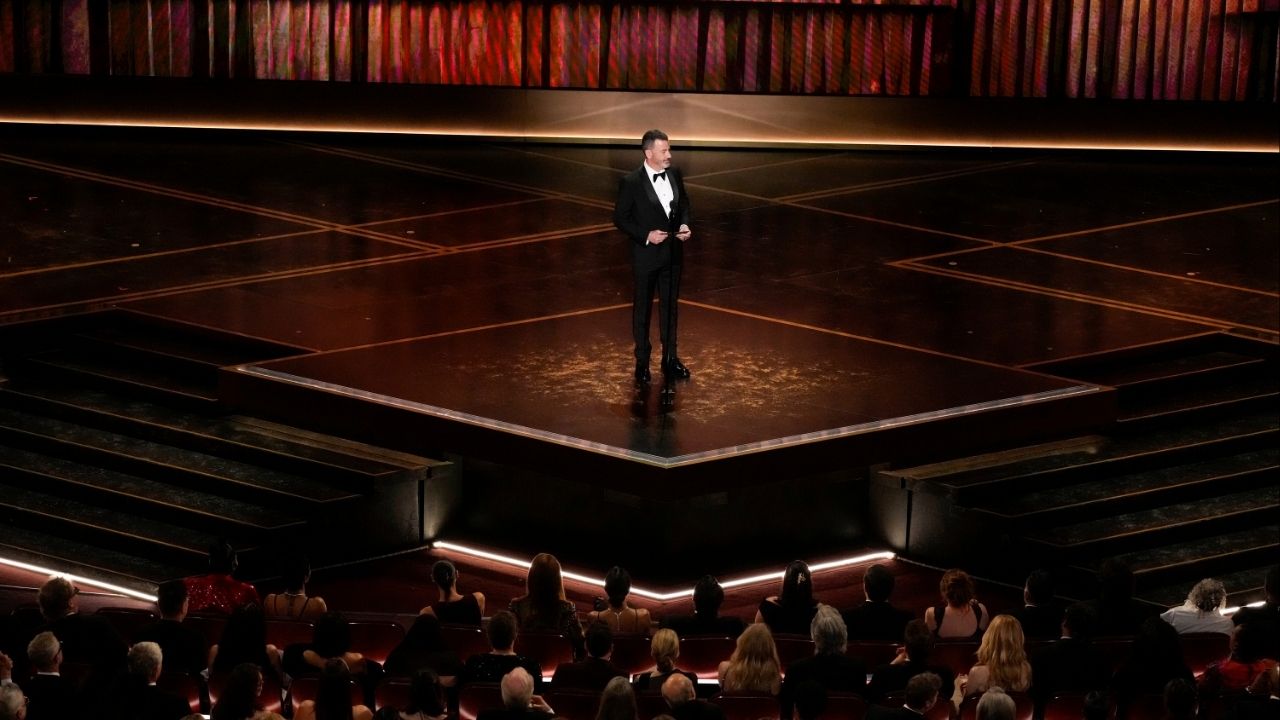
Several of Trump’s initiatives faced legal challenges, resulting in some setbacks. For instance, Disney’s ABC network temporarily suspended Jimmy Kimmel’s show following his comments regarding conservative activist Charlie Kirk, who was recently killed. This decision highlights how some organizations have yielded to pressure from the former president, further complicating the discourse around free speech.
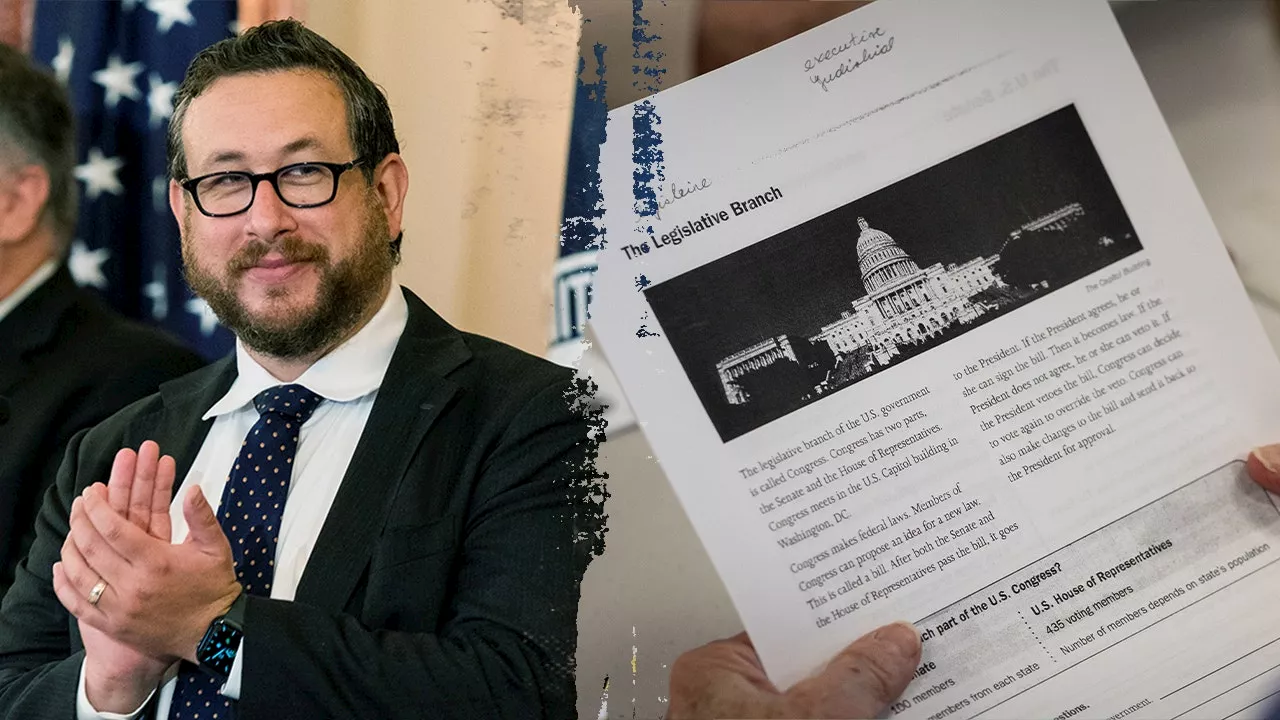
Experts in civil liberties have voiced their concerns regarding the implications of Trump’s actions. Burt Neuborne, a professor at New York University law school, emphasized that the First Amendment is “undoubtedly, unquestionably” facing erosion. He warned that the current climate could discourage individuals from exercising their rights due to fear of repercussions, stating, “The net result will be a society that is not exercising their First Amendment rights.”
A Timeline of First Amendment Challenges
The timeline of events reflects a pattern in which Trump’s administration has sought to exert influence over various institutions and individuals. From executive actions aimed at limiting protests to legal threats against media organizations, the attempts to control the narrative illustrate a broader strategy of undermining dissent.
Critics argue that such actions not only weaken the protections afforded by the First Amendment but also create a chilling effect, whereby individuals feel pressured to self-censor. As the political landscape continues to evolve, the dialogue surrounding free speech and its limitations remains critically relevant.
As the implications of these developments unfold, the ongoing tension between Trump’s rhetoric and the principles enshrined in the First Amendment will be a focal point for civil rights advocates and political commentators alike.