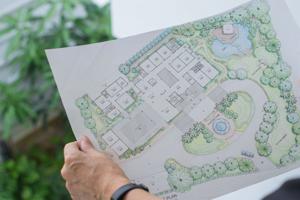
The growing interest in outdoor aesthetics has led many homeowners and businesses to seek guidance on effective landscape design. Numerous articles and self-proclaimed experts on the internet offer advice based on personal experiences. While some recommendations are beneficial, others may inadvertently create complications. Here are essential guidelines to consider when designing your landscape.
Understanding the Basics of Landscape Design
A successful landscape design begins with an understanding of the space and its potential. Assessing the existing features of the site, such as topography, soil quality, and climate, is crucial. For example, different plants thrive in varying climate zones, making it essential to choose flora suited for the local environment.
Moreover, recognizing the purpose of the outdoor space can significantly influence the design process. Whether the goal is to create a serene garden, a vibrant entertaining area, or a functional space for children to play, clarity on this objective will guide plant selection and layout.
Key Principles for Effective Landscaping
One of the foundational rules of thumb in landscape design is to prioritize functionality. The outdoor space should provide ease of access and usability. Pathways, seating areas, and plant arrangements must facilitate movement and enhance the overall experience. For instance, using durable materials for walkways can ensure longevity while minimizing maintenance efforts.
Another critical aspect is selecting the right plants. Incorporating a mix of perennials and annuals promotes biodiversity and visual interest throughout the seasons. According to the American Society of Landscape Architects, proper plant selection can reduce water usage by approximately 50%, which is vital for sustainable landscaping practices.
Soil quality also plays a significant role in the success of landscaping efforts. Testing the soil for nutrients and pH levels can inform necessary amendments, creating a healthier environment for plants to thrive. This proactive approach can lead to vibrant gardens and reduced costs associated with plant replacement due to poor soil conditions.
Maintenance: The Key to Longevity
The journey of a successful landscape does not end once the design is complete. Regular maintenance is essential to preserve the aesthetic appeal and health of the outdoor space. This includes routine tasks such as pruning, mulching, and monitoring for pests. Establishing a maintenance schedule can help prevent overwhelming tasks, ensuring the landscape remains inviting.
For businesses, investing in professional landscaping services can yield significant returns. A well-maintained landscape not only enhances curb appeal but can also increase property value. According to a report by the National Association of Realtors, homes with attractive landscaping can sell for as much as 10% more than similar properties without landscaping.
In summary, while navigating the multitude of landscape design advice available online, it is important to adhere to fundamental principles. Understanding the space, prioritizing functionality, selecting appropriate plants, and committing to maintenance are crucial steps towards creating a thriving outdoor environment. Engaging with knowledgeable professionals can further enhance the design process, ensuring that the final result is both beautiful and sustainable.