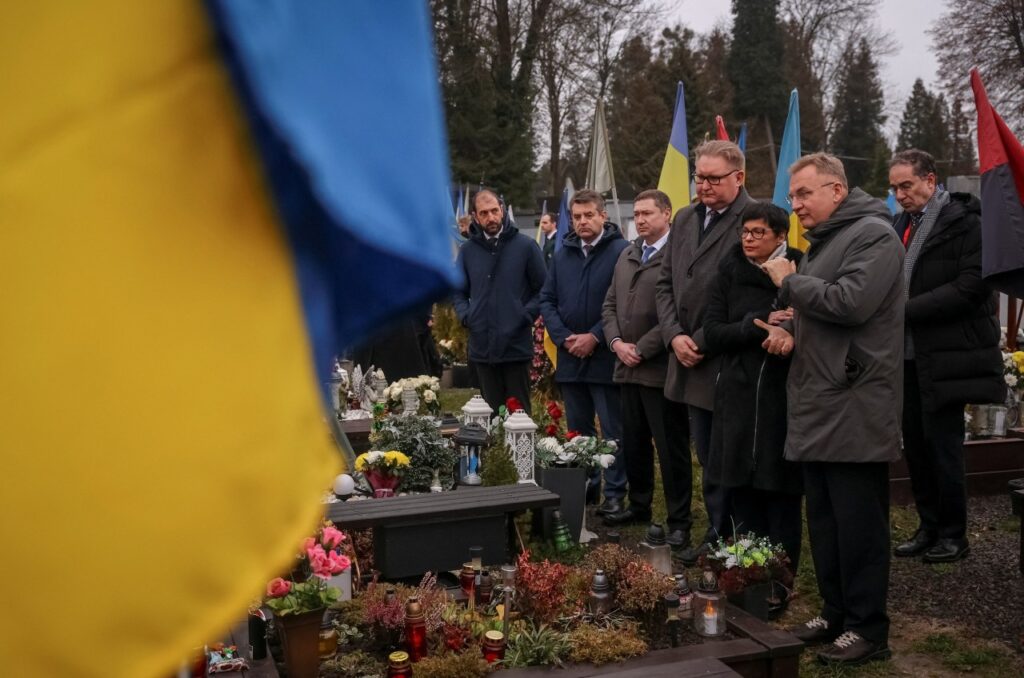
The ongoing conflict in Ukraine has prompted European nations to reassess their strategies regarding support for Kyiv. As diplomatic discussions with Russia unfold, many European leaders believe that a subpar agreement poses greater risks than no deal at all. The rationale behind this stance is driven by a complex agenda focused on self-preservation and regional stability.
European countries, notably those bordering Russia, are acutely aware that any deal perceived as unfavorable could embolden Moscow. This concern is particularly relevant in light of the estimated $350 billion in damages inflicted upon Ukraine since the start of the conflict in February 2022. Countries such as Poland and the Baltic states have expressed their apprehension about the potential resurgence of Russian aggression if Kyiv were to accept terms that do not guarantee its sovereignty.
The European Union (EU) and NATO have demonstrated a united front in their support for Ukraine, emphasizing the importance of a stable and independent Ukraine as a buffer against further Russian expansion. Leaders from Berlin, Paris, and Washington have reinforced their commitment to providing military and humanitarian aid, underscoring the necessity of maintaining pressure on Moscow.
Strategic Calculations in Diplomatic Efforts
The calculus behind European support hinges not only on solidarity with Ukraine but also on the long-term implications for regional security. As discussions continue, European leaders are weighing the potential fallout from a hasty agreement with Russia. The prevailing sentiment is that a poor deal could undermine Ukraine’s defense capabilities and embolden Russian ambitions in Eastern Europe.
European nations recognize that their security is intertwined with Ukraine’s fate. A strong Ukraine serves as a deterrent against Russian advances, making it imperative for allies to ensure that any negotiated outcome does not compromise the country’s territorial integrity. This has led to calls for a more robust military presence in Eastern Europe, as well as increased support for Ukrainian forces, ensuring they remain equipped to defend against potential threats.
Furthermore, the economic impact of the war has been felt across Europe. Energy prices have surged, and supply chains have been disrupted, prompting a reevaluation of dependencies on Russian resources. European leaders are now actively diversifying energy sources to reduce reliance on Russia, further emphasizing the need for a strong Ukrainian stance in negotiations.
The Path Forward for Ukraine and Its Allies
In light of these calculations, the outlook for peace talks remains uncertain. While some European leaders advocate for a diplomatic resolution, the overarching sentiment is one of caution. They are prepared to support Ukraine for the long haul, even if it means prolonging the conflict.
As discussions progress, the focus will likely remain on providing Ukraine with the necessary resources to sustain its defense efforts. This approach not only helps fortify Ukraine’s position but also serves as a clear message to Russia that aggression will not be tolerated.
The geopolitical landscape continues to evolve, and the stakes are high. The decisions made in the coming weeks may not only determine Ukraine’s future but also reshape the balance of power in Europe for years to come. As allies navigate these complex dynamics, the priority remains clear: Ukraine must emerge from this crisis as a resilient and independent nation.