BREAKING: New research confirms a potential link between chronic inflammation and long COVID, a condition estimated to affect over 400 million individuals worldwide. The findings, released in Nature Immunology, could pave the way for new treatments targeting inflammation, offering hope to millions suffering persistent symptoms.
The study, conducted at the Yale School of Medicine by lead author Dan Barouch, reveals that individuals with long COVID exhibit activated immune defenses and heightened inflammatory responses lasting more than six months post-infection. This sheds light on why some people endure long-lasting effects from the virus, while others recover fully.
Barouch stated, “These findings suggest there might be therapeutic targets related to inflammation worth exploring in clinical studies.” The implications are significant, as long COVID has become a critical global health issue, with symptoms such as brain fog, fatigue, and heart palpitations reported by a vast number of survivors.
Historically, the narrative surrounding long COVID has often centered on the virus’s persistence in the body. However, this research emphasizes the role of inflammation, with Ziyad Al-Aly, a clinical epidemiologist at Washington University in St. Louis, noting that “this is one piece of the puzzle” illustrating how immune pathways are activated in affected individuals.
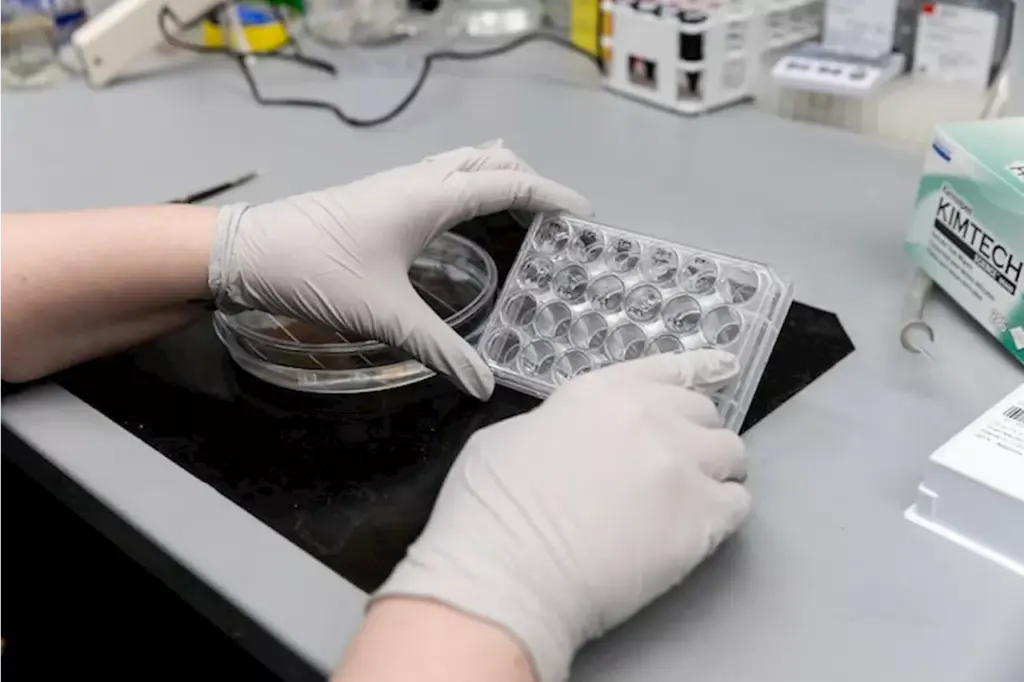
The study involved 180 participants from two cohorts, one from the pandemic’s early years (2020-2021) and another from 2023-2024. Researchers analyzed protein and gene expression levels, immune responses, and viral measurements to pinpoint differences between long COVID sufferers, fully recovered individuals, and healthy participants. The results showed multiple inflammatory pathways remaining activated in those with lingering symptoms.
Barouch has initiated a clinical trial testing an anti-inflammatory drug typically used for eczema to target one of these pathways. While a previous study on a gout medication showed no benefits for long COVID patients, Barouch remains optimistic. “More research is needed,” he cautioned, highlighting the complexity of treating a condition with multiple activated pathways.
The urgency for effective treatments is amplified by the World Health Organization’s acknowledgment that anyone, regardless of age or initial symptom severity, can develop long COVID. Symptoms can manifest weeks, months, or even years after infection with SARS-CoV-2, affecting daily life significantly.
As discussions on therapy evolve, rehabilitation experts like Alba Azola from Johns Hopkins Medicine stress the importance of investigating alternative treatments. “For too long, the focus has been on viral persistence. It’s crucial to explore other pathways,” she stated.
The study marks a critical shift in understanding long COVID, potentially guiding future research towards more effective therapeutic strategies. As scientists continue to uncover the biological mechanisms of this perplexing condition, the hope is that targeted therapies will emerge, offering relief to millions still grappling with the aftermath of COVID-19.
Stay tuned for further updates as this urgent health issue continues to unfold.