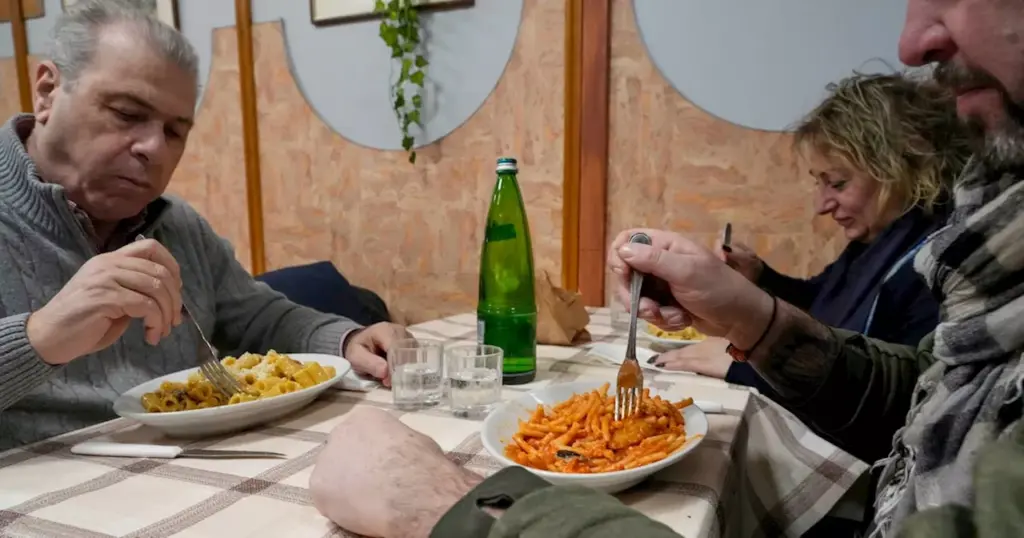
UPDATE: UNESCO has just announced that Italian cooking and its accompanying rituals have been officially recognized as part of the world’s “intangible” cultural heritage. This significant designation was made during a committee meeting in New Delhi on July 15, 2023, as part of an ongoing effort to highlight cultural expressions worldwide.
This recognition underscores the deep cultural importance Italians place on culinary traditions, from the cherished Sunday family lunches to the unique practices passed down through generations, such as grandmothers teaching their grandchildren to prepare traditional dishes. “Cooking is a gesture of love,” stated Pier Luigi Petrillo, a member of the Italian UNESCO campaign and professor at Rome’s UnitelmaSapienza University. “For us Italians, cuisine is not just food; it is culture, tradition, work, and wealth.”
The decision to include Italian culinary practices in this prestigious list enhances the global appreciation for dishes like pizza, pasta, and tiramisu. Although the UNESCO citation did not specify particular recipes, it emphasized the communal aspect of dining, a hallmark of Italian culture. Visitors and locals alike recognize this sentiment. “Sitting at the table with family or friends is something that we Italians cherish and care about deeply,” said Mirella Pozzoli, a tourist from Lombardy.
Italy is already home to 13 other cultural items recognized by UNESCO, including the Sicilian puppet theatre and the traditional craftsmanship of Cremona’s violins. The inclusion of Italian cooking adds to a growing list of global culinary practices celebrated by UNESCO. Other cuisines recognized in recent years include the “cider culture” of Spain’s Asturian region and the Ceebu Jen culinary tradition of Senegal.
The Italian submission highlighted the sustainability and biocultural diversity of its food practices, emphasizing the importance of seasonality and fresh ingredients. Francesco Lenzi, a pasta maker at Rome’s Osteria da Fortunata, passionately declared, “For me, Italian cuisine is the best, top of the range. Number one. Nothing comes close.” He credited his culinary enthusiasm to his grandmother, who would make ravioli using a rolling pin every Sunday in their coastal village.
The recognition from UNESCO not only celebrates Italy’s culinary heritage but also promises economic benefits. Following previous listings, the number of accredited schools for Neapolitan pizza makers surged over 400%. Petrillo noted the significant increases in tourism and product sales, as well as educational and training opportunities that arose after such recognitions.
As UNESCO continues to meet annually to evaluate nominations, the impact of this latest announcement is expected to resonate globally, inspiring food lovers and cultural enthusiasts alike. The designation of Italian cooking as an intangible cultural heritage serves as a reminder of the profound connections between cuisine, community, and cultural identity.
This urgent recognition of Italian cuisine is not just a celebration of food but a powerful affirmation of cultural heritage that many around the world share and revere. Stay tuned for more updates on Italy’s culinary achievements and how they influence global dining experiences.