UPDATE: The proposed merger between Nexstar Media Group and TEGNA, Inc. is facing urgent opposition as concerns mount over the potential impact on local news coverage across the United States. This merger would create a media giant controlling 265 TV stations that reach more than 80 percent of American households, raising alarms about the future of local journalism.
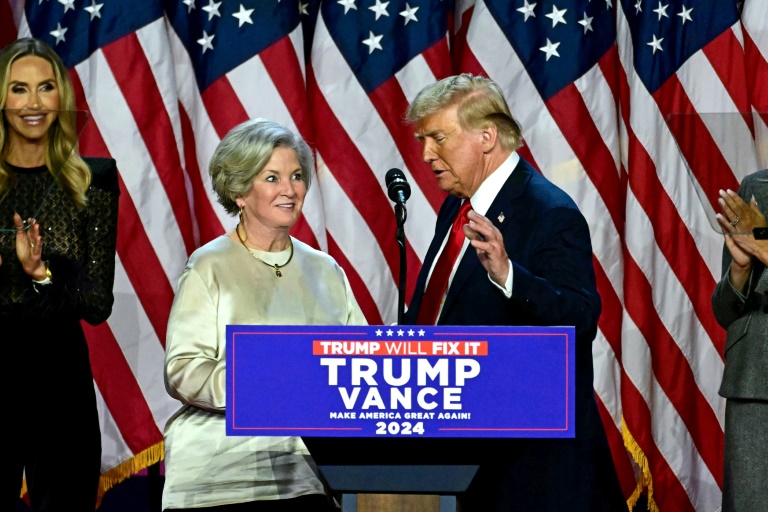
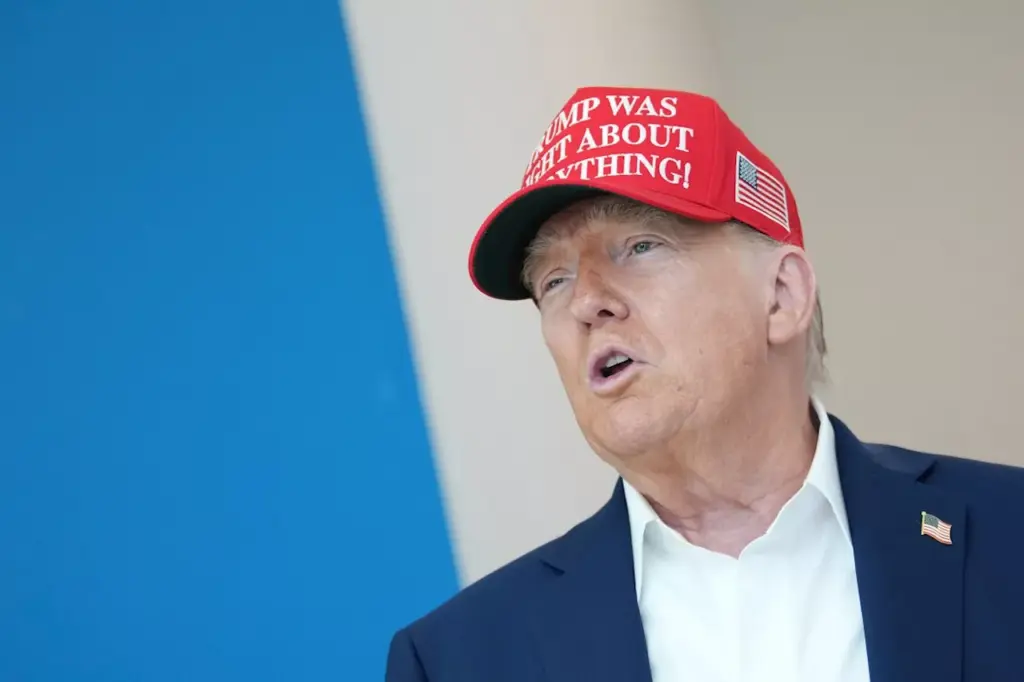
Critics, including former President Donald Trump, have voiced strong objections, asserting that this consolidation threatens the integrity of local news. Trump’s recent remarks emphasize the need for a thorough review of the merger’s implications, particularly its ability to shape political narratives nationwide. The Federal Communications Commission (FCC) is under pressure to reconsider the approval of this merger, which critics argue would lead to a homogenization of news content, undermining the diversity and reliability that local stations provide.
Authorities warn that approval of this merger could echo troubling trends seen in the print media landscape, where many once-thriving local newspapers have been absorbed into larger conglomerates. This has resulted in a significant decline in local news coverage and an increase in generic reporting that lacks community relevance. Recent investigations have revealed instances where competing stations have broadcast the same news scripts verbatim, raising questions about journalistic standards and accountability.
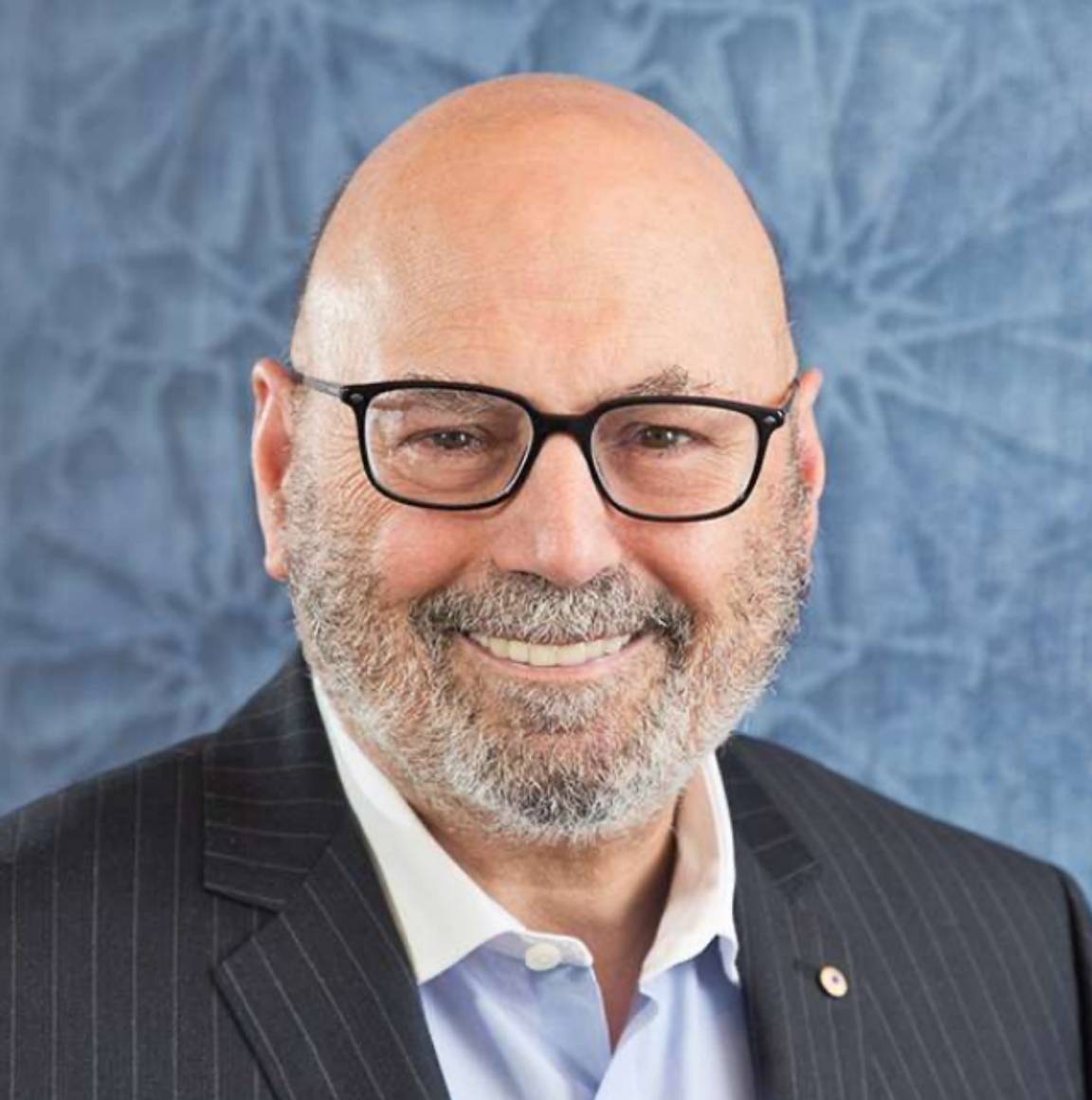
The proposed merger threatens to exacerbate these issues, as it would likely lead to further “dumbing down” of the news, according to media analysts. Newsmax CEO Chris Ruddy pointed out that the national audience reach cap violated by this merger is not merely an outdated rule but a crucial safeguard established during the Reagan administration to protect local media markets.
With retransmission fees having surged by more than 2,000 percent over the past 15 years, consumers could see these costs escalate even further if the merger is approved. The consolidation of power among station groups often leads to higher fees being passed on to viewers, raising concerns about the financial burden on American households.
As this situation develops, attention is focused on Brendan Carr, the FCC chair appointed by Trump, who may play a pivotal role in deciding whether to approve the merger without adequate consideration of its repercussions on local news. Critics argue that failing to address the potential consequences for local journalism would be detrimental to the public interest.
The debate surrounding this merger reflects broader concerns about the future of media in America. As local news outlets continue to shrink, the reliance on national syndicates that deliver a “one size fits all” approach to news coverage increases, potentially leaving communities without the vital information they need to engage in local affairs.
As the FCC prepares to review the merger, the implications for local news and the media landscape as a whole are profound. Stakeholders are urging the commission to prioritize the preservation of local journalism and the diverse voices that form the backbone of American democracy.
In this rapidly changing media environment, the stakes are high. The public’s trust in news is at risk, and the outcome of this merger could significantly influence how Americans access and perceive their news. The urgency of opposing the Nexstar-TEGNA merger is clear, as the future of local journalism hangs in the balance.