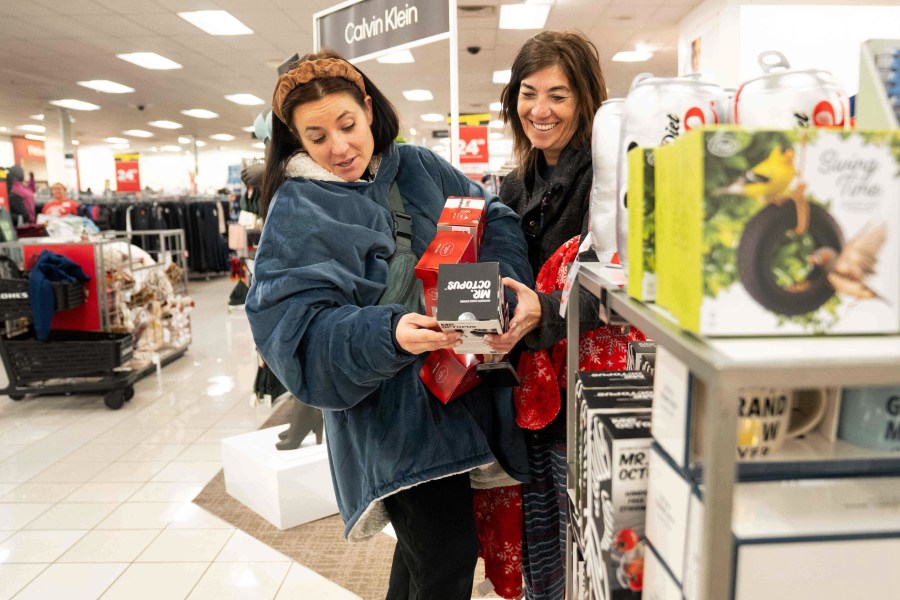
Sales at U.S. retailers and restaurants remained unchanged in October 2023 compared to September, as consumers moderated their spending in response to concerns over rising prices and overall economic uncertainty. According to the U.S. Department of Commerce, this stagnation follows a period of increased spending over the summer months.
The report highlighted that when excluding sales from motor vehicle and auto parts dealers, retail sales experienced a slight increase of 0.4%. This indicates that while there is a cautious approach to spending, certain sectors continue to show resilience.
Consumer behavior has shifted as many individuals are now prioritizing essential purchases and are more selective about discretionary spending. Economic indicators, including inflation rates and consumer confidence levels, have contributed to a more cautious outlook among shoppers. These factors have influenced retail patterns, leading to a pause in spending growth.
Sector Variations in Sales Performance
Different sectors within the retail industry showcased varied performance in October. Sales at clothing and accessory stores saw a decline of 1.1%, while sales at restaurants and bars remained stable. This stability suggests that dining experiences continue to attract consumers, even as other areas face challenges.
E-commerce also played a critical role, with online sales holding steady. Many consumers are continuing to embrace the convenience of online shopping, which has influenced overall sales figures. The 0.4% increase in sales, when excluding auto sales, reflects a nuanced picture of consumer behavior amidst economic pressures.
Retailers are adapting to these changes by focusing on promotional strategies and enhancing customer experiences. As economic conditions fluctuate, businesses are increasingly aware of the need to engage consumers effectively to maintain sales momentum.
Future Outlook for Retail Sales
Looking ahead, analysts suggest that ongoing economic uncertainty may continue to influence consumer spending patterns. Inflation concerns, fluctuating interest rates, and geopolitical factors are likely to remain on the minds of shoppers as they plan their purchases.
Retailers will need to remain agile in their strategies, focusing on customer engagement and tailored offerings to attract consumers. The stabilization of sales in October may serve as a crucial indicator for retailers as they prepare for the holiday season, a vital period for many in the industry.
The data from the Department of Commerce serves as a snapshot of the current retail landscape. As consumers navigate their financial priorities amid changing economic conditions, retailers must respond with flexibility to meet evolving needs.