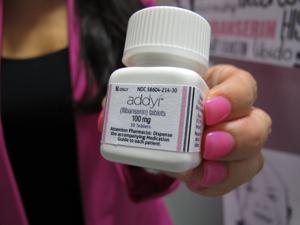
The U.S. Food and Drug Administration (FDA) has expanded the approval of a controversial drug designed to enhance female libido, allowing postmenopausal women aged up to 65 to access the medication. This once-a-day pill, originally restricted to a narrower age group, is now available to a broader demographic experiencing reduced sexual desire after menopause.
The decision, announced on March 15, 2024, follows years of debate surrounding the safety and efficacy of the drug, marketed under the name Vyleesi. Advocates argue that it provides an essential option for women facing challenges related to sexual function after menopause. Critics, however, have raised concerns regarding its potential side effects and the implications of normalizing medication for libido enhancement.
Expanded Access and Implications
The FDA’s move comes as part of a larger effort to address the sexual health needs of older women. Many women experience a decline in libido due to hormonal changes associated with menopause. According to the FDA, the expanded approval reflects a recognition of the importance of sexual health in overall well-being.
Dr. Patricia Cavazzoni, Director of the FDA’s Center for Drug Evaluation and Research, stated, “This approval is an important step in recognizing the unique health care needs of women, especially as they age.” The approval process included extensive review of clinical data demonstrating the medication’s effectiveness in improving sexual desire among participants.
While Vyleesi is now available to a larger group, healthcare providers emphasize the necessity of discussing potential risks and benefits with patients. The drug is known to cause side effects in some users, including nausea and headache, raising questions about its suitability for all women.
Market Impact and Future Considerations
The market for women’s health products has seen significant growth in recent years, with increased attention on the unique needs of female patients. The approval of Vyleesi may lead to further innovations in this area, as pharmaceutical companies explore solutions tailored to women’s health.
As the conversation around female sexuality continues to evolve, the FDA’s decision may influence perceptions of sexual health among older women. Advocates for women’s health hope this approval will encourage more open discussions about libido and sexual wellness, contributing to improved quality of life for many.
In conclusion, the FDA’s approval of Vyleesi for postmenopausal women represents a significant development in women’s health. It underscores the importance of addressing sexual health issues and could pave the way for future advancements in this often-overlooked area.