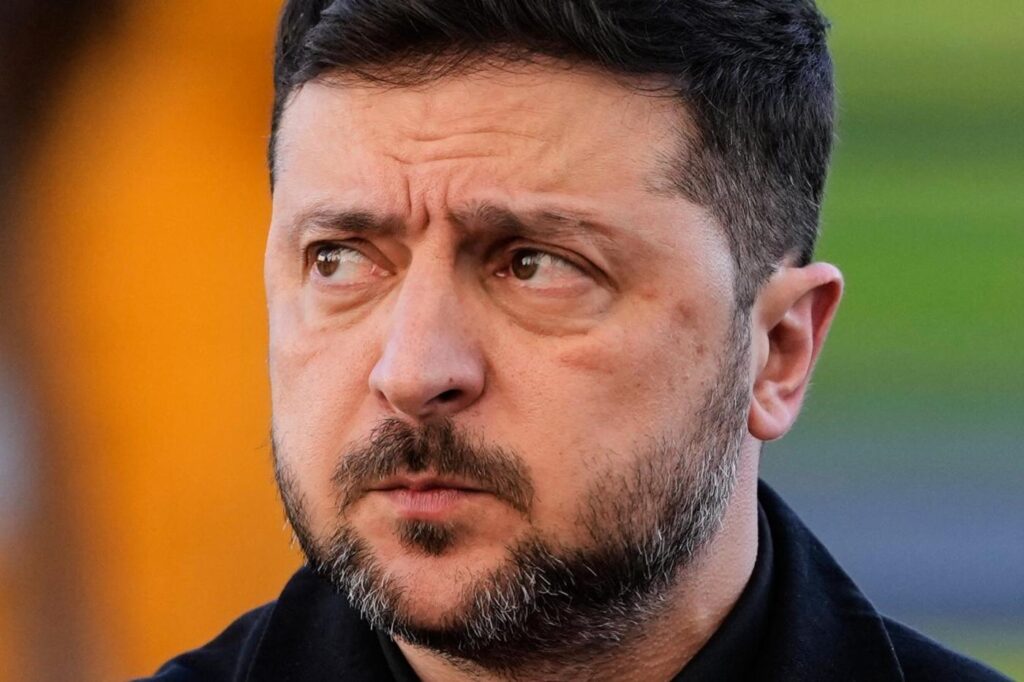
UPDATE: Russia has indicated its willingness to allow Ukraine to join the European Union as part of a potential peace deal to end the ongoing war, according to U.S. officials. This crucial development emerged during discussions between U.S. envoys and Ukrainian President Volodymyr Zelenskyy on December 15, 2025, in Berlin.
The U.S. officials briefing reporters stated that this offer would represent a significant concession from Moscow. While Russia has previously expressed no objection to Ukraine’s EU membership, this latest indication signals a shift in negotiations amid increasing pressure on Kyiv from Washington to accept a peace settlement swiftly.
During the meetings, U.S. officials including Jared Kushner and special envoy Steve Witkoff discussed security guarantees for Ukraine, emphasizing that such offers would not be available indefinitely. The urgency of these talks reflects escalating tensions with Russia and the imperative for Ukraine to secure its sovereignty.
Zelenskyy’s lead negotiator, Rustem Umerov, noted on social media that “real progress” was made during the discussions, which lasted approximately 90 minutes following a five-hour session the previous day. The U.S. government echoed this sentiment, stating that “a lot of progress was made” in their social media updates.
However, significant obstacles remain, particularly regarding control of the eastern Donetsk region, currently occupied by Russian forces. Zelenskyy has shown a willingness to reconsider Ukraine’s NATO aspirations if Western nations can provide binding security assurances akin to those enjoyed by NATO members. Nonetheless, Ukraine’s priority remains NATO membership, though this option lacks unanimous support among allies.
In the ongoing negotiations, Ukraine has firmly rejected U.S. proposals to cede territory to Russia, a key demand from President Vladimir Putin. Zelenskyy has stressed that any security guarantees provided must be legally binding and endorsed by the U.S. Congress to be credible.
Kremlin spokesperson Dmitry Peskov addressed questions regarding the timeline for a peace deal, labeling attempts to predict its outcome as a “thankless task.” Peskov reiterated that Putin is open to serious negotiations but not to tactics aimed at prolonging the conflict without resolution.
The backdrop of these discussions is a series of aggressive drone strikes, with Ukrainian forces reporting that 153 drones were launched by Russia overnight, of which 133 were neutralized. The strikes included attempts targeting Moscow, disrupting flights at major airports.
As Ukraine navigates this pivotal moment, the world watches closely. With French President Emmanuel Macron also set to meet in Berlin, the focus on security arrangements is paramount. The implications of these negotiations could reshape the future of Ukraine and its relationship with both Russia and the West.
In summary, as peace talks unfold, the stakes are incredibly high, and the urgency for a resolution has never been greater. The next steps in this complex negotiation will be critical in determining whether a lasting peace can be achieved or if the conflict will escalate further. The international community remains on alert as developments continue to emerge.