Astrophotography, while a captivating pursuit, often comes with hefty expenses due to the specialized equipment required. From cameras to mounts, costs can escalate rapidly, leaving many enthusiasts wondering how to make this passion more affordable. Despite the financial challenges, there are several strategies that can help aspiring astrophotographers capture stunning images without breaking the bank.
Prioritize Technique Over Equipment
One of the most significant debates among astrophotographers is whether to modify their cameras by removing the stock infrared-cut filter. While such modifications can enhance sensitivity to specific wavelengths, particularly deep-red hydrogen-alpha (Hα) light, they are not always necessary for achieving impressive results. Many modern DSLR and mirrorless cameras already possess sufficient sensitivity for general astrophotography.
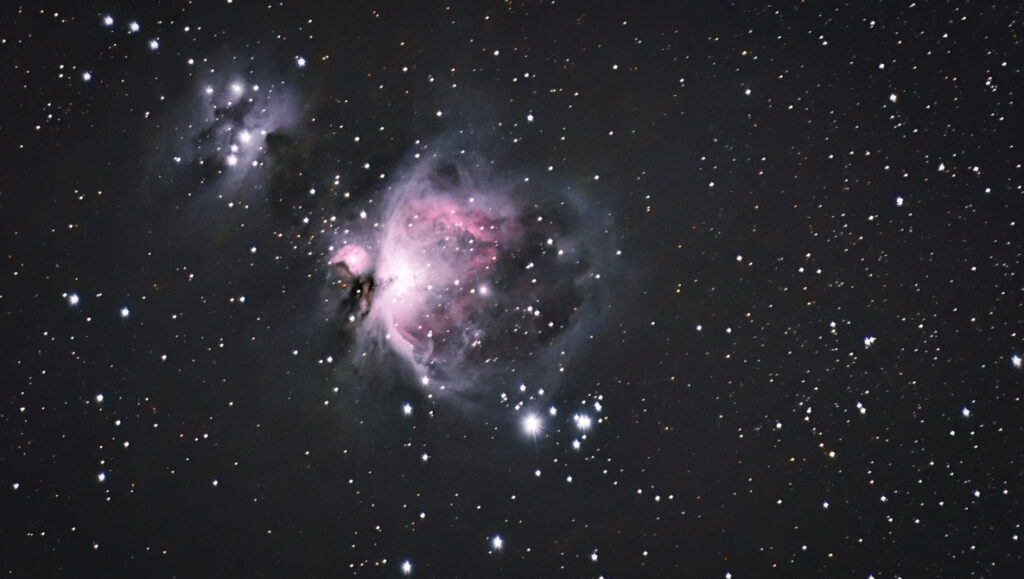
Often, the key to capturing remarkable deep-sky images lies in the processing techniques employed rather than the hardware itself. Issues such as auto white balance or overly aggressive post-processing can diminish the visibility of crucial details, particularly red emissions. A modified camera may push images too far into the red spectrum, resulting in a loss of color diversity. This can lead to an image that resembles a “giant red cotton ball,” failing to showcase the full beauty of a nebula.
Explore Remote Telescope Rentals
For those hesitant to invest heavily in personal equipment, remote telescope rentals present a viable alternative. This option allows photographers to capture deep-sky targets without the burdens of ownership or maintenance. Remote telescope services are available in locations renowned for their dark skies, such as Chile and Texas.
Platforms like iTelescope enable users to schedule imaging sessions on remote-controlled telescopes situated in the United States, Spain, and Australia. After selecting a target and setting exposure parameters, users can download their data post-session. Notably, observatories in Texas offer options to host personal telescopes or utilize preset setups.
In Chile, services like Remote Observatories and AstroRental provide access to professional-grade telescopes, some with apertures of up to 1 meter. By renting these telescopes, photographers can capture images from some of the world’s best observing sites without incurring the substantial costs associated with high-end equipment.
While renting does incur costs, it remains more economical than the purchase of personal gear. Photographers still need to understand astrophotography workflows, including exposure planning and data calibration, to maximize their experience. Additionally, scheduling can be competitive, particularly for high-demand telescopes, necessitating advance planning.
Start Small and Build Your Setup
Owning a personal astrophotography setup offers a unique sense of pride, and beginners can start with simpler equipment. An effective approach is to mount a DSLR camera on a star tracker and use a standard telescopic zoom lens. This setup, which fits conveniently in a backpack, allows users to easily transport their gear to remote dark-sky locations.
Star trackers are essential for compensating for the Earth’s rotation, enabling longer exposures without star trails—crucial for deep-sky photography. With this basic arrangement, beginners can achieve impressive results without significant financial investment.
Astrophotography is undoubtedly an expensive hobby; however, the true thrill comes not from the price tag of gear but from the wonder of the night sky and the patience required to capture it. Starting with simple equipment allows enthusiasts to explore deep-sky imaging while gradually building their systems as their skills develop. As demonstrated by many successful images, including those featured in this article, some of the most stunning astrophotography can be achieved with just a DSLR and a star tracker.
In conclusion, while astrophotography may present financial challenges, it is possible to pursue this rewarding hobby without overwhelming expenses. By focusing on technique, exploring remote telescope options, and starting with manageable equipment, anyone can embark on a journey through the cosmos.
Prashant Naik, an international award-winning photographer and architect, emphasizes the importance of creativity and storytelling in astrophotography. His work has been recognized in esteemed publications such as The Guardian and BBC Sky at Night, showcasing the beauty that can be captured with thoughtful techniques and accessible equipment.