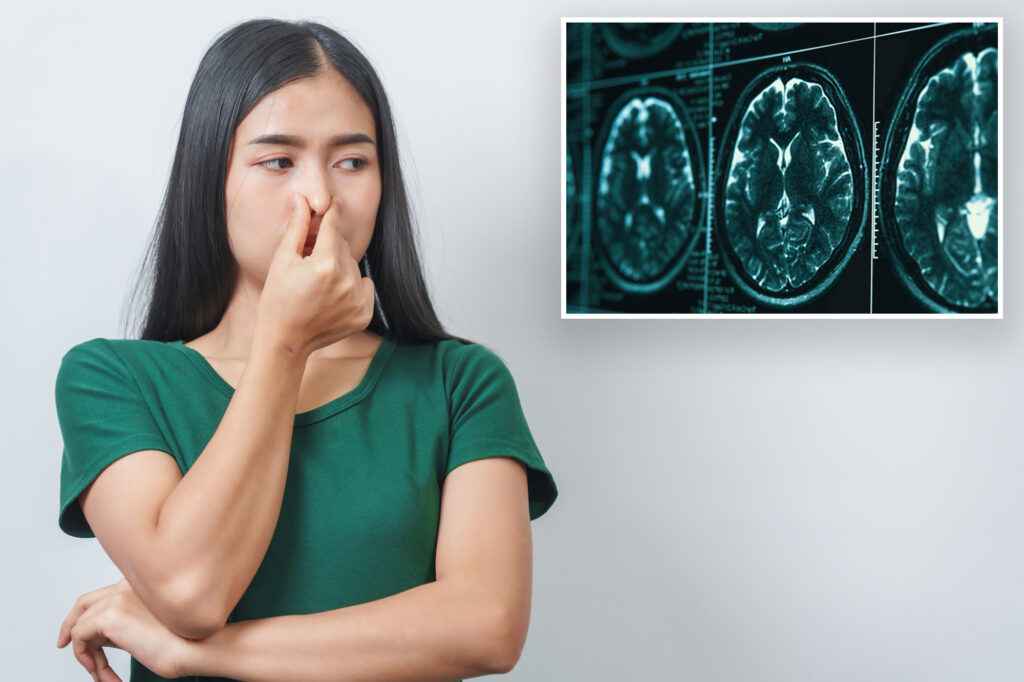
A recent study conducted by researchers at Johns Hopkins Medicine suggests that hydrogen sulfide, the chemical compound often associated with the odour of flatulence, could play a significant role in protecting against cognitive decline and Alzheimer’s disease. The findings, published in the Proceedings of the National Academy of Sciences, indicate that this compound may help guard aging brain cells from neurodegeneration.
The study, led by Dr. Bindu Paul, an associate professor at the renowned medical center, highlights a critical link between hydrogen sulfide levels and brain health. Approximately 500,000 new cases of Alzheimer’s are diagnosed each year in the United States, making this research particularly relevant.
Using genetically modified mice that mimic human Alzheimer’s disease, researchers administered a compound known as NaGYY, which releases hydrogen sulfide throughout the body. After a period of 12 weeks, the mice demonstrated a remarkable improvement in both cognitive and motor functions, with performance improving by nearly 50% compared to untreated subjects.
The mice receiving the hydrogen sulfide treatment exhibited increased physical activity and enhanced memory capabilities. “The results showed that the behavioral outcomes of Alzheimer’s disease could be reversed by introducing hydrogen sulfide,” the research team stated, marking a potential breakthrough in treatment approaches for this debilitating condition.
Hydrogen sulfide is naturally produced in the human body, playing a vital role in regulating various physiological functions. An enzyme known as glycogen synthase beta is responsible for managing cellular processes involving this gas. However, as individuals age, the levels of hydrogen sulfide tend to decline. When glycogen synthase beta is absent, hydrogen sulfide can bind too closely to another protein called Tau. This binding can lead to the formation of clumps within neurons, ultimately hindering communication between nerve cells and resulting in cell death.
The implications of this research are significant, as they may pave the way for new drug developments aimed at combating Alzheimer’s disease. By exploring the therapeutic potential of hydrogen sulfide, scientists are opening doors to innovative treatments that could address not only cognitive decline but also the broader challenges associated with aging.
The study’s findings underscore the importance of ongoing research in the field of neurodegenerative diseases. As scientists continue to explore the role of gaseous molecules in cellular health, there remains hope for advancements that could one day alleviate the burdens of conditions like Alzheimer’s.