A recent letter to the editor has sparked debate in Colombia over the government’s military actions against drug traffickers. The letter, published in August 2023, expresses strong sentiments against the perception of sympathy for individuals involved in narcotics trafficking who have been targeted in military operations.
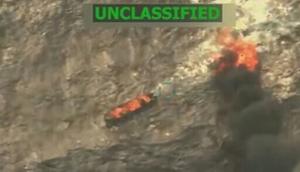
The Colombian government has intensified its efforts to combat drug trafficking, leading to increased airstrikes against suspected drug production sites. These military actions aim to dismantle the operations of drug cartels, which have long plagued the nation and contributed to significant violence and instability. Critics of the government’s approach argue that the airstrikes may exacerbate existing tensions within local communities and lead to collateral damage.
Supporters of the military strategy contend that the fight against drug trafficking is critical for national security. According to the Colombian military, the escalation in operations is necessary to disrupt the supply chains of narcotics that fuel violence in urban areas and contribute to organized crime. They assert that the actions taken are not merely punitive but are aimed at restoring peace and security for citizens.
The letter emphasizes a disconnect between public opinion and the realities faced by those on the ground. Many local communities, particularly in rural areas where coca cultivation is prevalent, see the military’s approach as heavy-handed. There is a growing concern that the bombings create more problems than they solve, leading to further displacement and suffering among the very populations the government seeks to protect.
Calls for a more nuanced approach to drug policy have emerged from various sectors. Some advocate for enhanced social programs that focus on education and alternative livelihoods for farmers who rely on coca cultivation as their primary source of income. These advocates argue that investing in community development could yield more sustainable results in the long term, reducing reliance on drug production.
Colombia’s long history with drug trafficking has shaped its political landscape, and the current government’s strategy reflects a broader historical context of militarization in the fight against narcotics. As public discourse continues to evolve, the implications of military actions and their impacts on communities remain a focal point of discussion.
In conclusion, while the fight against drug trafficking is vital for Colombia’s stability, the approach taken must consider the human cost of military interventions. The complexity of the issue calls for a balanced strategy that prioritizes both security and humanitarian needs to foster a safer, more resilient society.