Public libraries in Texas, Louisiana, and Mississippi are no longer protected by the First Amendment following a recent ruling by the United States Supreme Court. The Court declined to hear the case of Little v. Llano County, effectively allowing a lower court’s decision to stand, which has significant implications for freedom of expression in these states.
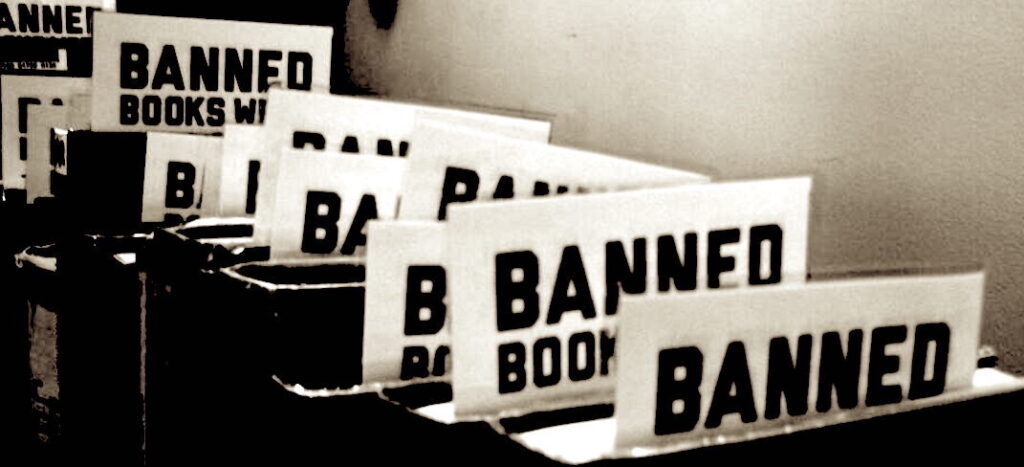
The case began in 2021 when a group of residents in Llano County, Texas, initiated challenges against several books in their public library, including Maurice Sendak’s In the Night Kitchen and the educational book It’s Perfectly Normal. After the removal of seventeen titles, a group of residents sued on the grounds that the bans represented a violation of their First Amendment rights.
Initially, the Fifth Circuit Court of Appeals ruled in favor of the plaintiffs, affirming the importance of access to diverse materials in public libraries. However, this ruling was subsequently vacated, and a new judgment was issued against the plaintiffs.
In a significant turn of events, the Supreme Court’s refusal to hear the case leaves the Fifth Circuit’s latest ruling intact. Lead plaintiff Leila Green Little expressed her frustration via email, stating, “They will not hear our case. No explanation is given. This means that the en banc ruling of the Fifth Circuit Court of Appeals will remain in effect for Texas, Louisiana, and Mississippi. This means that public library patrons have no First Amendment rights to access information. This means we now live in a censorship state.”
The decision is viewed by many as a setback for advocates of free speech and access to information. Critics argue that it paves the way for increased censorship in public libraries across the United States. The ruling is not limited to these three states; it raises concerns that similar challenges could emerge nationwide, threatening the availability of diverse literature.
Advocates for free expression are urging support for organizations like Authors Against Book Bans and PEN America, which work to combat censorship and promote access to literature. The ongoing challenges faced by libraries reflect a broader struggle within society to maintain the integrity of free expression.
This ruling has the potential to influence how libraries operate and what materials are available to patrons. It is a pivotal moment for public access to information, and many fear it signals the beginning of a larger wave of censorship across the country.
In light of these developments, discussions about the role of the judicial system in protecting or undermining civil liberties have intensified. Advocates are calling for more robust measures to safeguard access to essential resources and literature while also contemplating broader solutions to address the increasing challenges presented by systemic censorship.
The implications of this ruling extend far beyond Texas, Louisiana, and Mississippi, potentially affecting libraries and their patrons throughout the United States. As the landscape of public access to information evolves, the fight against censorship is poised to continue, demanding vigilance and advocacy from communities nationwide.