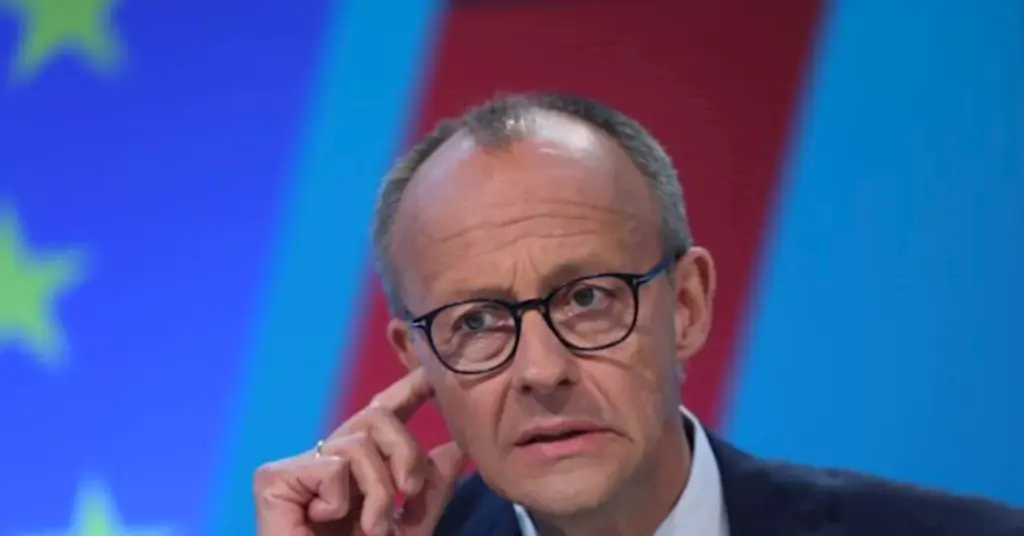
German Chancellor Friedrich Merz has filed hundreds of criminal complaints against citizens for insulting remarks, including terms such as “little Nazi” and “filthy drunk.” These actions, which reportedly occurred during his time as a parliamentarian, have led to police investigations, including the controversial seizure of a phone belonging to a disabled woman.
Documents obtained by a Sunday newspaper have revealed that Merz’s complaints stem from various insults directed at him. Some of these complaints have resulted in police searches, with the case involving the comment “filthy drunk” being deemed an unlawful search. In a particularly troubling incident, authorities confiscated the phone of an elderly woman in a wheelchair, restricting her ability to communicate with her healthcare providers.
Merz is said to have collaborated with an internet monitoring agency named So Done:, founded by former Free Democrat politician Alex Brockmeier. This agency monitors social media platforms for hate speech directed at political figures in Germany. In exchange for their services, the agency is entitled to 50 percent of any fines imposed on individuals found guilty of such insults.
Germany’s legal framework allows politicians to pursue criminal complaints for insults; however, it is not always required for them to do so personally. For instance, a case in which a commenter referred to Merz as an “asshole” was initiated by the Berlin prosecutor’s office after being alerted by the project Hesse Against Hate, supported by the local interior ministry in the state of Hesse. This case is currently under investigation as a possible politically motivated extremist crime.
Some complaints were directly signed by Merz, including one filed in February 2025, just days before the federal election that led to his appointment as Chancellor. A spokesperson for the federal government confirmed awareness of “more than 170 contacts from the police and public prosecutor’s offices” regarding allegations of insults aimed at the Chancellor but stated that he has not signed any new complaints since taking office.
The Chancellor’s actions have drawn scrutiny amid rising concerns over freedom of expression in Germany and the European Union. The situation has attracted criticism from various quarters, including officials within the Trump administration, who have condemned what they perceive as a growing trend of censorship across Europe.
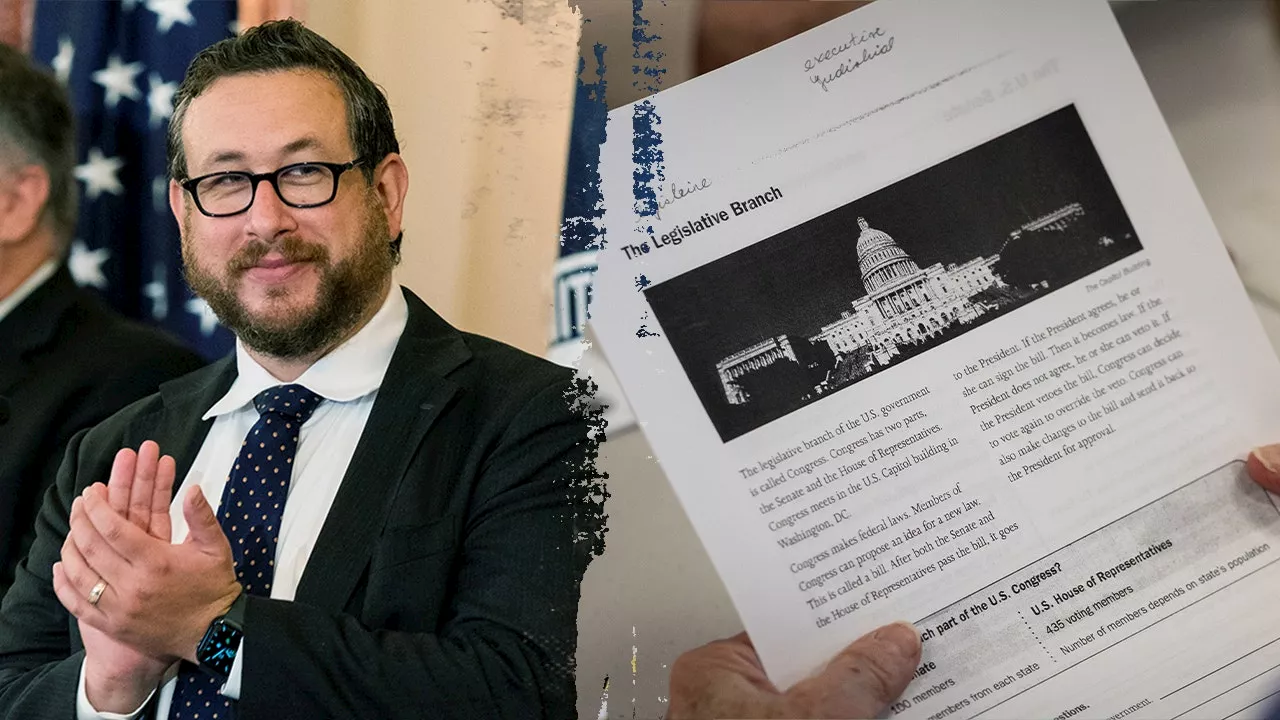
U.S. Under Secretary of State Sarah B. Rogers recently highlighted the need for core liberties to be upheld in democratic societies, emphasizing that the United States will oppose any elite-driven restrictions that infringe upon individual rights. This commentary follows the European Commission’s imposition of a $140 million fine on Elon Musk’s platform X, which has further ignited debates about censorship practices.
As the situation continues to evolve, it remains to be seen how Merz’s approach to handling insults will influence public discourse in Germany and beyond. The implications of these complaints may extend into broader discussions about political accountability and the limits of free speech in modern democracies.