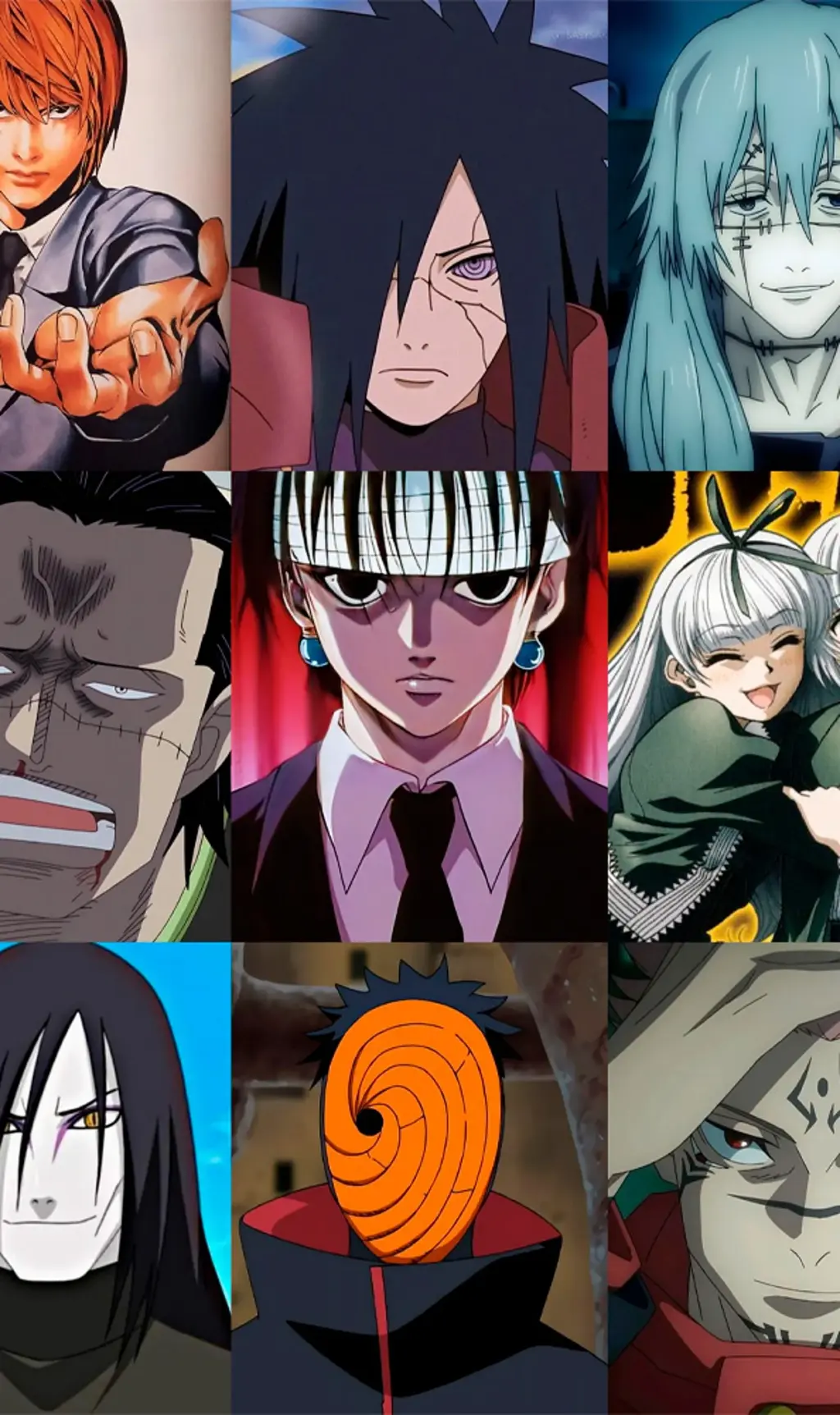
Anime has long captivated audiences with its intricate storytelling, often exploring themes of morality, justice, and the human condition. Among the characters that stand out in this rich narrative landscape are the villains—many of whom possess motivations that resonate with viewers, prompting discussions about their actions and ideologies. This article examines some of the most compelling anime villains who, despite their nefarious deeds, present arguments that challenge conventional morality.
Light Yagami: The Pursuit of Justice
One of the most iconic figures in anime, Light Yagami from *Death Note*, represents a chilling blend of intelligence and moral conviction. Armed with a notebook that grants him the power to kill anyone by writing their name, Light believes he can eradicate evil from the world. His initial goal—to create a utopia free from crime—highlights a profound ethical dilemma: can one justify murder for the sake of justice? As Light spirals deeper into his role as the self-proclaimed god of a new world, his journey raises questions about the nature of justice and the cost of absolute power.
Thanos: The Reluctant Savior
From the Marvel Cinematic Universe, Thanos offers a different perspective on villainy. Convincing himself that the universe suffers from overpopulation and resource scarcity, he seeks to eliminate half of all life with a snap of his fingers. While his methods are extreme, Thanos’s arguments echo real-world concerns about sustainability and resource management. His character forces viewers to grapple with the uncomfortable notion that drastic measures might be seen as justified in the face of existential crises.
Itachi Uchiha: The Sacrificial Hero
In *Naruto*, Itachi Uchiha stands out as a complex figure whose tragic backstory adds depth to his character. Tasked with the difficult decision of eliminating his entire clan to prevent a coup that could lead to war, Itachi’s actions are driven by a desire to protect his younger brother, Sasuke, and the village he loves. His sacrifice and the burden of his choices challenge the audience to consider the weight of loyalty, love, and the harsh realities of conflict.
Zeke Yeager: The Voice of Revolution
From *Attack on Titan*, Zeke Yeager embodies the struggle between freedom and oppression. His vision for liberation is rooted in a desire to end the cycle of hatred and violence among Eldians and Marleyans. Zeke’s radical approach to achieving this goal raises crucial questions about the morality of revolution and the lengths one might go to for freedom. His character invites viewers to reflect on historical and contemporary struggles for autonomy and justice.
Shinra Kusakabe: A Fiery Dilemma
In *Fire Force*, Shinra Kusakabe grapples with societal expectations and personal ambitions. His ability to manipulate fire places him in a position of both power and scrutiny. As he navigates the complexities of his abilities, Shinra’s journey underscores the tension between individual desire and collective responsibility. His character arc encourages viewers to ponder the implications of power and the moral obligations that come with it.
Madara Uchiha: The Visionary
Another compelling figure from *Naruto*, Madara Uchiha represents the extreme of idealism. He seeks to unify the world through the implementation of the Infinite Tsukuyomi, a plan that entails putting everyone into a dream-like state. Although his vision of peace is undeniably alluring, it rests on a foundation of control and loss of free will. Madara’s character pushes audiences to consider the balance between peace and freedom, challenging the notion of what it means to truly live.
The depth of these characters illustrates how anime can serve as a mirror to real-world ethical dilemmas. By presenting villains who are not simply evil for the sake of it, these narratives invite viewers to engage in critical thinking about morality, justice, and the consequences of one’s choices.
As audiences continue to explore these complex figures, platforms like Crunchyroll and the works of celebrated creators such as Akira Toriyama and studios like Studio Ghibli play an essential role in shaping the conversation around morality in storytelling. With continued interest in the genre, the examination of these morally ambiguous characters will likely remain a significant aspect of anime’s appeal well into the future.
The exploration of morally complex villains enriches the narrative landscape of anime, encouraging discussions that extend far beyond the screen. As fans engage with these characters, they not only entertain but also provoke thoughtful dialogue about the nature of right and wrong in a world filled with gray areas.