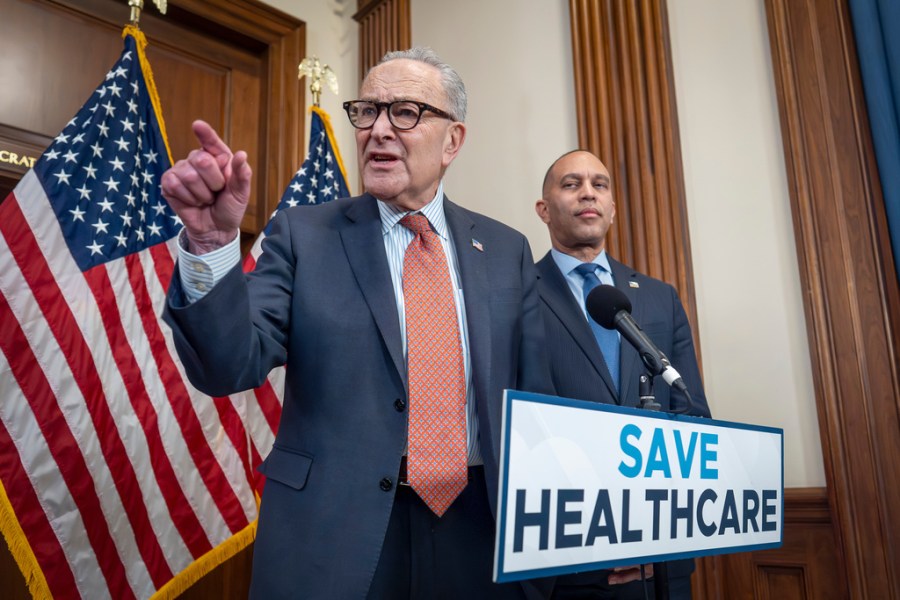
A recent bipartisan effort in the United States Senate resulted in the approval of a Republican bill aimed at extending enhanced tax credits for the Affordable Care Act (ACA). This decision, made after a 43-day government shutdown, saw eight Democratic senators collaborating with their Republican counterparts to ensure that these critical financial aids remain available until at least December 31, 2025.
Despite this legislative progress, the fundamental issue of high health insurance costs and access to affordable care continues to be a significant concern. The enhanced tax credits, which help lower premiums for millions of Americans, were originally set to expire at the end of 2025. The recent vote reflects a growing recognition among lawmakers of the need to provide financial relief to individuals and families struggling with healthcare expenses.
Impact on Health Insurance Costs
The extension of these tax credits is crucial for many Americans who rely on the ACA for health insurance. According to the U.S. Department of Health and Human Services, approximately 13 million people benefit from these subsidies, which have played a vital role in making healthcare more accessible. The enhanced credits have allowed enrollees to save an average of $1,000 annually on their premiums.
While the move is seen as a positive step, critics argue that it does not adequately address the underlying issues driving up healthcare costs. The rising prices of medical services and prescription drugs remain significant barriers to affordable care. Advocates for healthcare reform are calling for comprehensive measures that tackle these core challenges, rather than relying solely on temporary fixes like tax credit extensions.
Bipartisan Collaboration Amidst Political Divisions
The Senate’s recent vote demonstrates an unusual moment of bipartisanship in a politically polarized environment. The eight Democratic senators who crossed party lines highlighted a commitment to prioritizing healthcare access for their constituents. This cooperation is notable, especially considering the ongoing debates surrounding healthcare policy in the United States.
Senator Joe Manchin, one of the Democrats who supported the bill, emphasized the importance of ensuring that families do not face overwhelming financial burdens due to rising healthcare costs. “We need to come together to protect the American people,” he stated.
As the deadline for the current tax credits approaches, lawmakers will likely face increasing pressure to not only extend these aids but also find sustainable solutions to reduce overall healthcare expenses. The momentum from this bipartisan effort could serve as a foundation for future discussions on comprehensive healthcare reform.
In conclusion, while the extension of the enhanced ACA tax credits represents a critical step in providing immediate relief, significant work remains to ensure that health insurance is both affordable and accessible for all Americans. The ongoing dialogue around healthcare reform will be pivotal as lawmakers seek to balance financial assistance with the need for systemic change.