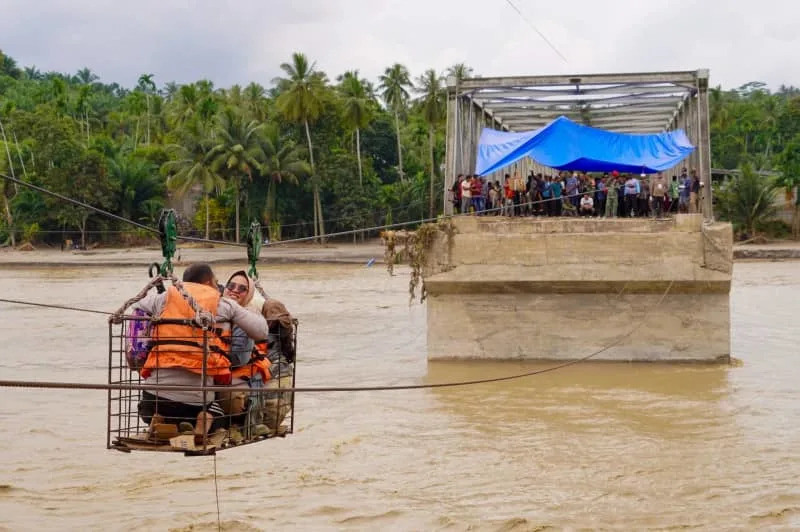
Heavy rainfall has led to devastating floods and landslides on the island of Sumatra, Indonesia, resulting in a tragic death toll of at least 883 people, according to the National Disaster Management Agency (BNPB). As of March 2, 2024, more than 500 individuals remain unaccounted for, compounding the urgency of ongoing rescue efforts.
The catastrophic flooding has affected three provinces: Aceh, North Sumatra, and West Sumatra. The BNPB reports that these regions have experienced days of intense rainfall, which caused rivers to overflow, leading to landslides and extensive destruction of transport infrastructure. Approximately 4,200 people have sustained injuries, with many of those affected residing in rural areas characterized by steep terrain prone to landslides.
Aceh province has recorded the highest fatalities, with 345 confirmed deaths and 174 individuals still missing. In North Sumatra, officials estimate 312 deaths and 133 missing persons. West Sumatra has reported 226 fatalities and 213 individuals unaccounted for. The BNPB cautioned that the number of victims could increase as rescue teams continue to reach isolated communities.
Access to these affected areas has been severely compromised due to numerous damaged bridges and blocked roads. Many villages have been cut off from essential services, including electricity, clean water, and telecommunications, for days on end. The scale of destruction has raised concerns about the long-term implications for the affected regions.
Environmental organizations have pointed to rapid deforestation and hillside development in parts of Sumatra as contributing factors to the severity of the disaster. They argue that the degradation of watersheds has heightened community vulnerability to intense rainfall events.
Indonesia regularly faces floods and landslides during the monsoon season, but experts now suggest that climate change is exacerbating the frequency and intensity of these weather-related disasters across the region. In response to the crisis, the government has mobilized military and police forces, alongside additional disaster-response personnel, to assist in relief efforts in the hardest-hit provinces.
As the situation evolves, local authorities and international aid organizations are working tirelessly to provide support to affected communities, addressing immediate needs while considering longer-term solutions to mitigate future risks.