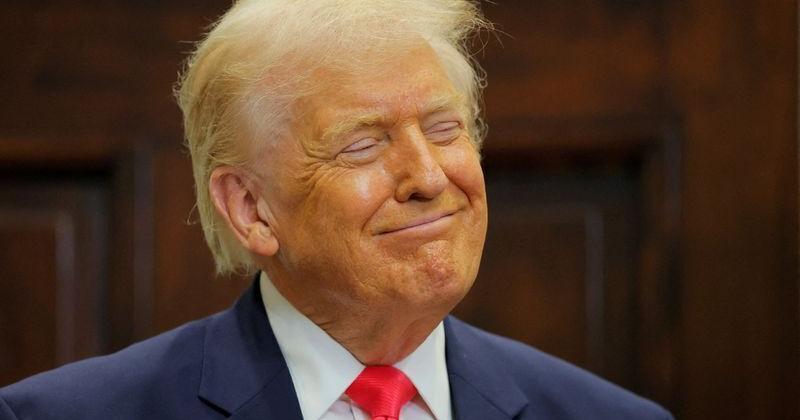
President Donald Trump has announced plans to distribute $2,000 checks to most American households, asserting that the funding will come from the revenues generated by his tariffs on imports. This proposal aims to provide immediate financial relief to families as the economy grapples with the ongoing challenges posed by the COVID-19 pandemic.
The suggestion has sparked discussions among economists about its potential impact and feasibility. Among those weighing in is Claudia Sahm, chief economist at New Century Advisors and a former economist at the Federal Reserve. Sahm, known for developing the Sahm rule, which serves as a recession indicator, highlights both the merits and shortcomings of the proposed checks.
Economic Implications of Tariff-Funded Checks
While the idea of direct payments may provide immediate support to struggling families, Sahm emphasizes that the execution of this plan is crucial. The revenue generated from tariffs, which can fluctuate based on trade policies and international relations, may not be a reliable source of funding for sustained economic assistance.
Tariffs, designed to protect domestic industries, often lead to increased costs for consumers. The potential for rising prices could undermine the benefits of the proposed checks. Sahm argues that without careful planning, these payments may not achieve the intended relief for American households.
According to Sahm, the economic landscape is precarious, and timely, targeted assistance is essential. She points out that while $2,000 payments could alleviate some immediate financial pressures, a comprehensive approach is needed to address the underlying challenges facing the economy.
Concerns About Long-Term Viability
Critics of the proposal raise concerns about the long-term viability of using tariff revenues for direct payments. The revenue from tariffs is inherently uncertain, influenced by factors such as changing trade agreements and global market conditions. Economists warn that relying on such fluctuating income streams could jeopardize the sustainability of financial aid programs.
The timing of this proposal also raises questions. With the economic recovery still uncertain, many Americans have been waiting for more consistent support. Sahm stresses the importance of a well-structured plan that considers both immediate relief and long-term economic stability.
In conclusion, while the idea of sending $2,000 checks to American households has garnered attention, the effectiveness of this approach hinges on careful planning and execution. As discussions continue, the focus will likely remain on developing a balanced strategy that addresses both short-term needs and long-term economic health.