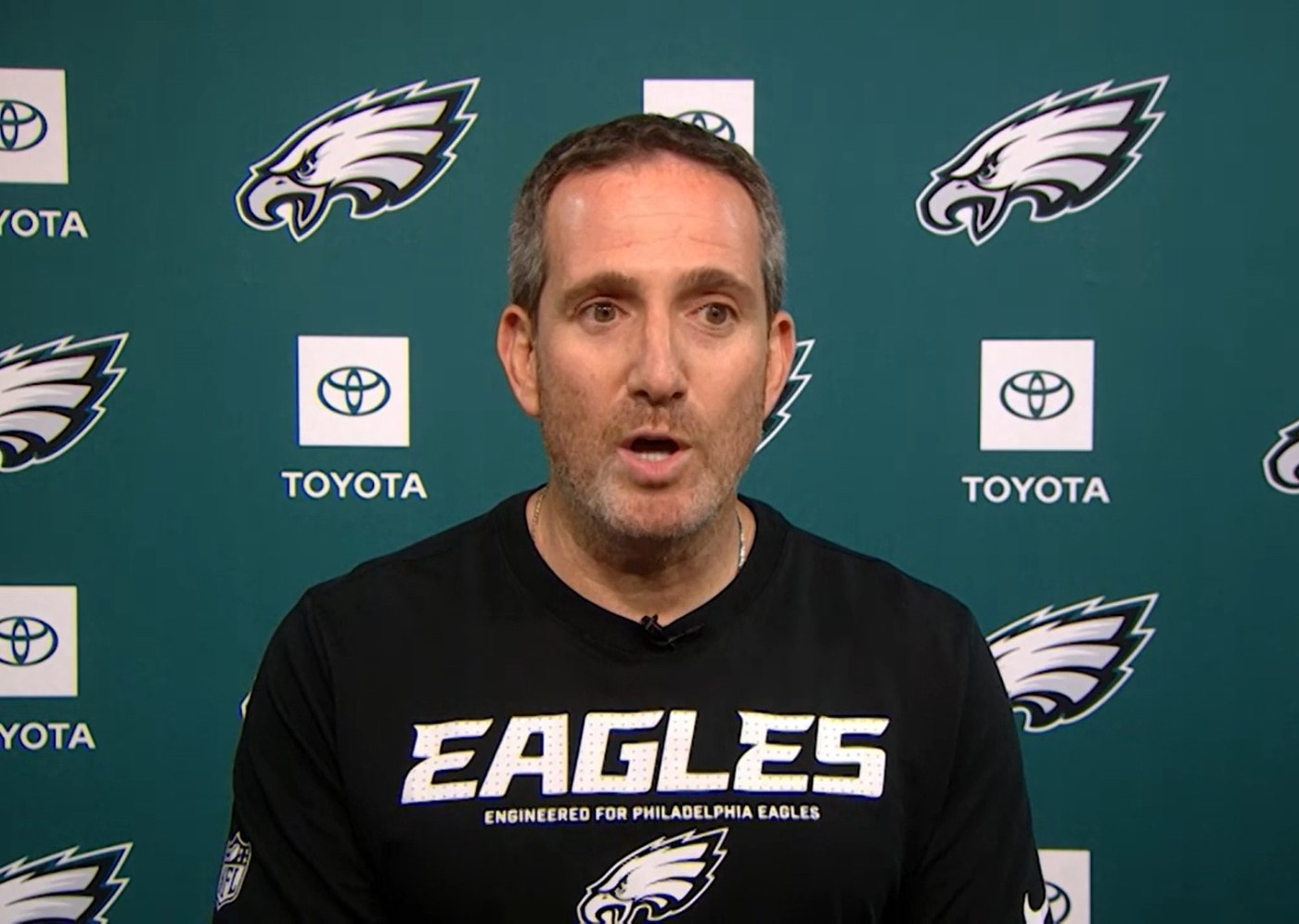
Pennsylvania Governor Josh Shapiro has expressed strong disapproval of former Vice President Kamala Harris’s memoir, titled 107 Days, labeling her characterizations of him as “complete and utter bulls**t.” This revelation came during a discussion with journalist Tim Alberta for a profile in The Atlantic, where Shapiro reacted to claims made in the book that he is overconfident and domineering.
As Shapiro listened to Alberta recount some of Harris’ remarks, he reportedly oscillated between outrage and exasperation. He stated, “I can tell you that her accounts are just blatant lies.” When questioned about feelings of betrayal, Shapiro commented on the memoir’s intent, suggesting it serves as a means for Harris to deflect blame after her unsuccessful campaign. “I mean, she’s trying to sell books and cover her a**,” he said, although he later retracted the phrase, calling it inappropriate.
Shapiro’s Perspective on Democratic Challenges
In the same profile, Shapiro articulated broader concerns regarding the Democratic Party’s approach as it heads towards the 2028 election. He identified a critical disconnect with non-college-educated voters, emphasizing that the party has failed to engage these communities effectively. “Democrats lost ground in some of these communities by failing to show up and failing to treat people with a level of respect that they deserve,” he stated.
Shapiro drew a stark contrast between the rhetoric of former President Donald Trump and his policy actions, which he believes have betrayed many voters in Pennsylvania. Citing cuts to Medicaid, he remarked, “He showed up in these communities, lied to these good people, and then turned around and completely f**ked them over by taking away their health care to pay for a tax cut for people in the highest income brackets who do not need them.”
This critique highlights Shapiro’s belief that the Democratic Party must recalibrate its strategies to reconnect with disaffected voters, especially as the political landscape evolves in the lead-up to future elections.
Shapiro’s insights resonate with many within the Democratic Party who are grappling with the challenges of maintaining support among diverse voter bases. As the party navigates its path forward, his candid reflections on Harris’ memoir and the current political climate underscore the urgency for change and accountability.